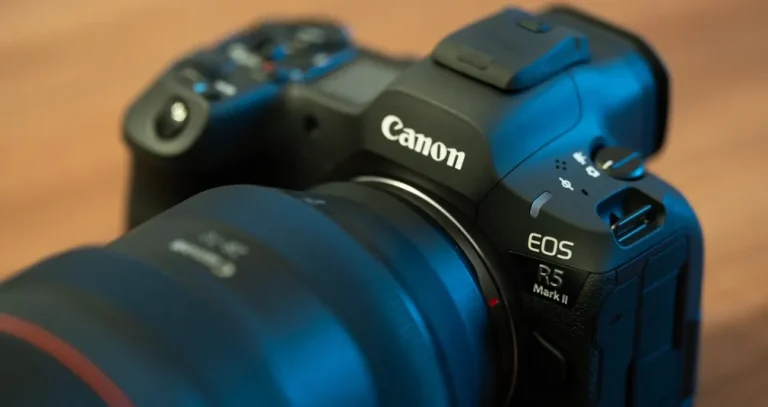
This Nikon Z8 review breaks down the strengths and weaknesses of one of the most talked-about full-frame mirrorless cameras on the market today.
When Nikon unveiled the Z8 in May 2023, many called it a “mini Z9.” Though this fits, the Z8 delivers flagship speed, resolution, and autofocus performance too, all at a more affordable price point.
Built around the same 45.7MP stacked full-frame sensor and EXPEED 7 processor as the Z9, the Z8 targets photographers who need high-end performance without the size and weight of an integrated-grip camera. Whether you shoot wildlife, sports, weddings, portraits, landscapes, or commercial work, the camera delivers capabilities that were previously available only in the brand’s flagship models.
What makes the Z8 particularly impressive is how few compromises Nikon made. It retains the professional autofocus system, advanced subject detection, blackout-free shooting, and impressive burst rates while reducing the body’s size and cost.
Exclusive Tools of Endless Possibilities in One Editor
Key Takeaways
- The Nikon Z8 uses the same 45.7MP stacked sensor and EXPEED 7 processor found in the Z9.
- It can shoot up to 20fps RAW, 30fps full-resolution JPEG, and 120fps in reduced 11MP JPEG mode while maintaining autofocus tracking.
- The autofocus system includes advanced AI subject recognition for people, animals, vehicles, and aircraft.
- Firmware updates have significantly expanded functionality since launch.
- It offers flagship-level performance in a body weighing approximately 910g with battery and card installed.
Overview of the Nikon Z8

The Nikon Z8 mirrorless camera was officially announced on May 10, 2023, and became available later that month. The brand positioned it as a high-performance hybrid camera for professionals and serious enthusiasts.
Its biggest advantage is that it shares core technology with the Z9. Both cameras use a 45.7MP stacked backside-illuminated CMOS sensor and Nikon’s EXPEED 7 image processor. This combination enables extremely fast sensor readout speeds, advanced autofocus calculations, and impressive shooting performance.
Upgrading from a D850 or Z6 II to the Z8 feels right. It has way faster autofocus, better subject detection, and a boosted moving up from the D850 or Z6 II to the Z8 is pretty smooth. It’s got much faster autofocus, better subject detection, and its burst performance is top-notch. Also, its video capabilities are way more advanced. At launch, the body-only price tag was $3,999.95, sitting it below the Z9 but still solidly in the pro range.
Design and Build Quality

The Z8 finds a great balance between portability and durability. Nikon made it with a magnesium alloy frame and advanced composite materials. So the body feels very solid but isn’t too heavy.
This camera is around 144 x 118.5 x 83mm and weighs roughly 910g with the battery and memory card included. It’s noticeably smaller than the Z9 but still feels pro-grade in your hands. The grip is comfy, even with large telephoto lenses. You can attach them without issues. Plus, the controls are laid out in a smart way. So, you can adjust settings on the go without taking your eye off the viewfinder.
Weather sealing is another major strength. Nikon states that the Z8 offers dust and moisture resistance comparable to the highly respected D850 DSLR. This makes it suitable for demanding outdoor environments. Photographers working with large RAW files may also benefit from using software to upscale image files when preparing large-format prints, especially for commercial or exhibition work.
Your AI-Powered Photo Editor for MacOS and Windows
Key Features and Specifications

The Z8’s hardware is among the most impressive in the mirrorless market.
Here are the most important specifications.
| Feature | Nikon Z8 |
| Sensor | 45.7MP Full-Frame Stacked BSI CMOS |
| Processor | EXPEED 7 |
| ISO Range | 64-25,600 (expandable) |
| Continuous Shooting | 20fps RAW |
| JPEG Burst Rate | 30fps (full-res) / 120fps (11MP) |
| Autofocus Points | 493 |
| Stabilization | 5-axis IBIS |
| Video | 8K 60p N-RAW |
| Storage | 1× CFexpress Type B + 1× SD (UHS-II) |
| Battery | EN-EL15c |
Among its standout features are blackout-free shooting, pre-release capture, subject recognition autofocus, pixel-shift shooting, and professional-level video recording options. The camera also eliminates the mechanical shutter entirely, relying on the fast stacked sensor for electronic shutter operation.
The published specs demonstrate how closely the Z8 matches the Z9 despite its smaller body. For many photographers, there is little practical difference between the two cameras outside battery capacity and integrated grip design.
Image and Autofocus Performance

This is where the camera truly shines.
The Nikon Z8 image quality is exceptional across nearly every shooting scenario. The 45.7MP sensor grabs tons of detail, perfect for commercial, landscape, wildlife, and studio photography. Photos come out super sharp and give you plenty of room to edit them, too.
The Nikon Z8 has an amazing dynamic range, particularly at lower ISOs. This makes it easy to preserve both shadows and highlights. So, landscape and architecture photographers will enjoy the extra flexibility when editing RAW files.
Autofocus performance is equally impressive. The Z8 uses the brand’s advanced hybrid autofocus system with 493 phase-detection points and sophisticated AI-powered subject recognition. It can detect:
- Human eyes, faces, heads, and bodies
- Birds
- Cats and dogs
- Cars
- Motorcycles
- Trains
- Aircraft
- Bicycles
Bird photographers will appreciate just how well the autofocus performs. Nikon has continued to improve tracking through firmware updates, helping the camera stay locked onto fast and unpredictable subjects.
Many professionals focused on Nikon Z8 photography report that the camera delivers one of the most reliable autofocus systems the company has ever produced. The combination of subject recognition and rapid sensor readout creates a shooting experience that feels exceptionally responsive. Photographers who enjoy creative post-processing can also experiment with a film filter workflow to give digital images a more classic analog appearance.
Battery Life and Storage Options

The Z8 runs on Nikon’s EN-EL15c battery, which is used in a bunch of the company’s mirrorless and DSLR cameras. It has a shorter official battery life rating than the Z9, due to its smaller battery. Yet, the actual performance tends to beat those stats. Many photographers find that a full shooting day is entirely doable with just one or two extra batteries on hand.
For extended sessions, Nikon offers the MB-N12 battery grip, which holds two EN-EL15-series batteries and significantly extends shooting time. Storage options are equally professional.
The Z8 includes two card slots: one CFexpress Type B (or XQD) and one SD (UHS-II). The CFexpress slot provides the speed necessary for:
- 20fps RAW shooting
- 8K video recording
- Large buffer clearing
- High-volume sports photography
Though CFexpress cards cost more than SD cards, the performance perks make it worth it for serious users. For those who just want a simple workflow post-import, a modern basic photo editor can handle both RAW and JPEG files from cameras, thanks to wide software support.
Elevate Your Photography with Our Advanced Software
Firmware Updates and Long-Term Reliability
One area where Nikon deserves considerable credit is firmware support. Since the camera’s release date, the brand has introduced major updates that significantly expanded functionality rather than simply fixing bugs.
Firmware version 2.0 introduced several major additions, including:
- Pixel Shift shooting
- Dedicated bird detection
- Auto Capture functionality
- Expanded pre-release capture capabilities
- Improved zoom options
- Additional video features
These updates demonstrate Nikon’s commitment to long-term platform development. Reliability has also been excellent overall. The Z8 benefits from its mature Z-mount ecosystem and shares many technologies with the extensively tested Z9 platform.
Pros and Cons of the Nikon Z8

While its performance is exceptional in most areas, there are still a few limitations that buyers should consider before investing in the system.
Pros
- Outstanding 45.7MP stacked sensor
- Excellent autofocus performance
- Industry-leading subject recognition
- Exceptional burst shooting capabilities
- Professional weather sealing
- Strong dynamic range performance
- Extensive firmware support
- Smaller and lighter than the Z9
- Dual memory card slots (CFexpress Type B + SD UHS-II)
- Advanced video capabilities
Cons
- Premium purchase cost
- CFexpress cards for the primary slot add expense
- Shorter battery endurance than the Z9
- Large RAW files require significant storage
- No integrated vertical grip
Is the Nikon Z8 Worth It?

The Nikon Z8 is one of the most complete mirrorless cameras currently available. It delivers flagship-level performance in a more compact, affordable package than the Z9. The combination of high resolution, advanced autofocus, fast burst shooting, professional video tools, and ongoing firmware improvements makes it an outstanding choice for serious photographers. Whether you shoot wildlife, sports, weddings, portraits, or landscapes, the Z8 offers a level of versatility and performance that few competitors can match.