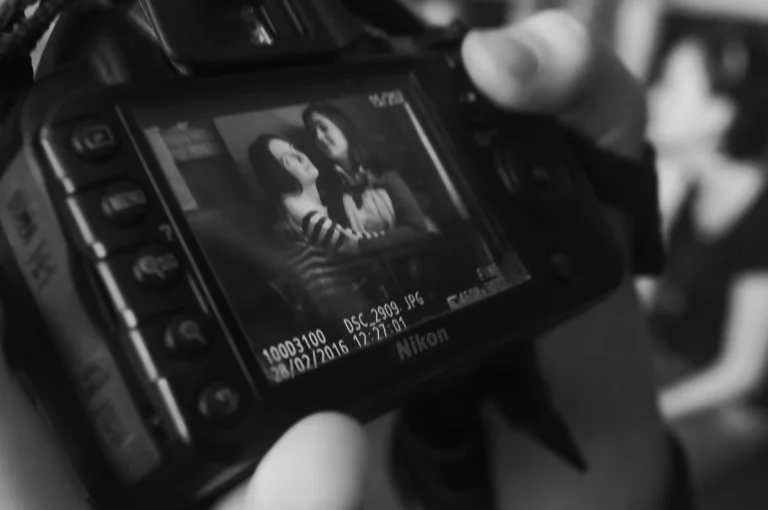
Great photographers know that texture in photography does far more than add detail. It creates mood, strengthens composition, and helps viewers experience an image beyond the visual level.
Some pictures are so realistic that you can almost feel the surfaces without ever touching them. You can practically sense the roughness of old stone or the softness of fabric. That is what texture is all about in photography. It adds depth, atmosphere, and emotion that make an image feel much more alive and immersive.
Exclusive Tools of Endless Possibilities in One Editor
Key Takeaways
- Surface detail helps photos feel more real and dimensional instead of flat, adding depth and a stronger sense of presence to an image.
- The way light hits a subject plays the biggest role in how much texture appears in a photo, either revealing every detail or smoothing surfaces out.
- Different textures naturally create different emotions, with rough surfaces often feeling stronger and more dramatic while smoother ones feel softer and calmer.
- When photographers make the main focus a detail rather than just a background element, even simple subjects can become visually striking and full of character.
- Post-processing tools can both enhance naturally captured surface detail and introduce stylistic grain to reinforce a photograph’s mood.
What Texture Actually Means in Photography

Before exploring how texture works, it helps to get clear on what it is. The definition of texture in photography refers to the visual representation of surface quality, the way light interacts with a surface to reveal patterns of roughness, smoothness, softness, or irregularity. It is not the surface itself, of course, but the photographic illusion of it. Well-captured surface detail makes a viewer’s brain simulate touch, which is a remarkable trick for a medium that exists entirely in the visual realm.
Texture in this sense is distinct from pattern, though the two are often paired. A pattern repeats in a predictable, orderly way. Surface detail is more organic; it describes variation in a surface rather than repetition of a motif. The scales of a fish, the grain of aged wood, the pitted surface of a concrete wall: all are textures. All invite the eye to slow down and explore.
The Emotional Language of Texture
Texture is not just a technical consideration; it carries genuine emotional meaning. This is what makes textured photography so effective across genres, from editorial portraiture to landscape and street photography. Rough surfaces usually make a photo feel raw, strong, and full of character. Things like worn hands, cracked walls, or peeling paint often tell a story of time and experience. Softer ones, on the other hand, create a calmer and gentler feeling, like still water, smooth stone, or soft skin.
Photos with mossy rocks, forest paths, or worn wood often feel calm and comforting, almost like you can smell the fresh air around them. Meanwhile, rusted metal, cracked concrete, or scratched asphalt gives a photo a much rougher, heavier feeling. Texture works in a subtle way, but it often shapes the mood of an image before people even focus on what they are actually looking at.
Elevate Your Photography with Our Advanced Software
The Different Types of Texture Photographers Work With
Understanding the types of texture in photography helps you approach any scene with more intention. In general, photographic surface qualities can be divided into several categories:
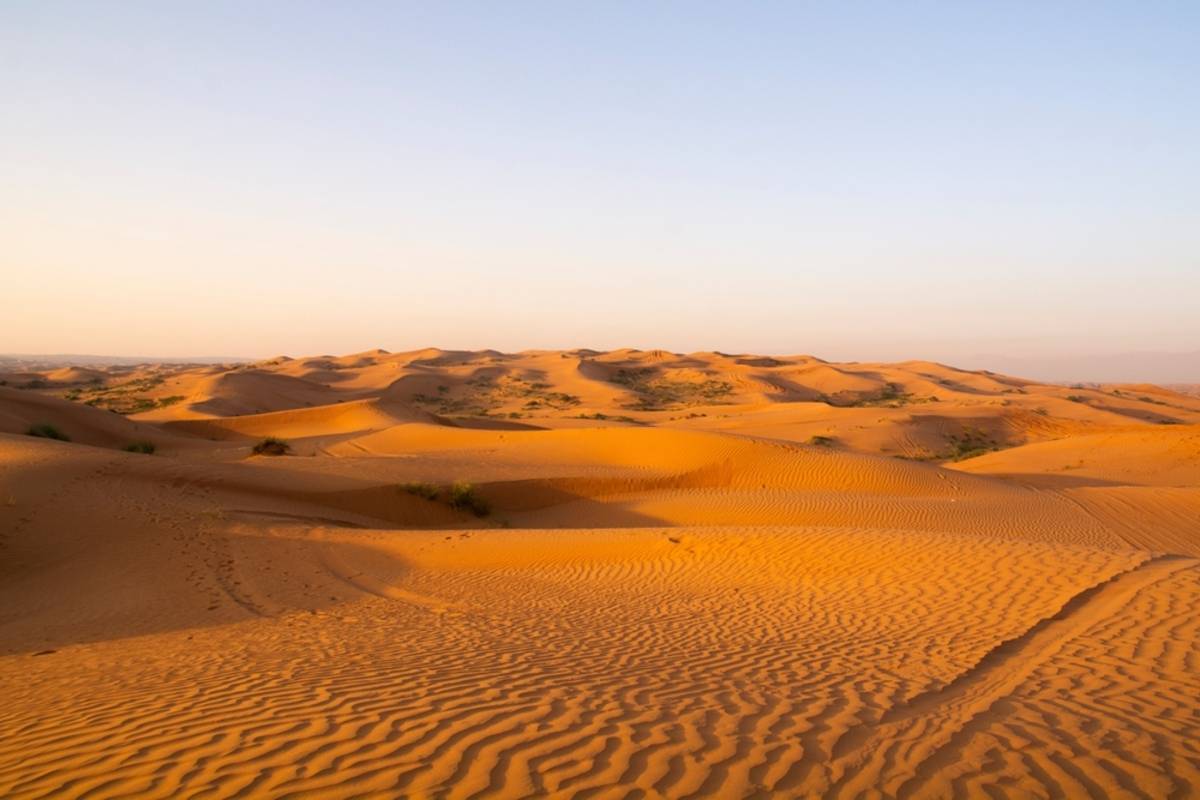
- Natural textures come from the organic world, such as rock faces, tree bark, sand dunes, animal coats, and plant surfaces. These ones tend to have irregular, non-repeating qualities that feel alive and unpredictable.
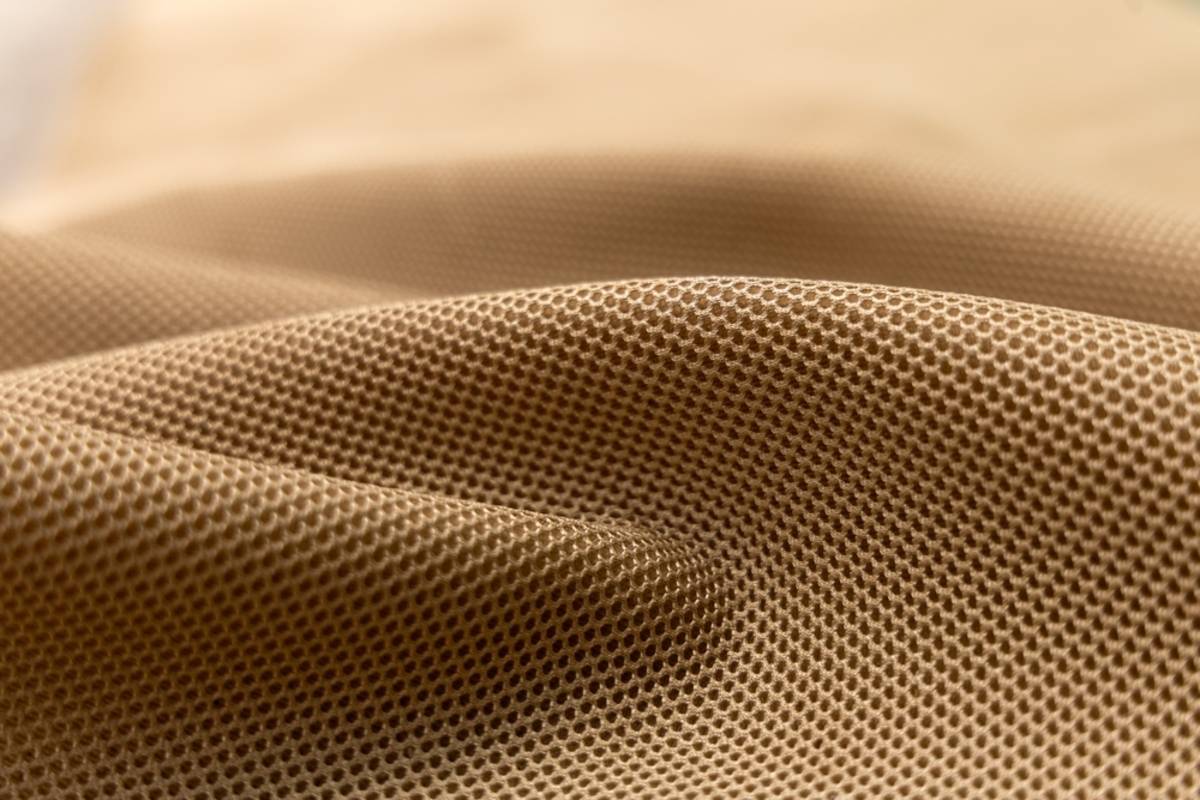
- Man-made textures come from human construction brickwork, fabric weaves, paint layers, rusted metal, and aged paper. These often carry historical or cultural weight alongside their visual character.
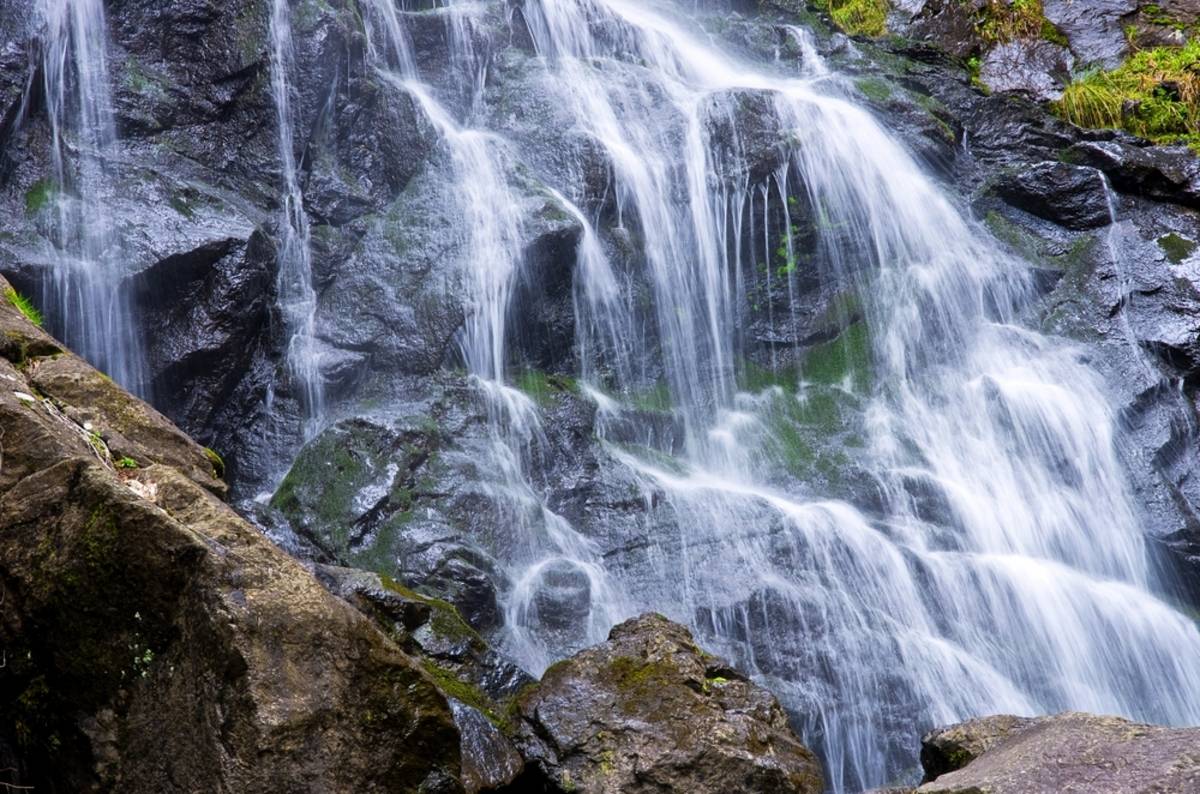
- Implied or abstract textures are ones that are suggested rather than literally present the visual noise of a long-exposure waterfall, the softness implied by out-of-focus bokeh, or the grain introduced deliberately in post-production. These are no less real in their effect on the viewer.


Why Texture Deserves More Attention
So why is texture important in photography? It is one of the main ways an image conveys a sense of realism. Our sense of touch is intimately connected with our perceptions. Researchers in the field of multisensory perception have found that when viewing an image with a surface detail, the part of the brain dedicated to processing touch stimuli lights up. A photo that captures these tactile details does more than show a scene. It can also bring back memories of surfaces and materials people have physically felt before.
Texture helps a photo feel less flat and more alive. It gives your eyes little details to explore, making the image feel real, natural, and grounded rather than too clean or empty.
Making Texture the Focal Point

Most of the time, texture works subtly in a photo, adding depth and mood without dominating the frame. In close-up and macro photography, though, small details like rust, cracked paint, or moss often become the subject itself.
Examples of texture in photography used as the main subject often appear in fine art and commercial contexts alike. Advertising for skincare, food, and fabrics relies heavily on texture to communicate product qualities. Fine art photographers have built entire bodies of work around single materials, sand, skin, water, and explored purely through their surface character.
When texture is the main focus of a photo, it helps to keep the composition simple so nothing distracts from the surface details. Filling the frame and controlling depth of field will naturally draw attention to the material and its patterns.
Techniques That Bring Texture to Life
Light direction can determine the way in which the texture is depicted in a photograph. Light on the side at sunrise or sunset brings out small features and textures, whereas softer lighting when there are clouds in the sky makes it look smoother. Front lighting tends to flatten textures because it removes most shadows, whereas backlighting can highlight edges and create a more dramatic or atmospheric effect. Even small changes in light angle can make the same surface look rough, soft, sharp, or almost completely flat.
Beyond light, Structure AI is another useful tool for enhancing fine detail naturally.

It increases midtone contrast and surface character without creating the harsh halos that traditional clarity adjustments often introduce. Because it can separate sharp details from smoother areas, it works especially well for landscapes and architecture.
Your Go-To in Professional Photo Retouching
Practical Tips for Capturing Texture in the Field

A few habits will consistently improve how you capture texture.
- Shoot at the right time of day. For outdoor photography, the best raking light will occur during the first hour and the last hour of daylight. For indoor photography or other controlled environments, place your light source off-center to the side of the subject, not straight ahead.
- Use a tripod when possible. Since clear surface pictures often require a narrow aperture to keep most of the picture in sharp focus, slow shutter speeds are necessary, which in turn require a tripod.
- Experiment with black and white. Removing color forces the viewer’s attention onto form and texture. Many photographers find that textured subjects are far more powerful in monochrome because there is nothing else competing for attention.
- Embrace film grain intentionally. Although modern cameras can produce very clear images, there are instances where clarity detracts from the photo’s atmosphere. Adding light film grain to an image can bring out the imperfections and give the picture a more realistic look.
- Get close, then get closer. The human eye tends to stop short of what is actually interesting about a textured surface. Push past your initial instinct and move in until the texture fills your entire frame.
Bringing It All Together

This texture definition photography experts use goes far beyond simply describing surface roughness. It also includes the way light interacts with surfaces and how those details shape the mood and feeling of an image. Once you understand how to work with texture intentionally, it becomes one of the most emotionally powerful tools in photography.
This is the feature that has people leaning in to look closer, pausing to appreciate an image, and at its best, feeling a photograph as much as seeing it. Look at the surfaces that surround you. See how light transforms their character. Then apply this knowledge to your photographs.