Find a high-quality mirrorless camera that fits your budget. We review the best affordable models on the market and compare their specs, autofocus, and lens setups.
You’re planning to buy a camera for a beginner photographer’s birthday and have decided to do it on your own. In reality, trying to pick the right model yourself isn’t the best solution. The easiest thing to do is to give a gift certificate to a camera store or go pick one out together, since ergonomics (how the camera feels in your hand) and the menu system are very subjective matters. In this article, we’ll take a look at the best cheap mirrorless camera that won’t break the bank for you and your birthday celebrants.
Don’t feel like reading the whole breakdown? We’ve pulled together a quick summary below.
Key Takeaways
- Pick the right sensor format: For budget setups, APS-C and Micro 4/3 are the most practical choices. APS-C excels in low light and background blur.
- Prioritize modern autofocus and IBIS: Look for cameras featuring phase-detection autofocus and eye tracking to keep your subjects sharp. In-body image stabilization (IBIS) is a huge plus for handheld shooting and video recording.
- Calculate the lens ecosystem cost: A cheap camera body is useless if the lenses are too expensive. Sony E-mount and Panasonic/Olympus Micro 4/3 systems offer a wide selection of budget-friendly third-party optics like Sigma or Tamron.
- Mirrorless over DSLR: While older DSLRs save money upfront and have great battery life, modern mirrorless systems provide electronic viewfinders, superior video specs, and much faster autofocus.
- Edit to recover details: Entry-level sensors often have a narrower dynamic range. Processing your files through AI-driven software like Skylum Luminar helps recover lost details in shadows and automates tasks like sky replacement.
Top Affordable Mirrorless Cameras for Beginners
Making the switch from a smartphone or an outdated DSLR to a modern mirrorless system in 2026 no longer requires a massive investment. For a beginner, the key is to find a balance between intuitive controls, precise autofocus, and the ability to gradually add lenses to suit your specific needs.
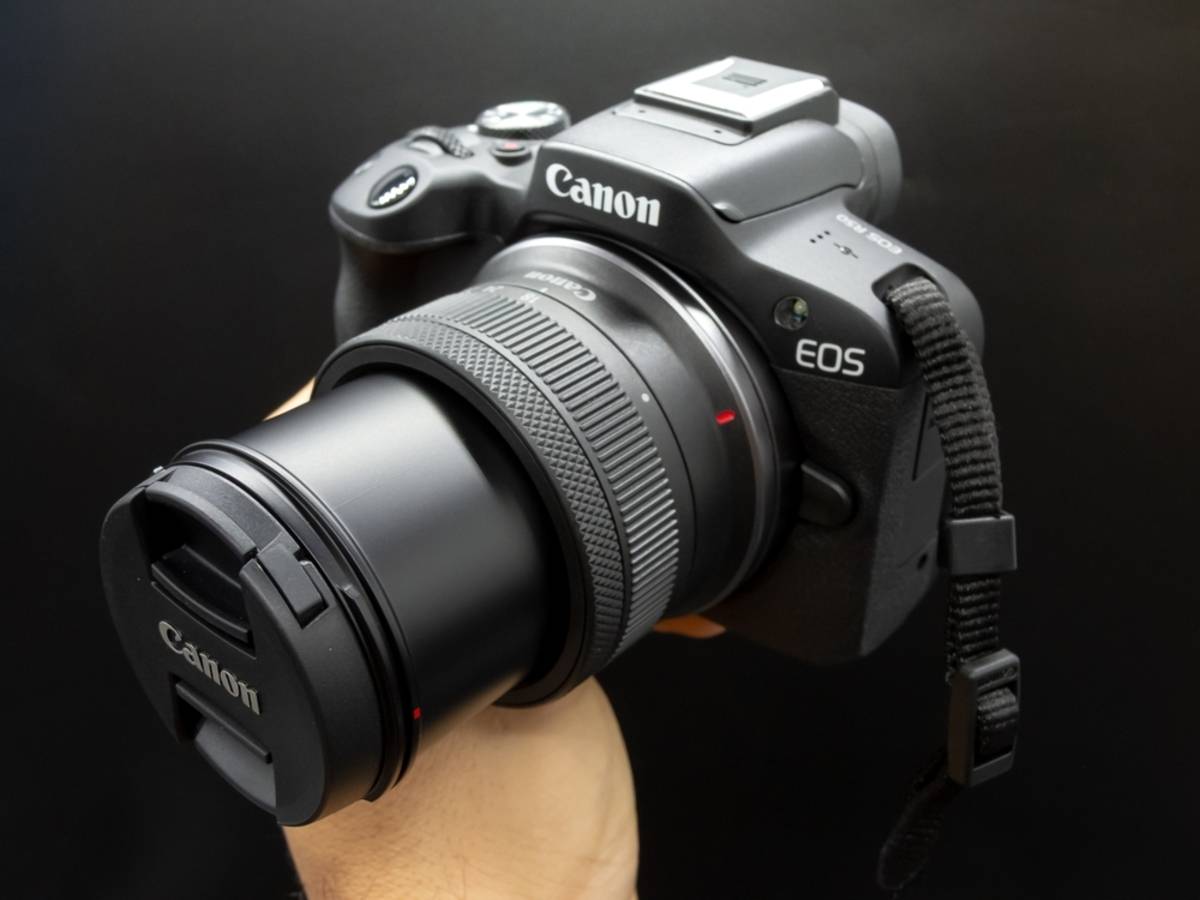
- The Canon EOS R50 offers the best blend of photo and video capabilities. It features advanced autofocus with face and eye detection, a user-friendly interface with on-screen prompts for beginners, and high-quality 4K video without cropping.
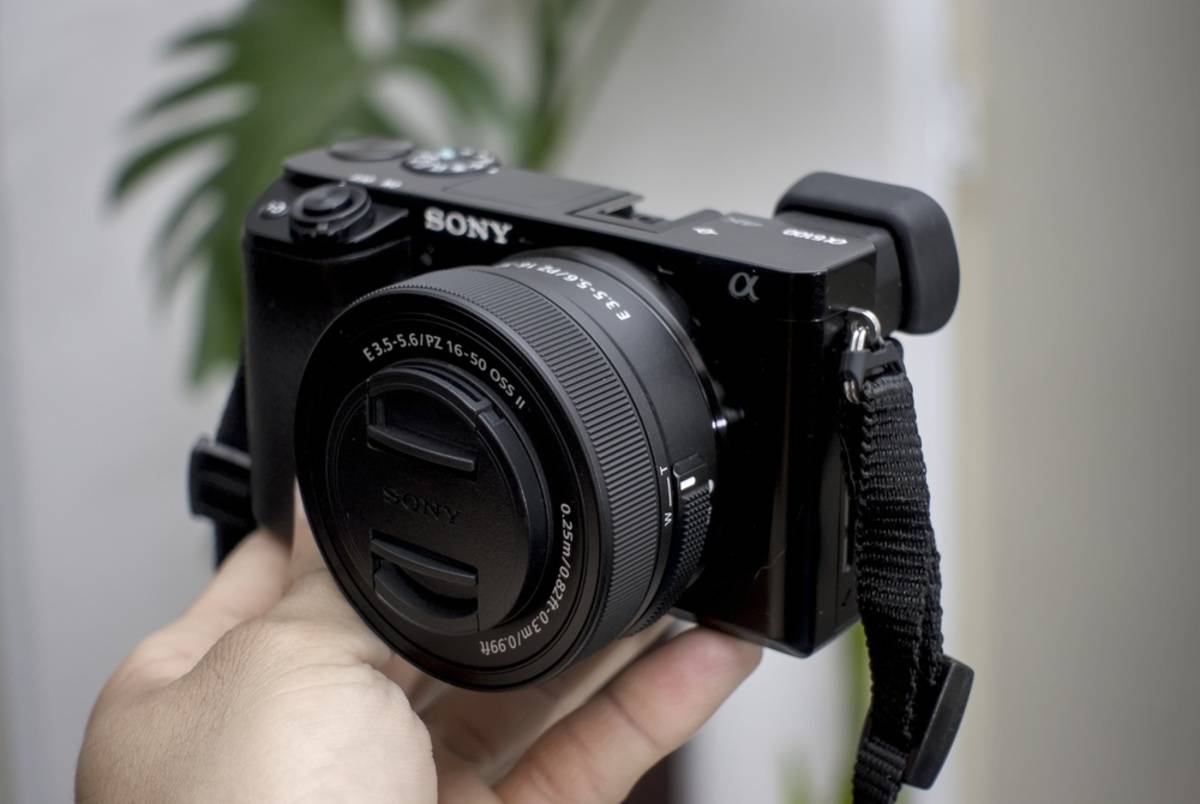
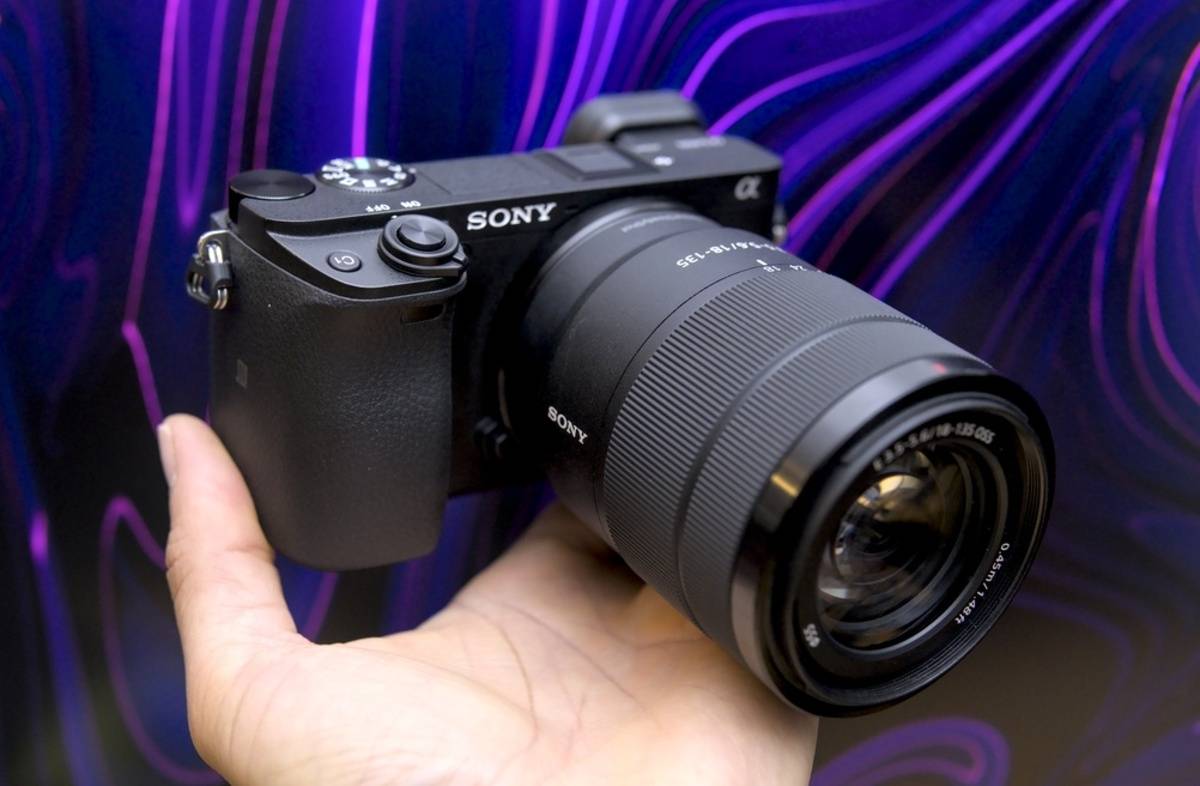
- Sony A6100. The choice for dynamic shooting. Its main advantage is reliable real-time autofocus and a huge selection of affordable third-party lenses (Sigma, Tamron, Viltrox).
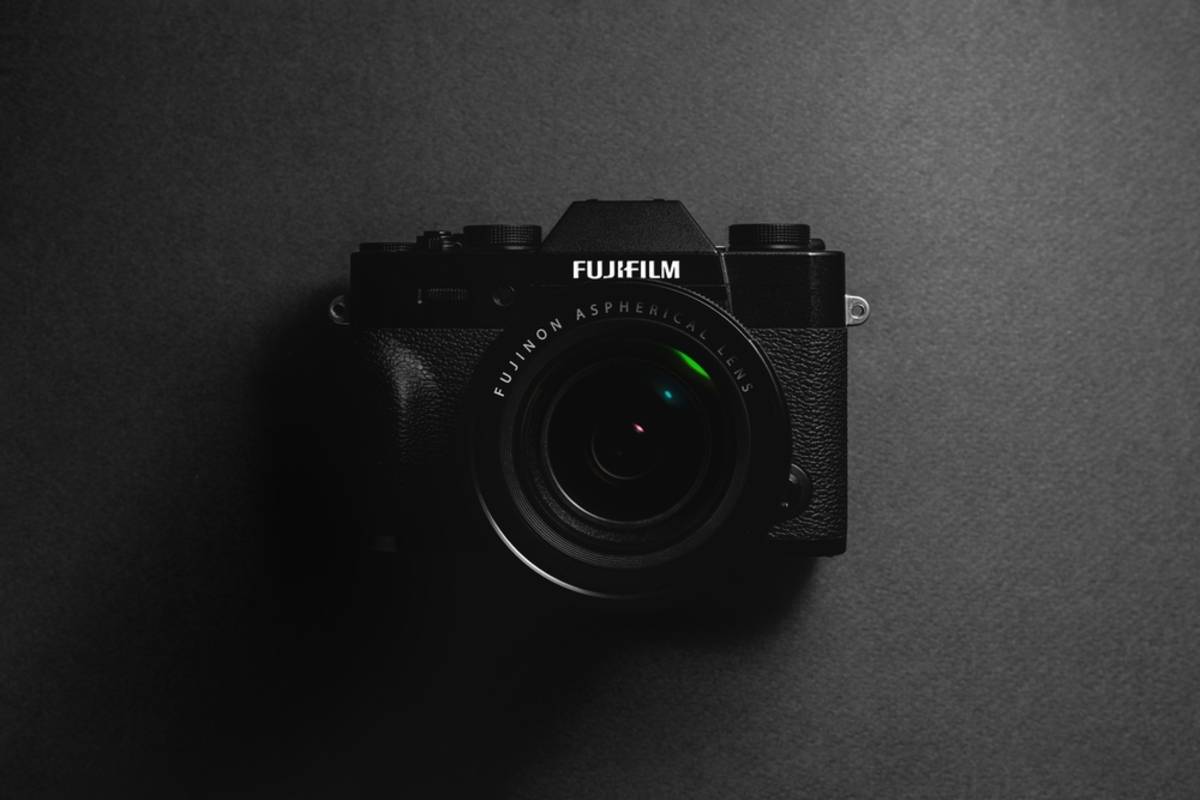
- The Fujifilm X-T30 II (or the newer X-M5) offers stunning aesthetics and perfect color straight out of the camera. The main advantage of this system lies in its proprietary Film Simulations and APS-C sensors.


If you’re looking for the absolute lowest-cost option on the used market, the Sony A6000 is still considered a time-tested choice—it’s truly the cheapest mirrorless camera with a large APS-C sensor and interchangeable lenses, and it still delivers excellent image quality for the price.
Key Features to Look for in Budget Mirrorless Cameras
Best value mirrorless cameras on the market are equipped with APS-C or Micro 4/3 sensors. The former is better at blurring the background and performs better in low light. Micro 4/3 enables the most compact camera and lens designs. To avoid overpaying for unnecessary marketing gimmicks, focus on the key features that truly impact image quality and ease of use.
Exclusive Tools of Endless Possibilities in One Editor
Video Capabilities and Signal Output
For content creation, make sure the camera supports 4K video without noticeable cropping and has an external microphone input. If you plan to use the camera for live streams, online classes, or outputting video to external monitors and older displays, you’ll need a reliable HD converter that can seamlessly adapt the video signal.
Availability of a Lens Ecosystem
Pay attention to the cost of lenses. The Sony E-mount and Micro 4/3 systems offer the widest selection of third-party lenses (Sigma, Tamron, Viltrox, TTArtisan), which will considerably reduce your expenses in the future.
Best Mirrorless Cameras from Canon under $1500
Canon’s current EOS R lineup lets you stay within this budget, offering a choice between top-of-the-line crop-sensor (APS-C) models and an entry-level option into the world of full-frame cameras.
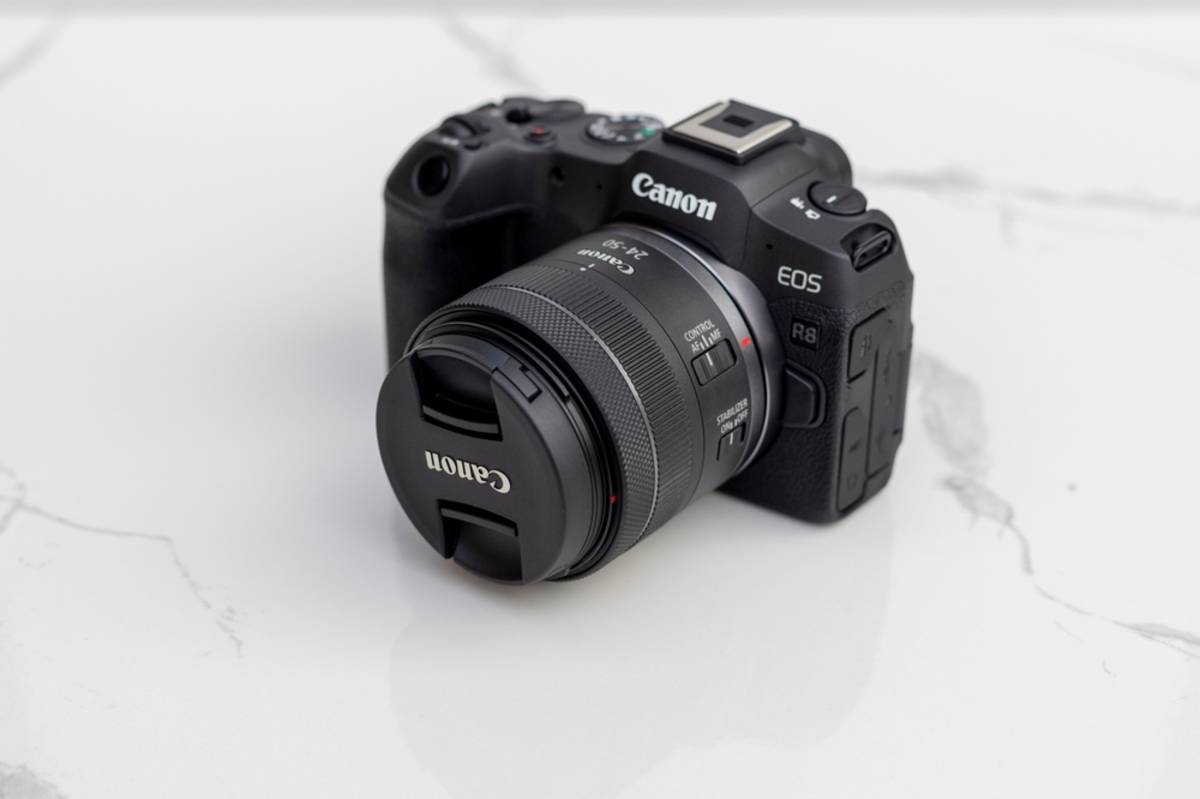
- Canon EOS R8 (Full Frame). This camera features a 24.2 MP sensor and the flagship autofocus system from the much more expensive R6 Mark II. It’s great for portrait photography and shooting in low light due to its large sensor. A smaller battery and no IBIS.
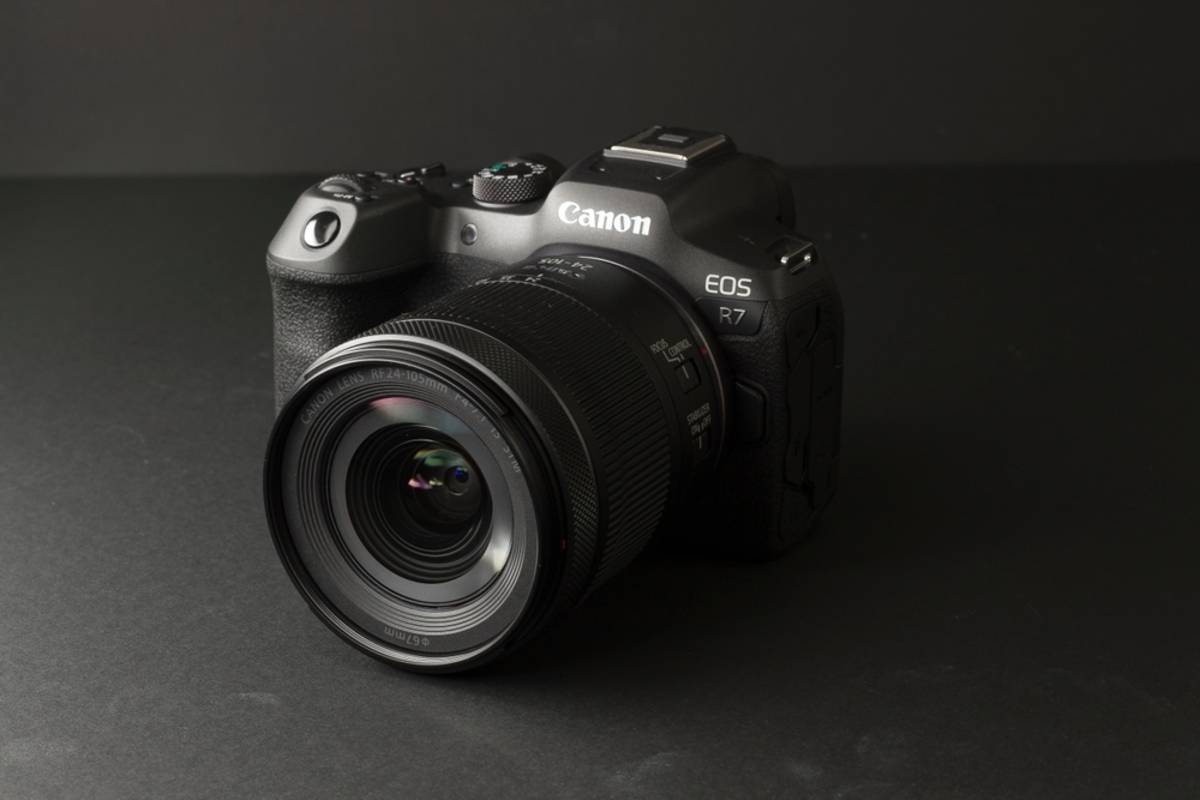
- Canon EOS R7 (APS-C). Flagship 32.5 MP crop-sensor camera. It offers in-body image stabilization (IBIS), two SD card slots, weather sealing, and a continuous shooting speed of up to 15 fps. Nice device for shooting sports, wildlife, and fast-paced events.
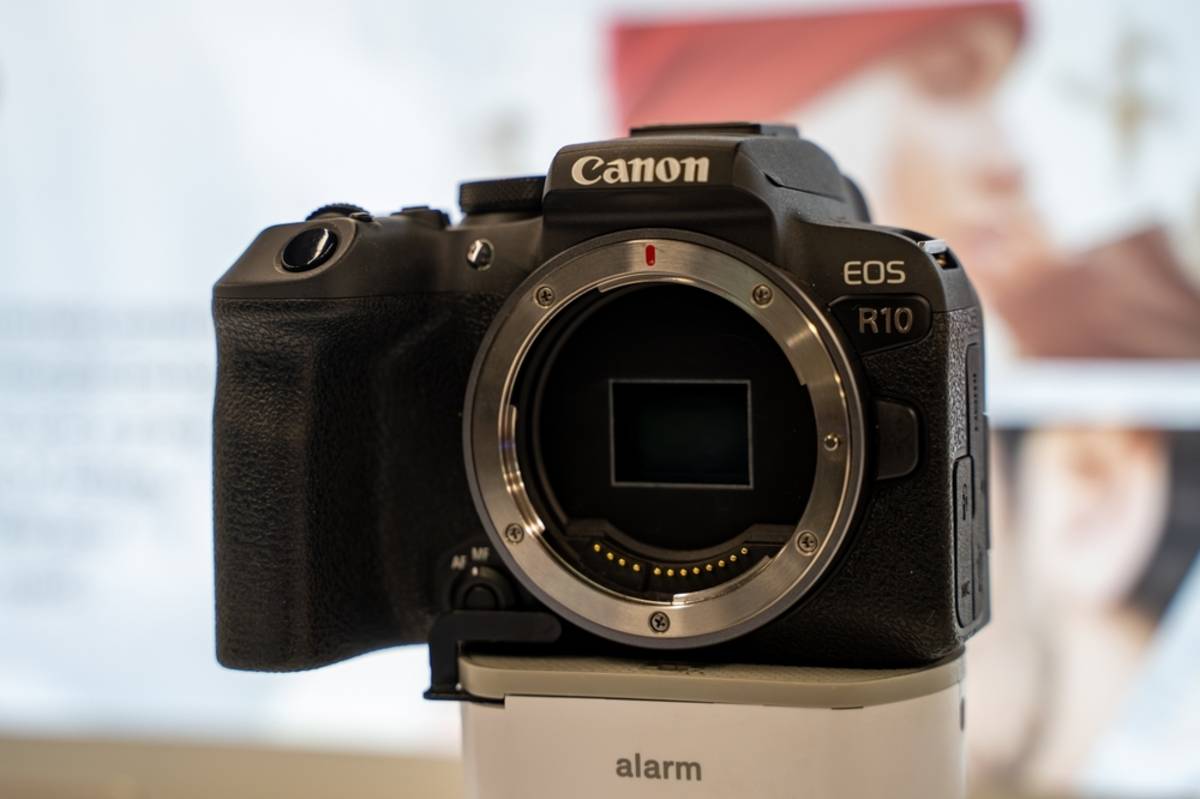
- The Canon EOS R10 (APS-C). The smartest budget friendly mirrorless camera choice. It’s a compact and lightweight camera with excellent autofocus. By choosing this model, you’ll save about $500–$600 from your budget to invest in a high-quality, fast lens. It often produces better final results than an expensive camera body paired with cheap optics.


To optimize their workflow and avoid spending hours on manual color correction, many photographers are switching to AI-powered editing software. For example, for fast editing of raster graphics, you can use the software Luminar pricing to save time when preparing commercial or family photo shoots.
Nikon Mirrorless Cameras Offering Great Value
The Japanese brand Nikon has created a convenient and well-designed Z-mount ecosystem. The mirrorless cameras in this series offer an ergonomic grip, solid build quality, and not bad dynamic range.
| Model | Sensor format | Main advantage | Primary use |
| Nikon Z30 | APS-C (20.9 MP) | Compactness and video convenience | Vlogs, social media, every day shooting |
| Nikon Z50 | APS-C (20.9 MP) | Built-in OLED viewfinder | Amateur photography, travel |
| Nikon Z5 | Full Frame (24.3 MP) | In-body stabilization and dual SD slots | Portraits, nature, studio work |
To fully bring out details in the shadows and highlights of Nikon images (NEF format), it’s recommended to use specialized editing software. For example, Skylum Luminar helps you quickly reveal details and adjust colors. This automates routine tasks when processing large batches of photos.
Elevate Your Photography with Our Advanced Software
Sony Mirrorless Models Suitable for Budget Buyers
The Sony E-mount lineup offers a wide selection of mounts and lenses from third-party manufacturers (Sigma, Tamron, Viltrox, Samyang). You can put together a functional kit without breaking the bank.
- Sony A6100—fast phase-detection autofocus with eye tracking;
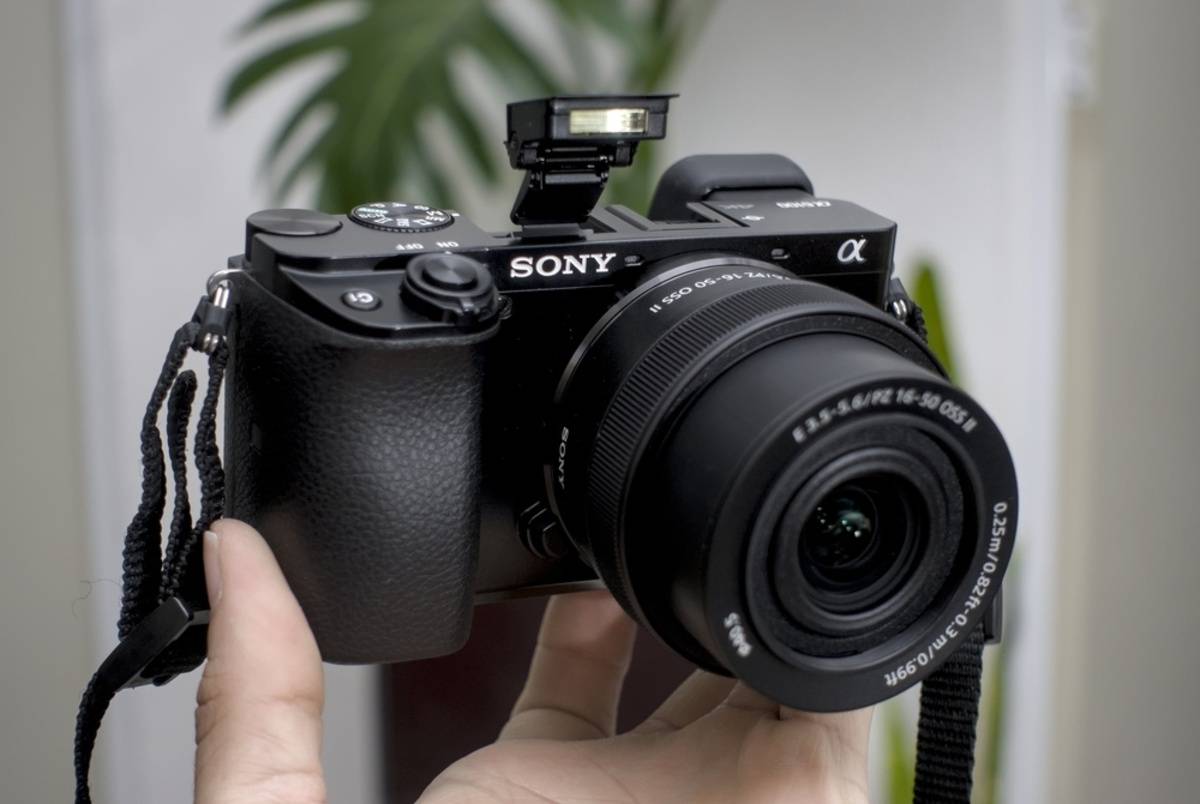
- Sony A6400—active shooting outdoors or while traveling;
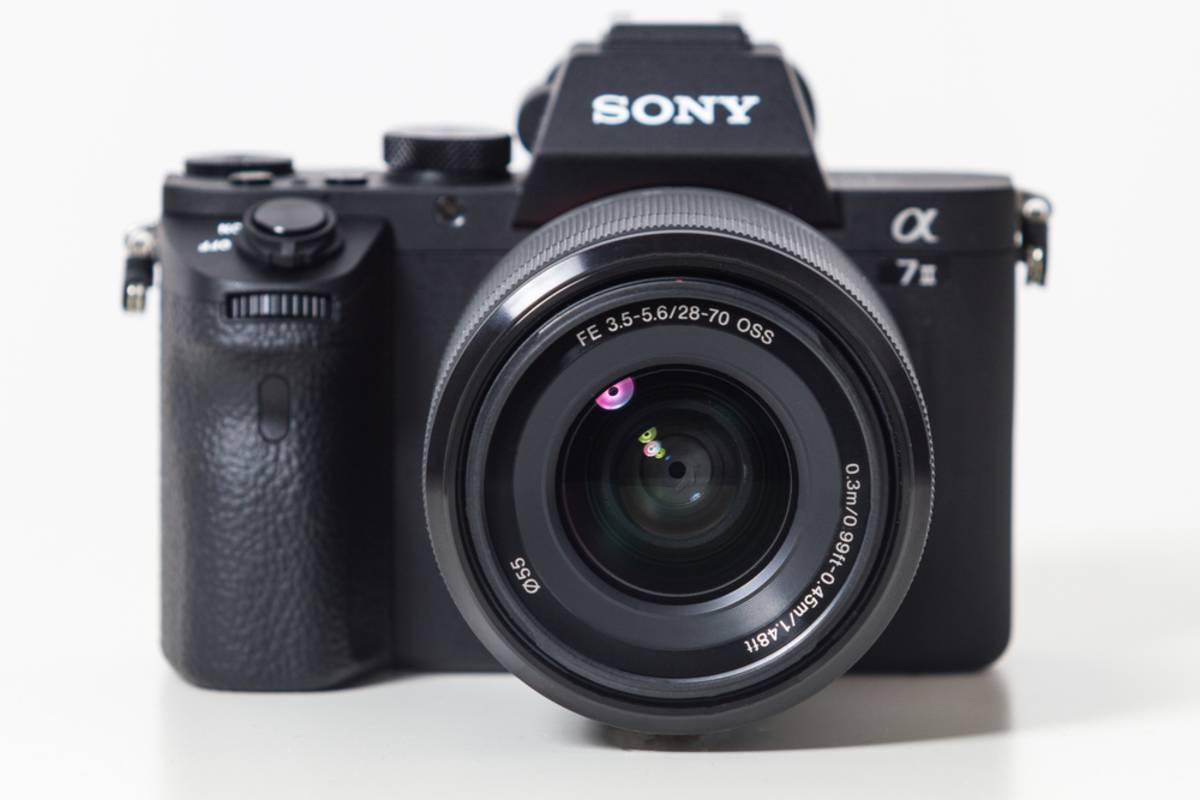
- Sony A7 II (used or refurbished)—affordable option for those looking to switch to full-frame.


Instead of complex manual masking in graphics editors, object recognition algorithms are now widely used for working with backgrounds. In particular, professionals are looking for tools, such as Sky AI, that automatically detect the horizon line, apply a different cloud texture, and adjust the lighting of the entire shoot accordingly.
Fujifilm and Panasonic Mirrorless Options for Budget Shoppers
Two models take fundamentally different approaches to the budget segment. Fujifilm focuses on design, classic ergonomics, and proprietary color profiles. Panasonic, on the other hand, emphasizes video recording, image stabilization, and the ecosystem of affordable Micro 4/3 lenses.
| Model | Sensor format | Stabilization (IBIS) | Primary use |
| Fujifilm X-M5 | APS-C (26.1 MP) | No | Vlogs, social media, everyday photos |
| Fujifilm X-T30 II | APS-C (26.1 MP) | No | Artistic and street photography |
| Panasonic Lumix GX85 | Micro 4/3 (16 MP) | Yes | Travel, urban shooting |
| Panasonic Lumix G85 | Micro 4/3 (16 MP) | Yes | Video recording, outdoor work |
If you plan to shoot a lot of video on the go and are looking for the most affordable lenses, Panasonic’s Micro 4/3 system will meet those needs thanks to its powerful in-body image stabilization. Fujifilm models, on the other hand, are better suited for those who focus on photography and want to capture stylish shots with accurate colors and tones.
Comparing Mirrorless Cameras vs DSLRs for Budget Photographers

The used equipment market offers two options for photographers on a limited budget. Choose a modern mirrorless system or opt for a classic DSLR. Both options have their pros and cons.
DSLR
DSLRs are slowly becoming a thing of the past, although this makes them a cost-effective option for beginners. Used models like the Canon EOS Rebel T7 or Nikon D3500 are cheaper than their mirrorless counterparts.
Consider the huge selection of affordable lenses on the secondhand market, long battery life, and a lag-free optical viewfinder. However, they have bulky and heavy bodies, poorer autofocus in video mode, and outdated technology.
Mirrorless Cameras
Electronic viewfinder (lets you see the final frame with all settings before pressing the shutter button), fast phase-detection autofocus with face detection, and excellent video recording capabilities. However, keep in mind the higher price of the cameras and new lens lines, as well as shorter battery life.
Regardless of the system you choose, entry-level cameras often have a narrower dynamic range compared to flagship models. When photographing nature or urban architecture, details in the shadows can be lost.
To restore the textures of trees, water, or the sky, photographers use image editing software. Landscape photo editing lets you quickly adjust contrast and color, extracting the maximum amount of detail even from budget sensors.
Your AI-Powered Photo Editor for MacOS and Windows
Tips for Finding the Best Deals on Mirrorless Cameras
Buying used equipment on classifieds platforms or in the consignment sections of local photography stores in Lviv can lead to nice savings. Many photographers sell their older models, which are in pristine condition, after upgrading to newer systems.
A safe alternative is to buy officially refurbished devices. These cameras are inspected at the manufacturer’s factory, come with a warranty, and cost less than brand-new models.
Pay attention to previous generations of cameras and ready-made kits. With the release of new models, prices for older lines drop sharply, and buying a camera body bundled with a basic lens is always more cost-effective than purchasing these items separately.