Photographers often spend years refining their style, and selecting the best Canon lens for portraits is usually one of the first steps in that journey.
A superb portrait does not hinge only on the camera body itself. The lens largely determines how facial features appear, how smoothly backgrounds blur, and how much separation you can create between the subject and the scene. Canon has produced some of the most respected lenses on the market.
A suitable choice of lens can affect the overall feel of your photographs. A wide aperture helps create soft, creamy bokeh, while the proper focal length ensures good facial proportions.
Key Takeaways
- An 85mm lens remains the industry standard for classic headshots because it offers flattering compression and strong background separation.
- The Canon RF 85mm f/1.2L USM produces some of the smoothest bokeh available in the Canon ecosystem.
- A 50mm lens is often better for environmental portraits, where you want to include surroundings.
- Longer focal lengths, such as 135mm, create stronger compression and are especially useful during weddings.
- Lens choice should match your shooting style, subject distance, and preferred composition.
Best Canon Lenses Ideal for Portrait Photography
Photographers have long debated the ideal focal length for portraits, but a few Canon lenses continue to be favorites because of their image quality and rendering.
Exclusive Tools of Endless Possibilities in One Editor
Canon RF 85mm f/1.2L USM

For many photographers, the RF 85mm f/1.2L USM is the lens they immediately think of when it comes to portrait photography on Canon mirrorless cameras. The combination of an 85mm focal length and an ultra-bright f/1.2 aperture creates beautifully soft backgrounds and gives pictures a distinctive, almost cinematic look.
Inside, the lens features a sophisticated optical design with 13 elements in 9 groups, including Canon’s BR and UD elements that help control chromatic aberration and maintain impressive sharpness, even when shooting wide open. The Ring USM autofocus system is also exceptionally quick and works seamlessly with eye detection for consistently accurate focus.
This lens excels for:
- Headshots
- Fashion photography
- Studio portraits
- Luxury wedding photography
Its only significant drawbacks are weight and price, but the image quality often justifies both.
Canon RF 135mm f/1.8L IS USM

The 135mm focal length has long been beloved by photographers because of its flattering compression. Canon’s RF version adds optical stabilization and outstanding sharpness.
The lens offers up to 5.5 stops of optical stabilization and can achieve up to 8 stops when paired with compatible cameras featuring in-body stabilization. It also has a surprisingly short minimum focusing distance of only 0.7 meters.
This lens is ideal for:
- Outdoor portraits
- Wedding ceremonies
- Candid moments
- Fine art portraiture
Canon RF 50mm f/1.2L USM

While 85mm is the classic portrait focal length, many photographers reach for a 50mm lens when they want to tell more of a story. It allows them to include more of the surroundings while keeping the perspective natural and lifelike.
Canon EF 85mm f/1.4L IS USM

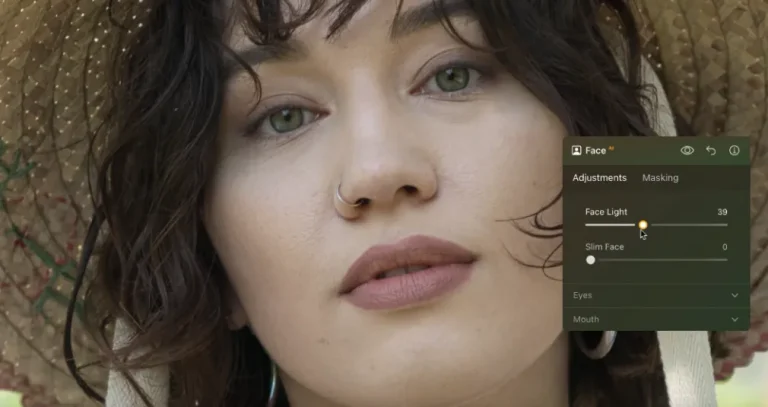
DSLR users still consider this lens among the best Canon lenses for portraits because it combines excellent sharpness with image stabilization. It is also praised for its reliable and highly accurate autofocus performance. For photographers who frequently edit skin tones and facial details afterward, using a reliable portrait editor can further refine already beautiful files from this lens.
Key Features to Look for in Portrait Lenses

Not every lens performs equally well for portraiture. Several characteristics have a major impact on final image quality.
Wide Maximum Aperture
Wide apertures such as f/1.2, f/1.4, and f/1.8 create a shallow depth of field, helping the subject stand out against a softly blurred background. This naturally draws the viewer’s attention to the eyes and facial expressions.
Focal Length
Different focal lengths produce different visual effects:
| Focal Length | Best Use |
| 35mm | Environmental photographs |
| 50mm | Lifestyle and documentary work |
| 85mm | Classic portraits and headshots |
| 135mm | Weddings and artistic compression |
Autofocus Performance
Modern portrait photography increasingly relies on eye detection autofocus. Fast and accurate AF systems become essential during weddings, family sessions, and photographing children.
Rendering and Bokeh
Many photographers often choose lenses based on rendering and bokeh characteristics rather than absolute sharpness.
Elevate Your Photography with Our Advanced Software
Top Canon Lenses for Wedding and Portrait Shoots
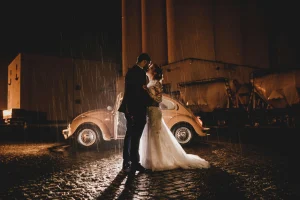
Few genres are as demanding as wedding photography. One moment you are photographing the venue, and the next you are capturing an emotional close-up of the couple. This is where Canon’s prime lenses truly excel. The RF 85mm f/1.2L is loved for its stunning bokeh and flattering rendering, whereas the RF 135mm f/1.8L gives photographers extra reach for discreetly capturing meaningful moments from afar.
The RF 85mm f/2 Macro IS STM offers excellent value for photographers on a tighter budget.
A good Canon lens for portraits does not necessarily need to be the most expensive option. Understanding your shooting style matters far more than simply buying premium glass.
How to Choose the Right Lens for Different Portrait Styles

Different types of portraiture benefit from different focal lengths.
Environmental Portraits
A 35mm or 50mm lens allows you to include surroundings that contribute to storytelling.
Examples include:
- Artists in studios
- Chefs in kitchens
- Travelers in scenic locations
Traditional Headshots
There is a reason so many photographers keep an 85mm lens in their bag. It offers a flattering perspective that works especially well for close-up headshots and beauty shots.
Fine Art Portraiture
Photographers seeking a more cinematic appearance often gravitate toward 135mm lenses. The increased compression creates a distinctly elegant and professional look.
Tips for Posing Subjects to Enhance Portraits

Even the best lens cannot compensate for poor posing.
A few simple adjustments can dramatically improve portraits:
- Encourage subjects to slightly extend their forehead toward the camera.
- Rotate shoulders away from the camera for a slimmer appearance.
- Keep hands relaxed and purposeful.
- Position eyes toward the primary light source to create attractive catchlights.
Techniques to Improve Your Portrait Photography Skills
Technical skills matter just as much as equipment.
Focus on:
- Understanding natural light direction.
- Practicing manual exposure settings.
- Learning off-camera flash techniques.
- Developing communication skills that help subjects feel comfortable.
The work does not end after pressing the shutter. Most professionals use photo retouching software to fine-tune portraits and give them a cleaner, more polished look.
Essential Photography Education for Portrait Photographers

Education frequently produces greater improvements than new equipment purchases.
Lighting Theory
Understanding Rembrandt, butterfly, split, and loop lighting can significantly improve portrait results.
Color Science
Skin tones are among the most challenging aspects of photographing people. Learning color management and white balance techniques can elevate professional consistency.
Psychology and Client Communication
Portrait photography involves directing real people. Confidence, communication, and emotional intelligence often influence results more than technical settings.
Your AI-Powered Photo Editor for MacOS and Windows
Marketing Strategies for Portrait Photographers Using Canon Lenses
Building a successful portrait business requires more than great images.
Effective strategies include:
- Creating before-and-after portfolio examples.
- Publishing educational content on social media.
- Developing niche expertise, such as maternity or corporate headshots.
- Using SEO to attract local portrait clients.
Many successful photographers also showcase behind-the-scenes footage demonstrating how specific Canon lenses help achieve their signature style.
Which Canon Portrait Lens Should You Buy?

Ask ten photographers what the best portrait lens for Canon is, and you will probably get ten different answers. For instance, the RF 85mm f/1.2L USM remains one of Canon’s finest portrait lenses thanks to its exceptional sharpness and beautiful rendering. In addition, there are other good options, such as the RF 135mm f/1.8L and the EF 85mm f/1.4L IS USM lenses.
Ultimately, the right lens depends on the stories you want to tell and the look you want your images to have.