Choosing between a DSLR camera vs point and shoot model can feel confusing at first, but understanding their strengths makes the decision much easier.
Picking the right camera involves more than looking at the specs. Point-and-shoot cameras are lightweight and ready whenever inspiration strikes, but DSLRs can adapt as you improve. The tricky part is deciding which one fits your photography style. This guide explains the difference between point and shoot and DSLR cameras so you can make a confident choice.
Key Takeaways
- Choose a point-and-shoot if portability, simplicity, and everyday convenience matter most.
- A DSLR offers interchangeable lenses, stronger low-light performance, and greater creative control.
- Sensor size has a bigger impact on image quality than megapixel count alone.
- Fast autofocus and lens flexibility make DSLRs a better fit for sports, wildlife, and portrait photography.
- Pick the model that matches what you photograph most often rather than the one with the longest feature list.
Advantages and Disadvantages of Point-and-Shoot and DSLR Cameras

Every camera involves trade-offs. If you’re unfamiliar with the point and shoot meaning, it refers to a compact model designed for simple, mostly automatic photography. Point-and-shoot models are compact, lightweight, and easy to use, making them ideal for travel and everyday photography. Their smaller sensors, however, generally produce more image noise in low light.
A DSLR gives you greater freedom once you’re ready to move beyond Auto mode. For example, you can change the lens, adjust the camera settings, and take better photos in poor light thanks to the larger sensor. The trade-off is extra weight, a larger camera bag, and a higher price.
Here is how the two formats stack up on the factors that matter most day-to-day.
| Factor | Point and Shoot | DSLR |
| Sensor size | Small, more visible noise in low light | Larger APS-C or full-frame, cleaner high-ISO shots |
| Lens | Fixed, built-in zoom | Interchangeable, wide range of options |
| Autofocus | Contrast-detection, slower on motion | Phase-detection, fast and reliable |
| Weight and size | Pocketable, lightweight | Bulkier, needs a bag |
| Manual control | Limited, mostly automatic | Full manual control over exposure |
| Typical use case | Travel, casual, everyday shooting | Sports, wildlife, portraits, studio work |
Exclusive Tools of Endless Possibilities in One Editor
Choosing the Right Camera for Your Photography Needs

Start by thinking about the type of photography you enjoy most, then choose a model that fits those needs. If you’re comparing point and shoot vs DSLR vs mirrorless cameras, focus on how and where you’ll actually use them. If you prefer travel, portraits, family photography, or other types of shots, you need a compact, portable digital camera that delivers high-quality photos. If portrait, macro, or night photography interests you, a DSLR is usually the better choice.
The camera body isn’t the only thing that matters. Lens choices, battery life, portability, and upgradeability are aspects that matter more than just megapixels. Buying a model that fits your present and future needs is always wiser than buying the most advanced one.
Tips for Improving Your Photography Skills With Any Camera
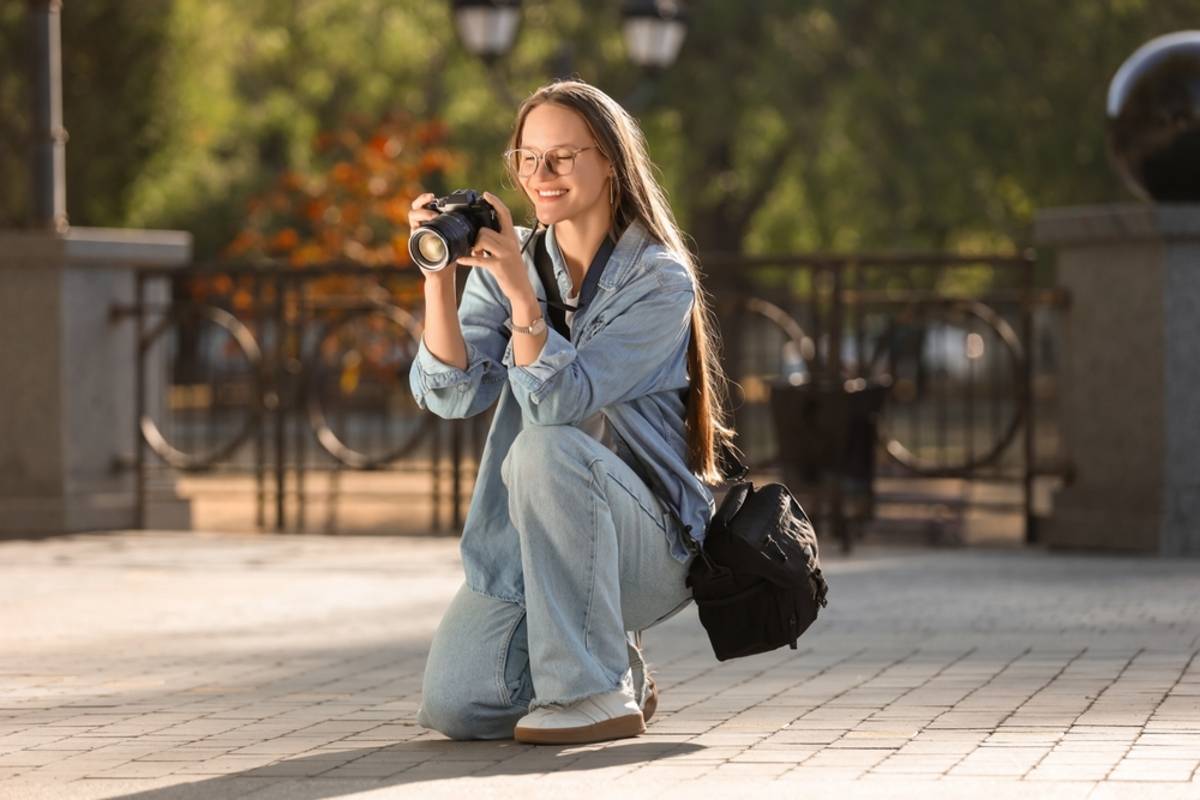
No matter what body you go for, the basics remain the same. There are some habits that will improve your photography faster than any software upgrade:
- Learn how light falls across a scene before you worry about gear, since composition and timing matter more than resolution in almost every memorable photo.
- Practice shooting in manual or aperture-priority mode even on a point and shoot, if it offers one, because understanding exposure will make you a better photographer on any camera you pick up later.
- Shoot the same scene at different times of day to see how light changes the mood and color of a photo.
- Review your images critically afterward, not only at the moment of capture, to spot patterns in what worked and what didn’t.
Understanding Lens Options for Different Camera Types
Another advantage of a DSLR camera is the ability to change lenses. There is no need to buy a new camera because his interests have changed; he only needs to change lenses. Popular lens types include:
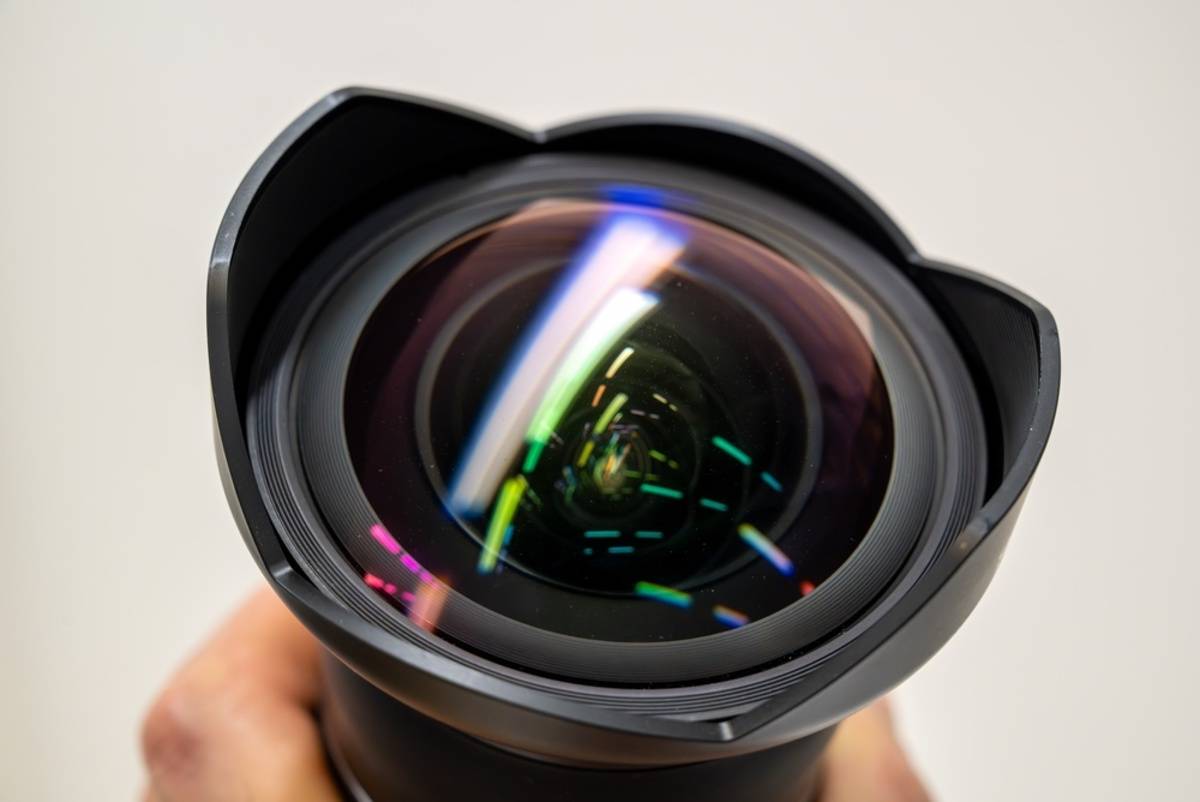
- Wide-angle lenses, best for landscapes and architecture.
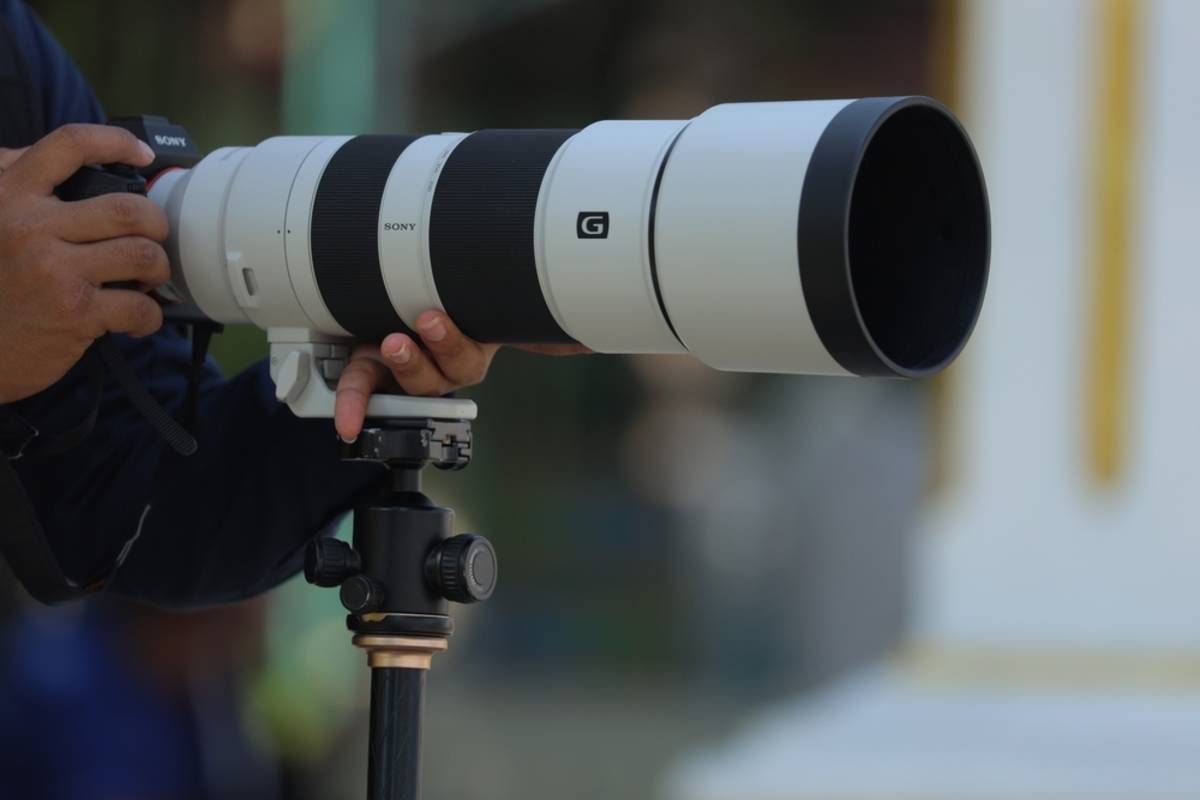
- Telephoto zooms, suited to wildlife, sports, and distant subjects.
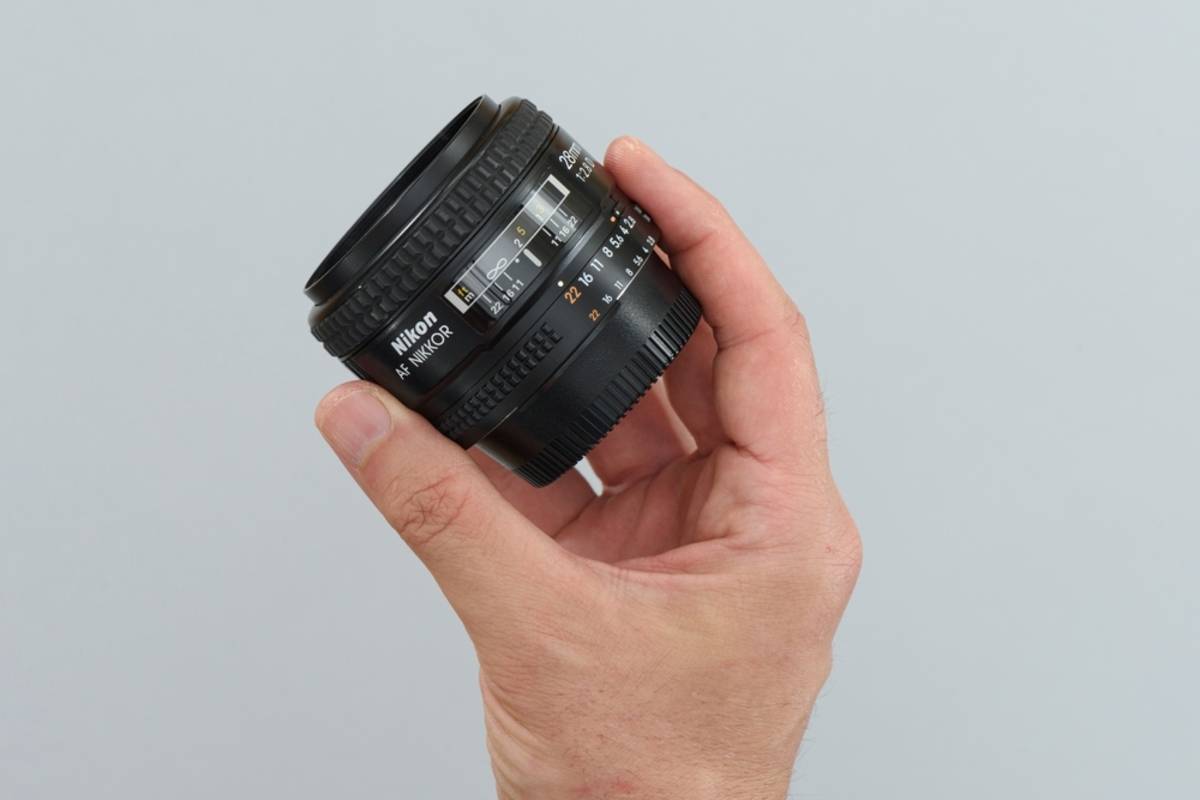
- Prime lenses, fixed-focal-length lenses that produce sharper images and better low-light performance.
- Macro lenses, built for close-up detail on flowers, insects, and small objects.
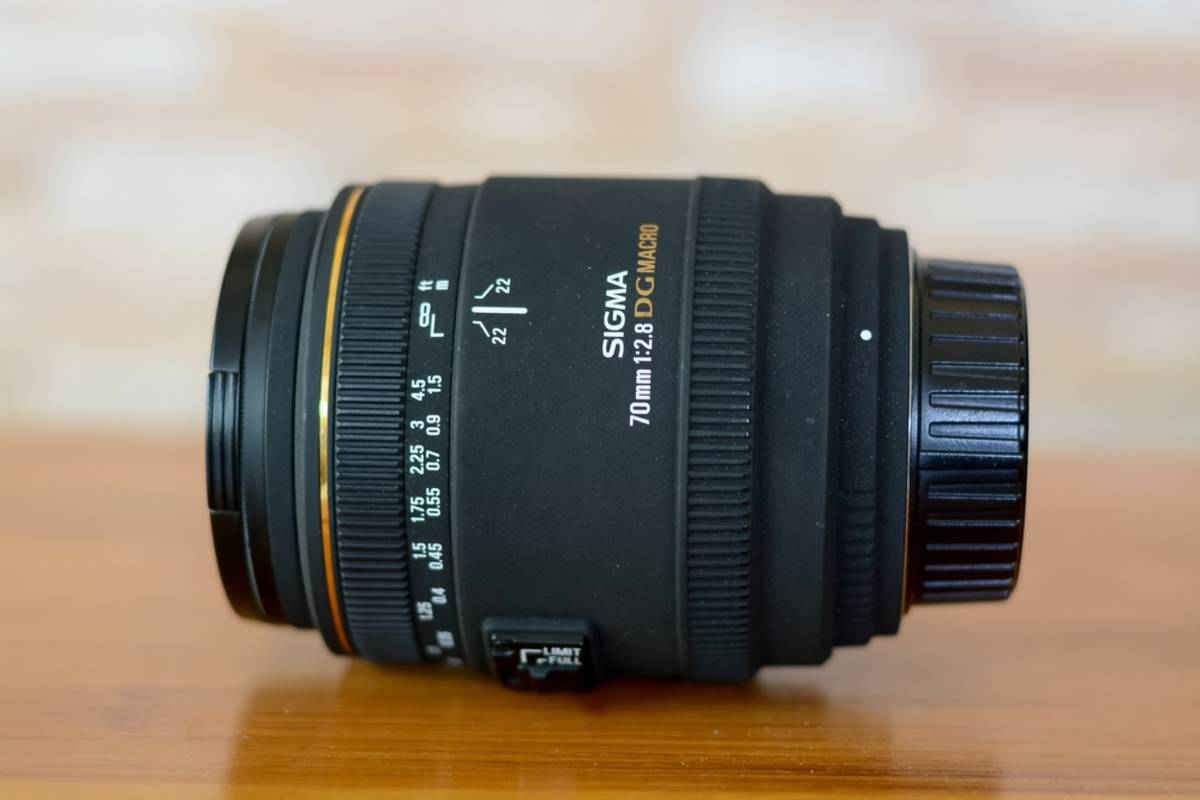


Point-and-shoot models, by contrast, come with a single built-in zoom lens that cannot be swapped out, though premium compacts often offer a respectable zoom range for everyday use. Lens flexibility can be the biggest difference between DSLR and point and shoot cameras.
Elevate Your Photography with Our Advanced Software
Reasons Why Some Photographers Prefer DSLRs Over Point-and-Shoot

Professionals and serious hobbyists tend to favor DSLRs for several practical reasons beyond image quality:
- No viewfinder lag. Optical viewfinders show the scene in real time, which matters when timing a fast-moving subject.
- Longer battery life. The viewfinder does not rely on a power-hungry electronic display, so a single charge lasts longer.
- More accessories. DSLRs support external flashes, tripod mounts, and remote triggers, giving photographers much greater control over lighting and composition that a fixed-lens compact cannot match.
- Greater manual control. Every setting, from aperture to shutter speed to ISO, can be adjusted independently for precise results.
Of course, that extra control comes with added size and weight. Whether it’s worth it depends on how you shoot.
Upgrading Your Camera Gear: When and What to Consider
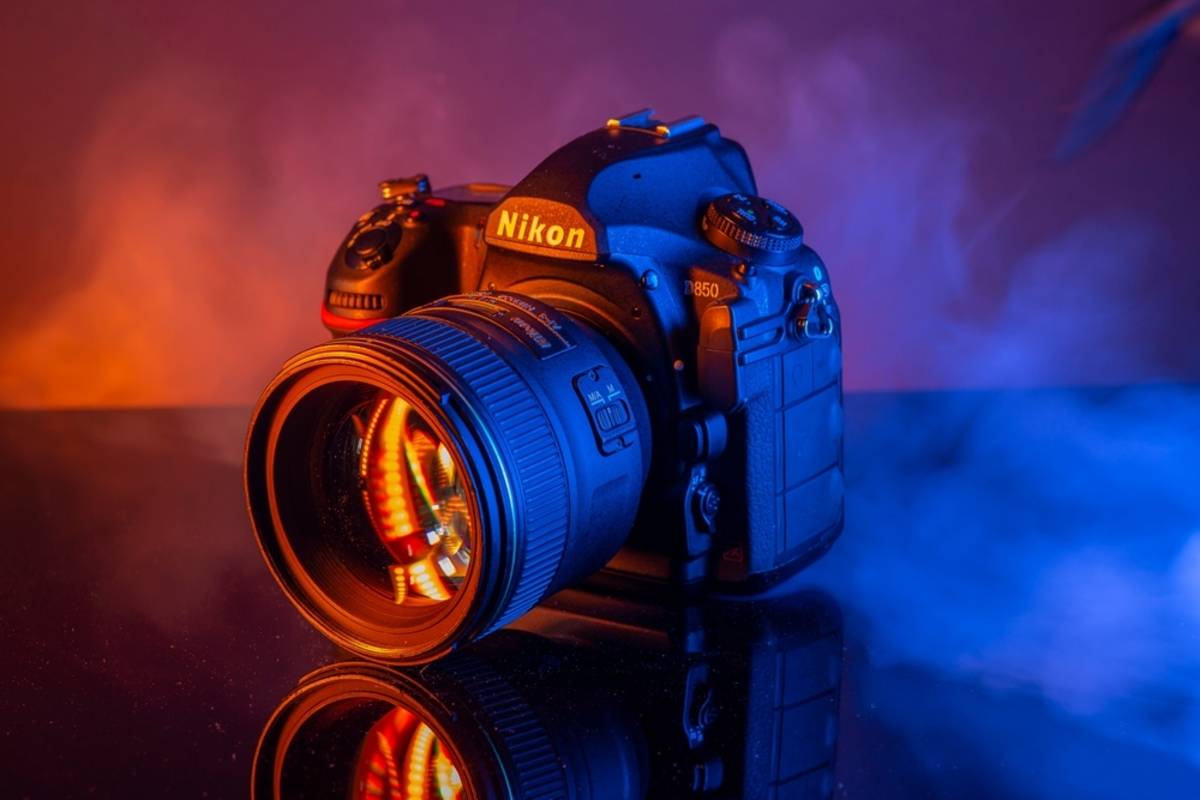
Before investing in new gear, consider these questions:
- Are you missing shots because of slow autofocus?
- Do you need a wider angle or a longer zoom?
- Is low-light performance limiting your photography?
- Would a higher-quality lens solve the issue instead?
If you answered yes to any of these questions, an upgrade may be worthwhile. In many cases, investing in quality lenses before a new camera body offers the biggest long-term improvement. Afterward, you can use Luminar Neo to retouch photos and fine-tune your results.
Comparing Autofocus and Image Quality Between Point and Shoot and DSLR

Although modern point-and-shoot cameras have improved significantly, DSLRs still hold an advantage in several key areas, as shown below.
| Feature | Point and Shoot | DSLR |
| Autofocus | Best for stationary subjects and everyday photography. Subject tracking is generally slower. | Fast phase-detection autofocus excels at tracking moving subjects, making it ideal for sports and wildlife. |
| Image Quality | Delivers excellent results in good lighting, but smaller sensors can produce more noise at high ISO. | Larger sensors capture more light, offering better low-light performance, wider dynamic range, and cleaner images. |
| Post-Processing | Modern AI tools can effectively reduce noise and improve detail. | RAW files provide greater flexibility for recovering highlights, shadows, and fine details during editing. |
Software with a built-in image denoiser can clean up grain from smaller sensors well enough that casual viewers rarely notice the difference in a finished, edited photo.
Your AI-Powered Photo Editor for MacOS and Windows
Starting Your Photography Journey: Beginner Advice and Camera Choices

If you’re buying your first camera, keep these tips in mind:
- Choose a camera you’ll actually carry. The best model is the one you use regularly.
- Match your gear to your favorite subjects. A compact one is great for travel and everyday photography, while a DSLR is better suited for portraits, sports, and wildlife.
- Don’t focus only on megapixels. Sensor size, lens quality, and autofocus often have a bigger impact on image quality.
- Think about future upgrades. If you plan to expand your skills, consider whether you’ll want interchangeable lenses later.
- Edit your photos. Using a begginers photo editor helps you learn from every shot and bring out the best in your images.
Your Next Camera, Your Choice
The question of which is better is not black-and-white when comparing point-and-shoot and DSLR systems. If portability and simplicity matter most, a compact model is the better fit. If you want greater creative control and higher performance, choose a DSLR. Whichever you decide on, right editing software can help you get even more from your photos.