
What makes a photo tell a story? Explore how light, composition, gestures, and details can give your images more meaning.
A photograph can do more than record what was in front of the camera. It can suggest what happened before the shutter was pressed, what might happen next, or how a particular moment felt.
That is the foundation of storytelling in photography. Instead of simply showing a person, place, or object, you use composition, light, color, gestures, details, and context to give the viewer something to interpret.
A photographic story can be told in a single image or across a series. The approach works with portraits, documentary photography, street scenes, landscapes, still life, travel photography, and many other genres.
Don’t feel like reading the whole breakdown? We’ve pulled together a quick summary below.
Key Takeaways
- Photographic storytelling is about meaning, not just subject matter. Every important element in the frame should contribute something to the visual narrative.
- A single photograph can tell a story, but a series gives you more room to establish context, development, and change.
- Emotion comes from more than facial expressions. Light, color, body language, environment, and small details can all influence how an image is interpreted.
- Plan the idea before shooting, but leave room for unexpected moments that may strengthen the story.
- Composition helps guide the viewer. Lines, framing, negative space, perspective, and the placement of the subject can all support the narrative.
- Props and environmental details should provide context, rather than simply decorating the scene.
- Editing should reinforce the story without changing the meaning of a documentary image unnecessarily.
- The strongest visual stories often leave something unresolved, giving the viewer enough information to imagine what happened next.
What Is Storytelling in Photography?
Storytelling in photography is the practice of using one or more photographs to communicate an idea, experience, event, or emotion.
It is not a separate photography genre. Instead, it is an approach that can be applied to many genres, from portrait and documentary photography to street, travel, landscape, and still life.
A storytelling photograph does not necessarily explain everything. In fact, it often works because it leaves some room for interpretation.
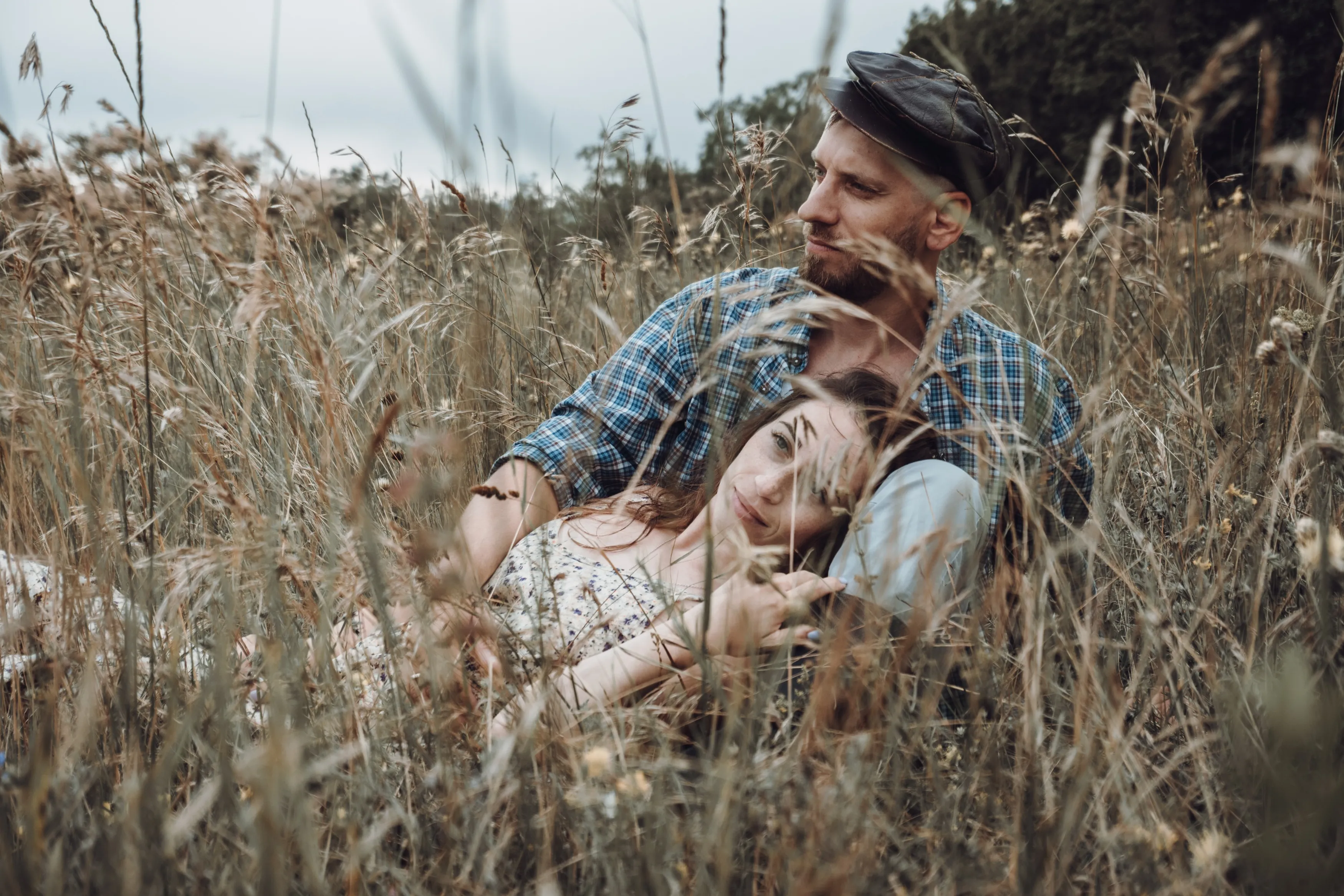
Consider a portrait of a person sitting alone at an empty train station. The photograph might not tell you exactly why they are there. But the person’s posture, the empty surroundings, the light, and the composition can suggest loneliness, anticipation, departure, or waiting.
The viewer completes part of the story.
The Building Blocks of a Photographic Story
There is no fixed formula for creating a storytelling photograph, but several elements are particularly useful:
- Subject: The person, object, place, or event that anchors the image.
- Context: Environmental information that tells the viewer where the subject is and what is happening around them.
- Visual clues: Details that suggest relationships, events, or emotions.
- Emotion: The feeling you want the photograph to evoke.
- Composition: The arrangement of elements that determines what the viewer notices first.
- Light and color: Tools for establishing atmosphere and directing attention.
- Sequence: When working with multiple photographs, the order in which images are viewed becomes part of the story.
The goal is not to include every possible element. A strong image can sometimes communicate more through a carefully chosen detail than through a crowded scene.
Exclusive Tools of Endless Possibilities in One Editor
7 Storytelling Photography Tips
1. Start With a Clear Idea

Before taking pictures, decide what you want the viewer to understand or feel.
Your starting point could be:
- A person going through a significant experience
- A place changing over time
- A local tradition
- An ordinary day in someone’s life
- A relationship between people and their environment
- A contrast between two subjects or situations
- A small event with a beginning and an outcome
You do not need to write a complete script. A simple concept is enough to give your photographs direction.
If the project involves a real person, location, or cultural subject, research it beforehand. Understanding the context can help you choose meaningful locations, moments, and details rather than relying on generic visual symbols.
It is also worth visiting the location before the shoot when possible. Look for interesting backgrounds, changes in light, useful viewpoints, and details that could become part of the story.
At the same time, don’t plan every frame so rigidly that you miss what happens naturally. Unexpected moments can become some of the most convincing parts of a photographic story.use it’s starting to rain, do you? This can quickly change the atmosphere and make it not at all that you expected.
2. Use Emotion Without Relying Only on Faces
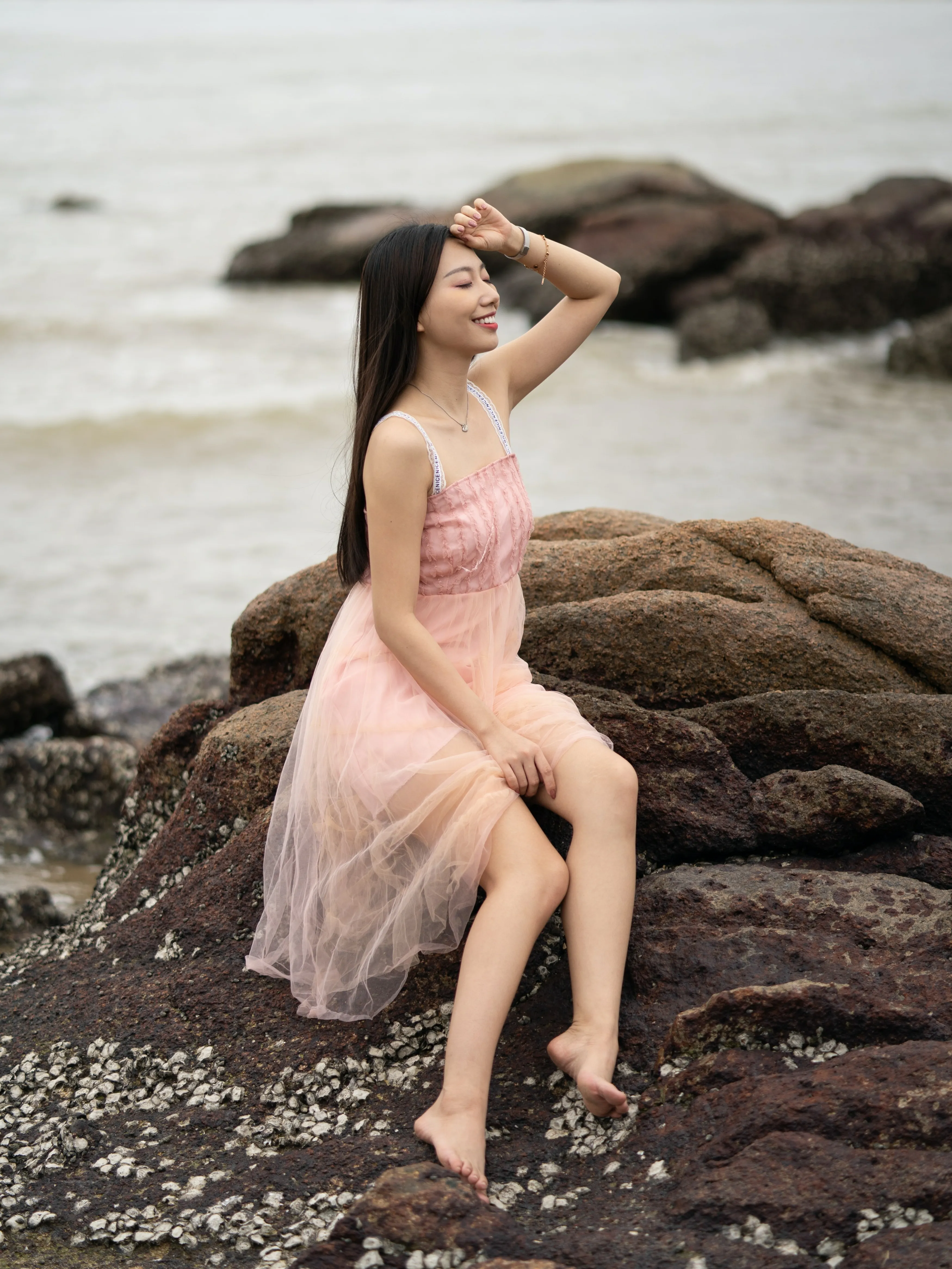
Facial expressions are an obvious way to communicate emotion, but they are not the only option.
Think about:
- Body language
- Posture and gestures
- Distance between people
- Lighting
- Color
- Facial expressions
- Environmental details
- Empty space
- Objects associated with the subject
For example, a person standing in a doorway with their back to the camera can create a very different impression from the same person looking directly into the lens.
Color can also influence the mood of an image. Warm and cool colors may create different visual associations, but avoid treating color meanings as universal rules. Context matters, and viewers can interpret the same color differently.
Details are especially valuable. A pair of worn shoes beside a packed suitcase, an untouched cup of coffee, or an empty chair can sometimes suggest a situation without explicitly explaining it.
Composition plays a similar role. Techniques such as leading lines, framing, and negative space can direct attention and reinforce the visual narrative. Skylum’s guide to composition techniques for better photos explores several of these approaches in more detail.
3. Decide Whether You Need One Photo or a Series
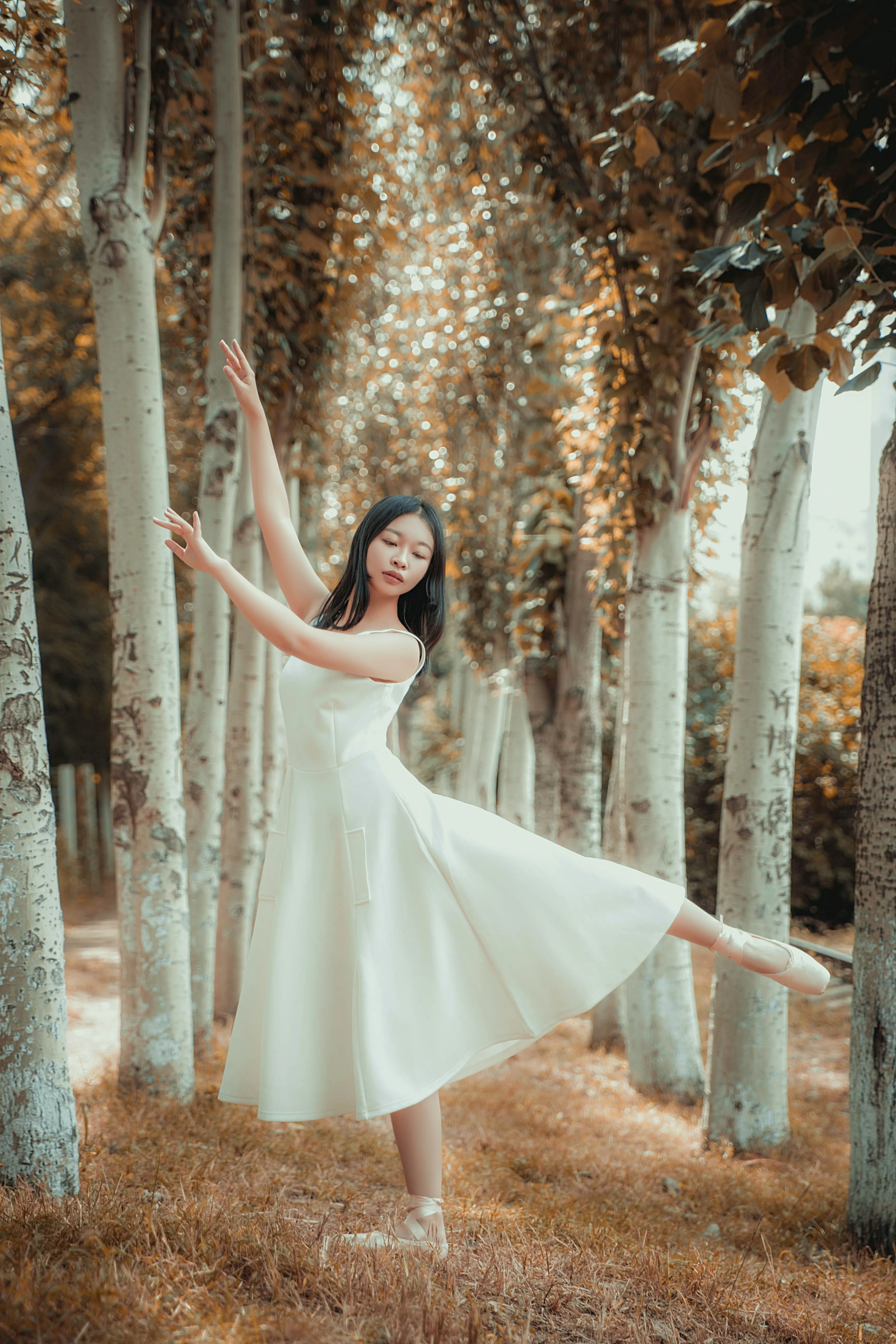
Both approaches can work.
A single storytelling photograph is useful when one moment contains enough information to suggest a complete idea. This can be particularly effective for portraits, street photography, documentary moments, and carefully constructed scenes.
A photo series gives you more space to develop the narrative. You can establish a location, introduce people, show an important action, and finish with a result or an open-ended moment.
A simple structure for a series might be:
- Establishing shot — Where are we?
- Introduction — Who or what is important?
- Action — What is happening?
- Detail — What small element adds meaning?
- Closing image — What remains after the main event?
You don’t have to follow this structure exactly. Some stories work better when the sequence is deliberately fragmented or begins with a mysterious detail.
When editing a series, look at the photographs together rather than individually. Two excellent images may not work well next to each other if they repeat the same information.
4. Build a Visual Narrative Through Composition
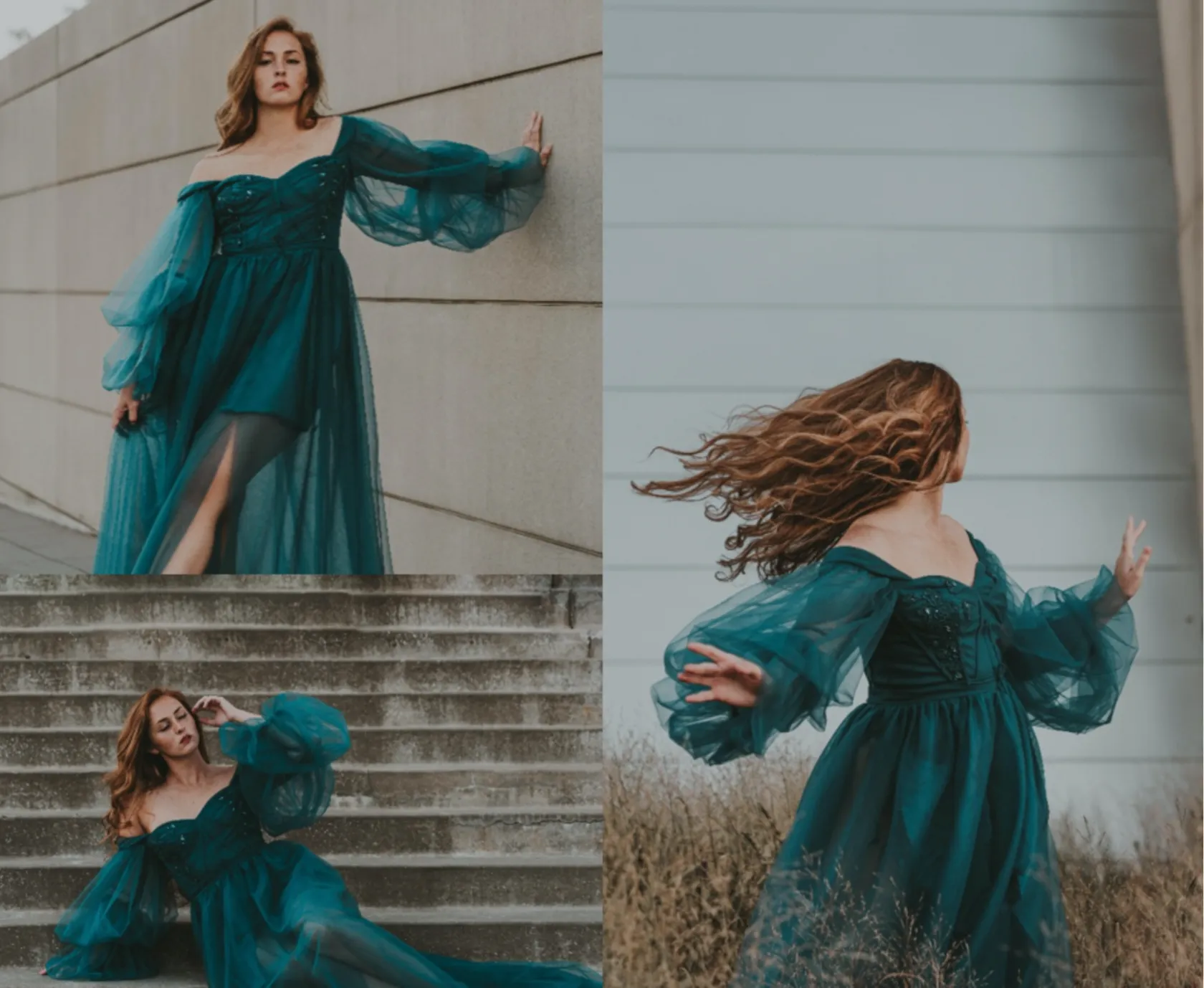
Composition determines how the viewer moves through the frame.
You can use familiar techniques to support storytelling:
- Leading lines can guide the eye toward a person or important object.
- Negative space can suggest isolation, distance, or anticipation.
- Framing can separate the subject from the surrounding environment.
- Foreground elements can add depth and context.
- Different camera angles can change how a subject relates to the viewer.
- Symmetry and repetition can create visual order or emphasize a pattern.
- Changing perspective can reveal relationships between people and their surroundings.
For example, photographing someone at a distance may make the environment feel more important. Moving closer can make the image feel more intimate.
There is no single “correct” perspective for storytelling. Choose the viewpoint that supports the idea behind the photograph.
5. Use Props and Details With a Purpose
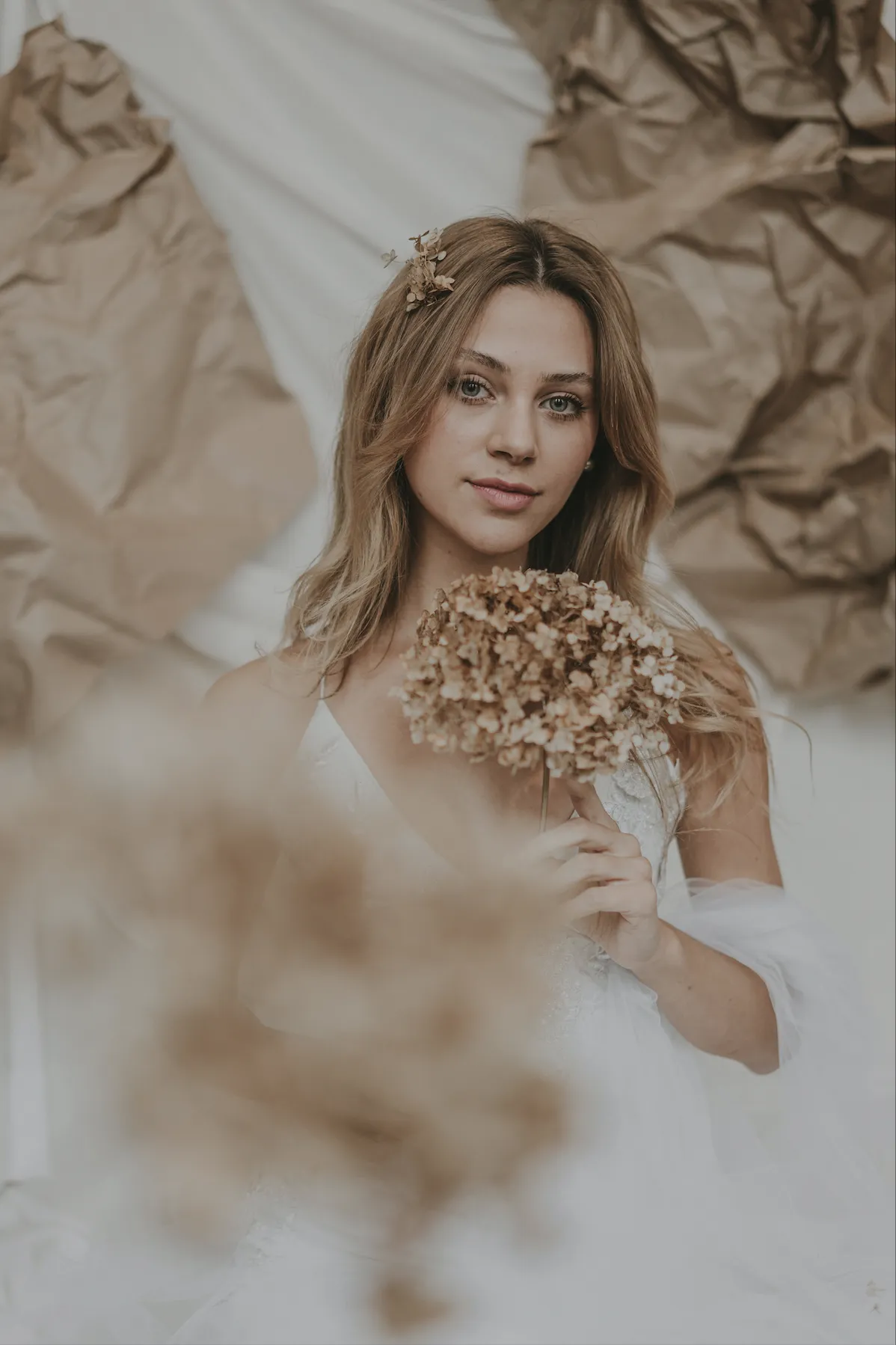
Props can help communicate information that would otherwise require words.
A musical instrument can suggest someone’s profession or passion. A suitcase can suggest travel. Old photographs can connect a person with their past. Tools can reveal what someone does every day.
But props should have a reason for being in the frame. Adding objects simply because they look interesting can make the image harder to read.
For staged storytelling, ask yourself: What does this object tell the viewer that the subject alone cannot?
The same principle applies to clothing and location. Instead of relying on exaggerated costumes or stereotypes, use authentic details whenever possible.
Remember that some props will have to be worked on to find them. If you want to make photography telling the story of a warrior or an assassin, you will need weapons. If you want to turn your character into a deity, use a staff, a magic wand, or a trident.
6. Pay Attention to Light and Camera Settings

A compelling story still needs a technically usable photograph.
Before pressing the shutter, consider:
- Shutter speed for movement
- Aperture for depth of field
- ISO for exposure and noise
- White balance for consistent color
- Focus for the intended point of attention
- Exposure for preserving important highlights and shadows
Lighting deserves particular attention because it affects both visibility and mood.
Soft, diffused light can create a quieter atmosphere, while strong directional light can produce more pronounced shadows and contrast. Backlighting can separate a subject from the background, while side lighting can emphasize texture and form.
The right settings depend on the scene. There is no single combination that makes a photograph more “storytelling-oriented.”
Elevate Your Photography with Our Advanced Software
7. Leave Room for Interpretation
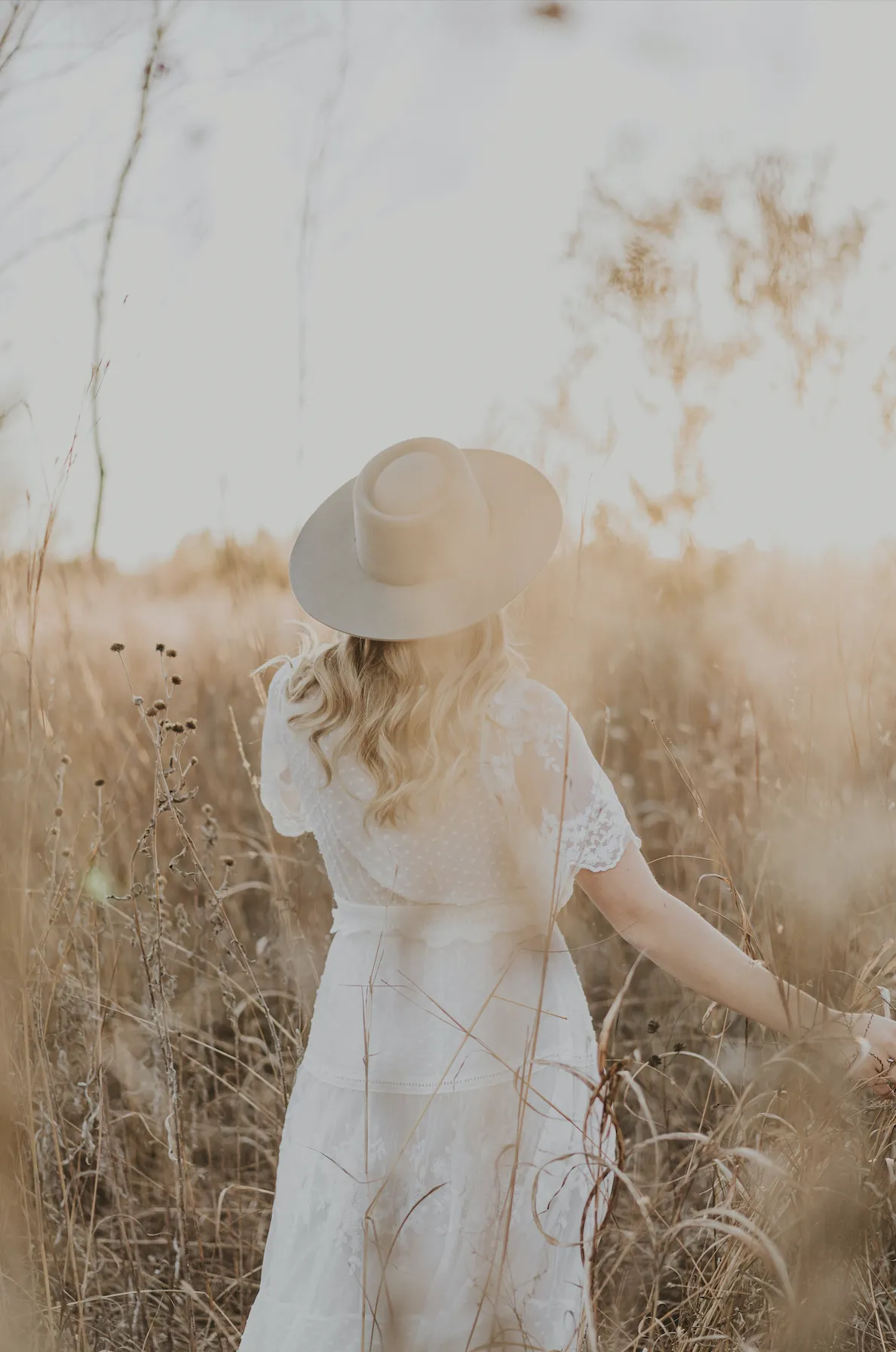
A photograph does not have to answer every question.
In fact, giving the viewer just enough information to construct their own interpretation can make an image more engaging.
Instead of photographing an obvious action from beginning to end, you might show the moment immediately before or after it.
For example, rather than photographing someone opening a letter, you could photograph the person sitting at a table with the opened envelope beside them. The viewer has to imagine what was inside.
This approach is particularly useful when you want a photograph to feel reflective, mysterious, or emotionally ambiguous.
How to Edit Storytelling Photos
Editing should support the story established when you took the photograph.
Start with practical corrections such as exposure, white balance, cropping, and contrast. Then consider whether color, local adjustments, or selective editing can strengthen the intended mood.
For example, you might:
- Crop distractions from the edges of the frame.
- Adjust exposure to bring attention to the subject.
- Refine contrast to emphasize important shapes.
- Correct distracting color casts.
- Use selective adjustments to guide attention.
- Remove an accidental distraction that does not contribute to the scene.
For documentary work, be especially careful with edits that add, remove, or substantially alter elements of the scene. A creative portrait and a documentary photograph have different expectations, so the editing approach should match the purpose of the project.
Using Luminar for Storytelling Photography
Luminar can be useful during the finishing stage of a storytelling project. Its current toolset includes basic image adjustments, RAW editing, cropping, layers, AI-assisted enhancement, and tools for removing unwanted elements.
For example, if a distracting object pulls attention away from the subject, you can use GenErase to remove it. For a more conventional workflow, you can refine exposure, color, contrast, and composition without substantially changing the content of the photograph.

If you’re working with RAW files, Luminar also provides a Develop RAW workflow for adjusting fundamental tone and color before applying further edits.

The key is to edit with the narrative in mind. If an adjustment makes an image more visually striking but distracts from the story, it may not be the right adjustment.
Your AI-Powered Photo Editor for MacOS and Windows
Storytelling Photography Ideas to Try
If you’re not sure where to start, try one of these projects:
Follow a Person for a Day
Create a short series documenting one person’s routine. Photograph both significant moments and small details that reveal their environment.
Tell a Story Through Details
Avoid photographing the main subject directly. Instead, tell the story using objects, textures, spaces, and traces of human activity.
Photograph a Place at Different Times
Return to the same location at different times of day or during different stages of an event. Changes in light, people, and activity can create a natural narrative.
Show a Before-and-After
Document a transformation: a workspace being prepared, a meal being made, a room being renovated, or a landscape changing with the seasons.
Create a Beginning, Middle, and End
Plan a small fictional or staged story and photograph three to seven key moments. Focus on making each image add new information rather than repeating the same scene.
Tell Two Stories in One Frame
Look for photographs where foreground and background contain related but independent actions. The relationship between them can give the viewer more to discover.
Conclusion
Good photographic storytelling starts before you press the shutter. Decide what you want to communicate, look for meaningful details, and use composition, light, color, and perspective to guide the viewer through the image.
Whether you create one carefully considered photograph or a complete series, the goal is the same: give the viewer enough visual information to understand the idea while leaving enough space for them to interpret it.
When you edit the final images, keep that intention in mind. Tools such as Luminar can help refine the technical and visual aspects of the photograph while keeping the original story at the center.
Frequently Asked Questions
A storytelling photograph communicates more than the appearance of its subject. It uses context, composition, emotion, light, details, or relationships between elements to suggest an idea or narrative.
Yes. A single photograph can communicate a strong narrative when the moment contains enough visual information to suggest what happened, what is happening, or what might happen next.
No. Storytelling is an approach rather than a specific genre. Documentary photography can use storytelling techniques, but storytelling can also be used in portraits, landscapes, still life, street photography, conceptual work, and staged scenes.
There is no fixed number. A short story might need three to five photographs, while a documentary project may require many more. Include only images that add meaningful information or advance the narrative.
Yes, but the degree of editing should match the purpose of the project. Exposure, color, cropping, and other adjustments can strengthen a photograph, while documentary projects may require greater restraint when edits could change the meaning of the original scene.


