The best photography documentary films reveal how photographers see, select, and preserve moments that others might overlook. This list brings together 12 documentaries about street photography, portraiture, architecture, conflict, and the creative process.
Photography documentaries offer more than a tour through famous images. They show the decisions behind the frame, the relationship between a photographer and a subject, and the ethical questions that arise when private lives, public events, or human suffering become photographs.
The selection below includes biographical films, behind-the-scenes studies, and broader portraits of photographic communities. Availability changes between countries and streaming services, so search for each title through legitimate local platforms, libraries, or distributors.
Don’t feel like reading the whole breakdown? We’ve pulled together a quick summary below.
Photography Documentaries at a Glance
| Documentary | Year | Director(s) | Main subject | Best for |
| The Salt of the Earth | 2014 | Wim Wenders and Juliano Ribeiro Salgado | Sebastião Salgado | Documentary and humanitarian photography |
| Finding Vivian Maier | 2013 | John Maloof and Charlie Siskel | Vivian Maier | Street photography and artistic discovery |
| War Photographer | 2001 | Christian Frei | James Nachtwey | Conflict photography and ethics |
| Everybody Street | 2013 | Cheryl Dunn | New York street photographers | Street photography history and practice |
| The Impassioned Eye | 2003 | Heinz Bütler | Henri Cartier-Bresson | Composition and the decisive moment |
| What Remains | 2005 | Steven Cantor | Sally Mann | Family, memory, and mortality |
| William Eggleston in the Real World | 2005 | Michael Almereyda | William Eggleston | Color photography and everyday subjects |
| Visual Acoustics | 2008 | Eric Bricker | Julius Shulman | Architecture and interior photography |
| The B-Side | 2016 | Errol Morris | Elsa Dorfman | Portrait photography and large-format Polaroid |
| McCullin | 2012 | David Morris and Jacqui Morris | Don McCullin | War photography and personal cost |
| Garry Winogrand: All Things Are Photographable | 2018 | Sasha Waters Freyer | Garry Winogrand | American street photography |
| Gordon Parks: Half Past Autumn | 2000 | Craig Laurence Rice | Gordon Parks | Photography, civil rights, and visual storytelling |
1. The Salt of the Earth
- Year: 2014
- Directors: Wim Wenders and Juliano Ribeiro Salgado
- Subject: Sebastião Salgado
- Best for: Documentary photography, visual storytelling, and environmental work
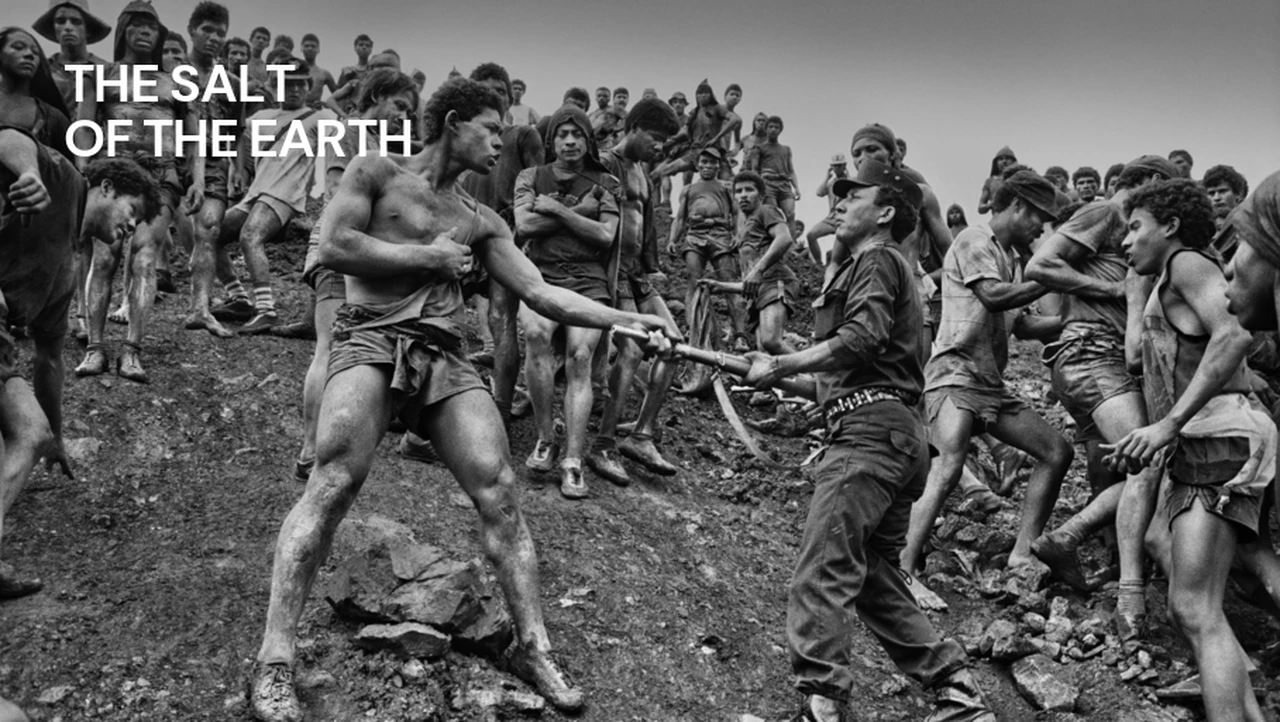
The Salt of the Earth follows Brazilian photographer Sebastião Salgado across decades of work documenting labor, migration, famine, conflict, landscapes, and Indigenous communities. Co-directed by filmmaker Wim Wenders and Salgado’s son Juliano Ribeiro Salgado, it connects the photographer’s celebrated black-and-white images with the experiences behind them.
The film is visually powerful but not easy viewing. It also opens useful questions about witnessing suffering, turning tragedy into art, and the emotional consequences of returning repeatedly to humanitarian crises. Later sections trace Salgado’s environmental work and the restoration project he developed with Lélia Wanick Salgado.
Why watch it: It provides the broadest combination of biography, photographic practice, ethics, and environmental storytelling in this list.
Exclusive Tools of Endless Possibilities in One Editor
2. Finding Vivian Maier
- Year: 2013
- Directors: John Maloof and Charlie Siskel
- Subject: Vivian Maier
- Best for: Street photography, archives, and questions of posthumous recognition

Vivian Maier worked for years as a nanny while privately creating an enormous body of street photography. Her negatives were largely unknown during her lifetime, and the film follows the attempt to reconstruct her story after collector John Maloof acquired part of her archive.
The documentary is engaging because it combines a mystery with close attention to Maier’s photographs. It also raises unresolved questions: Who controls an artist’s legacy? How should private work be presented after the artist’s death? And can a biography built by others ever fully explain the person behind the camera?
Why watch it: It is an accessible introduction to observational street photography and the complicated process through which artistic reputations are created.
3. War Photographer
- Year: 2001
- Director: Christian Frei
- Subject: James Nachtwey
- Best for: Photojournalism, conflict photography, and professional ethics
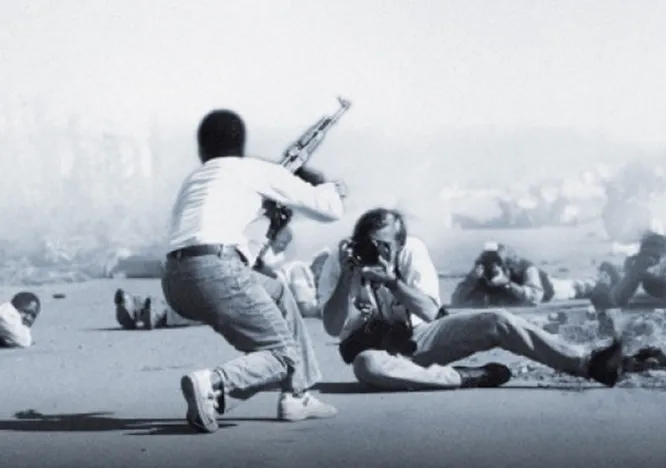
War Photographer follows James Nachtwey while he documents conflict, poverty, and humanitarian emergencies. A small camera attached to his equipment lets viewers observe how he moves, frames, and communicates in situations where the presence of a photographer can never be neutral.
The film avoids presenting courage as the only story. It asks what photographs of suffering can achieve, what they cost the photographer and subject, and how images circulate after leaving the place where they were made.
Why watch it: It gives rare access to the working process of a conflict photographer while confronting the moral tension at the center of the profession.
4. Everybody Street
- Year: 2013
- Director: Cheryl Dunn
- Subject: New York street photographers
- Best for: Candid photography, urban observation, and photographic instinct

Everybody Street brings together photographers who have shaped the visual history of New York, including Joel Meyerowitz, Bruce Gilden, Mary Ellen Mark, Elliott Erwitt, Martha Cooper, Jamel Shabazz, and others. Their approaches differ dramatically, from humorous observation to confrontation, social documentation, and graffiti culture.
The variety is the point. Rather than defining a single correct method, the film shows how temperament, access, distance, timing, and ethics shape the way each photographer works in public space.
Why watch it: It offers practical insight into how experienced street photographers notice scenes, approach strangers, and react before a moment disappears.
For more context on the genre, explore our guide to street photography.
5. Henri Cartier-Bresson: The Impassioned Eye
- Year: 2003
- Director: Heinz Bütler
- Subject: Henri Cartier-Bresson
- Best for: Composition, timing, and photographic history
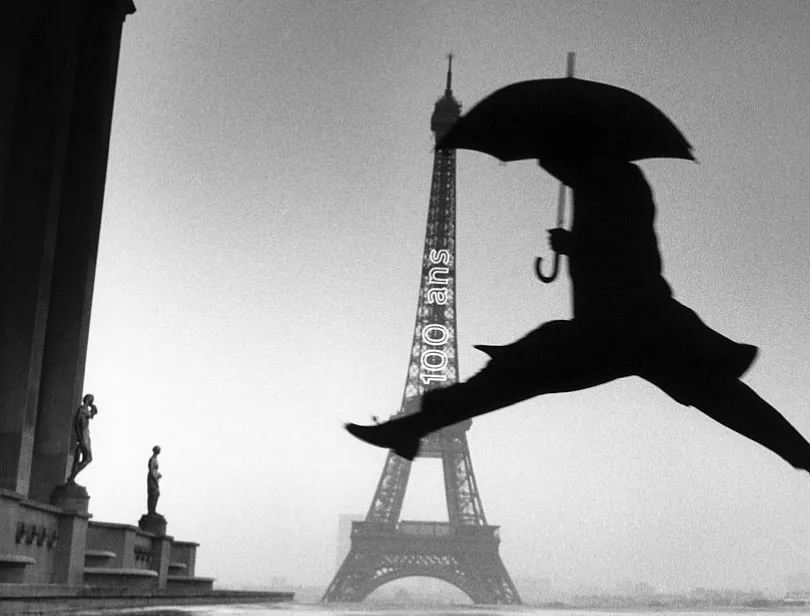
In The Impassioned Eye, Henri Cartier-Bresson reflects on photographs from across his career and discusses observation, geometry, intuition, and the idea commonly known as the decisive moment. His commentary gives viewers direct access to the thinking behind images that became central to twentieth-century photography.
The film is restrained, allowing the photographs and Cartier-Bresson’s voice to carry the argument. It is especially useful for photographers interested in how visual structure and spontaneous human behavior can coexist in a single frame.
Why watch it: Few films explain the relationship between composition and timing as clearly through the words of the photographer himself.
6. What Remains: The Life and Work of Sally Mann
- Year: 2005
- Director: Steven Cantor
- Subject: Sally Mann
- Best for: Fine-art photography, family, landscape, and mortality
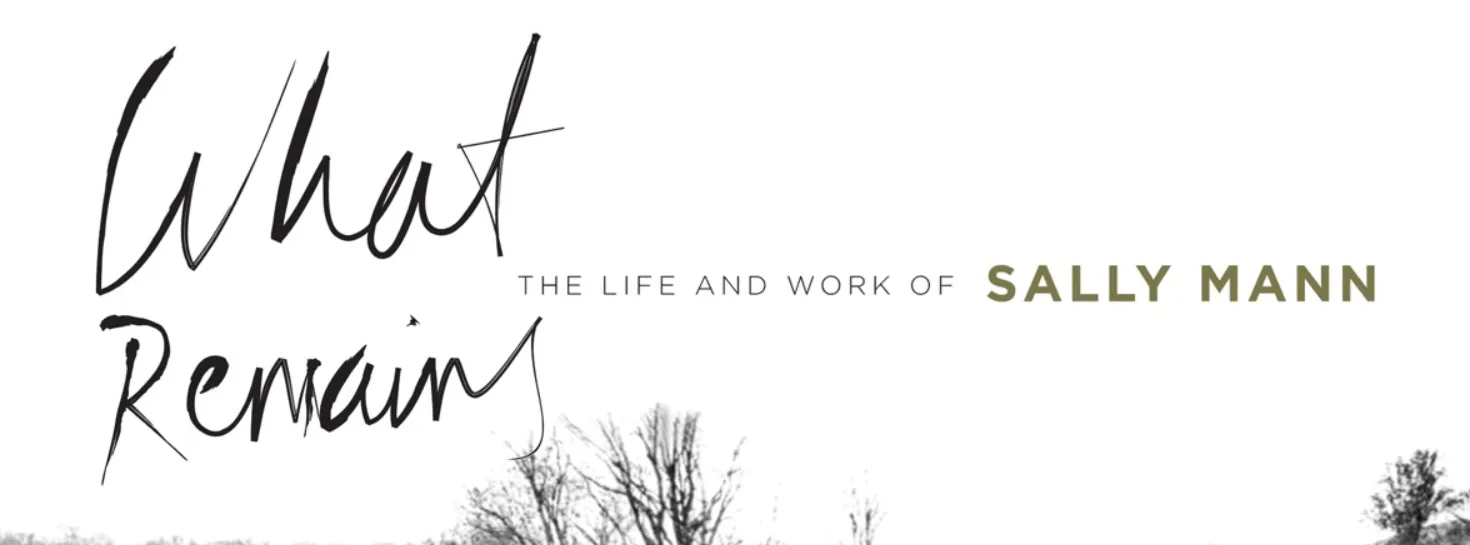
What Remains follows Sally Mann at her Virginia farm as she works with large-format cameras and historical photographic processes. The documentary revisits her family portraits and follows the development of work concerned with landscape, decay, death, and memory.
Because Mann’s photographs have generated debate about privacy, childhood, and artistic freedom, the film is valuable not only as a studio portrait but also as a case study in the relationship between an artist, her family, critics, and the public.
Why watch it: It shows how personal surroundings and recurring subjects can develop into a long-term photographic practice.
7. William Eggleston in the Real World
- Year: 2005
- Director: Michael Almereyda
- Subject: William Eggleston
- Best for: Color photography and finding significance in ordinary places
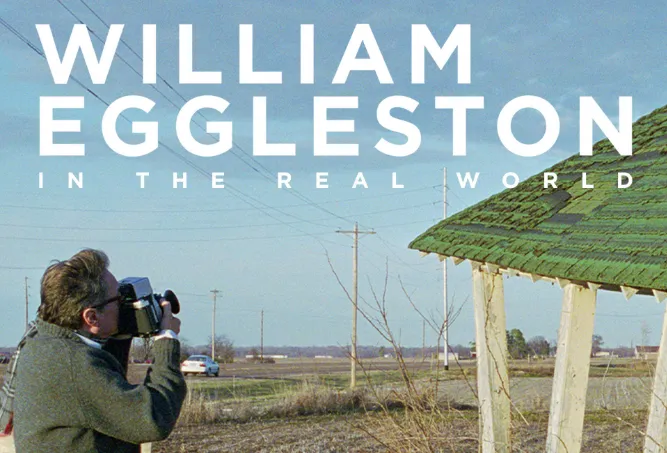
William Eggleston helped establish color photography as a serious artistic medium. The documentary follows him through familiar Southern environments—homes, streets, diners, and other apparently ordinary spaces—while allowing his quiet, elliptical personality to remain partly unexplained.
The film is less a conventional lesson than an invitation to look. It demonstrates how attention, color relationships, and framing can make unremarkable subjects visually charged without turning them into grand spectacles.
Why watch it: It encourages photographers to stop waiting for an obviously important subject and examine the visual possibilities of everyday life.
Your AI-Powered Photo Editor for MacOS and Windows
8. Visual Acoustics: The Modernism of Julius Shulman
- Year: 2008
- Director: Eric Bricker
- Subject: Julius Shulman
- Best for: Architecture, interiors, and the relationship between photographs and design
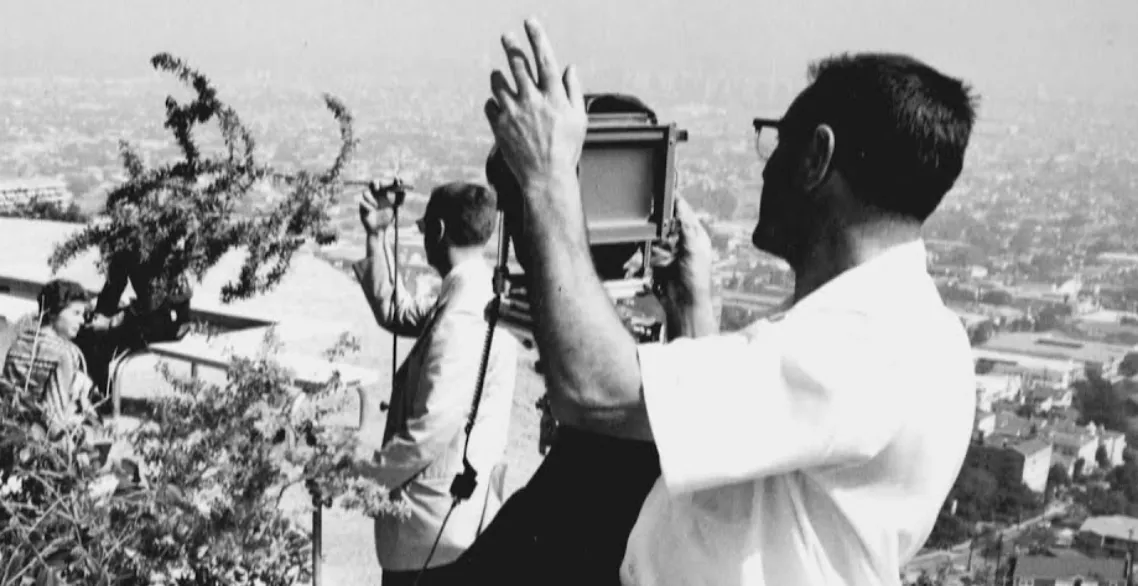
Narrated by Dustin Hoffman, Visual Acoustics explores the work of architectural photographer Julius Shulman. His images helped define the public image of modernist architecture in Southern California, transforming buildings into symbols of a particular place and way of life.
The documentary shows that architectural photography does more than record a structure. Camera position, light, people, landscape, and styling can influence how a building is understood and remembered.
Why watch it: It is a strong introduction to the way photography shapes architectural history and public taste.
9. The B-Side: Elsa Dorfman’s Portrait Photography
- Year: 2016
- Director: Errol Morris
- Subject: Elsa Dorfman
- Best for: Portraiture, archives, and analog photographic processes
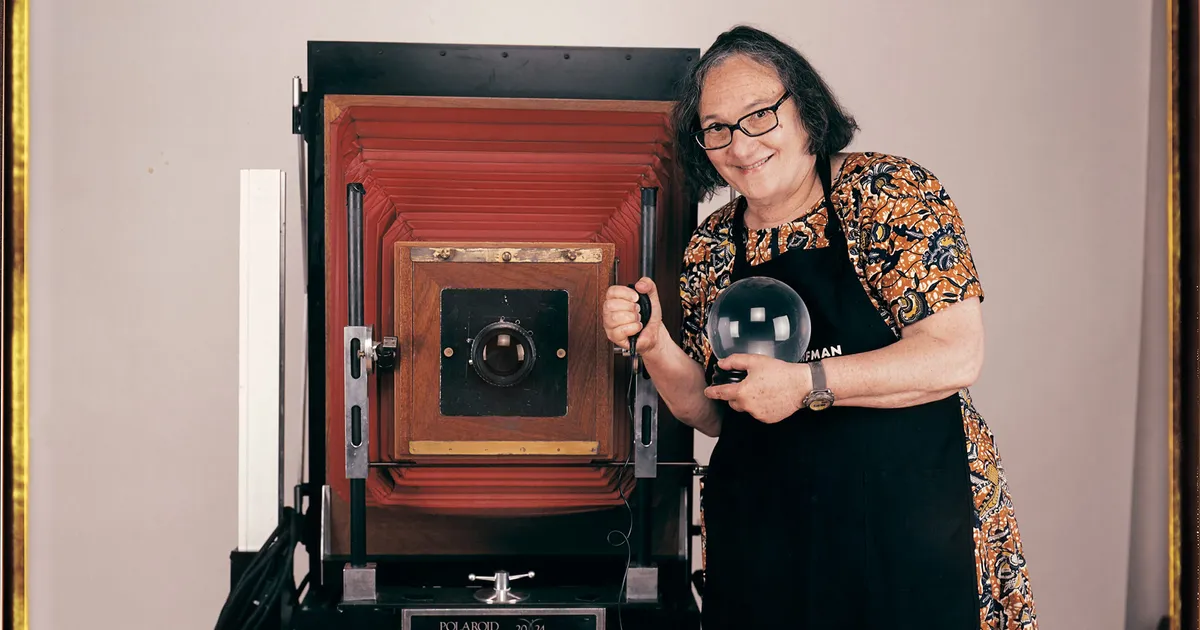
Elsa Dorfman became known for intimate portraits made with a rare large-format Polaroid camera. In The B-Side, she looks through her archive and discusses the images she kept, the photographs her clients selected, and the rejected alternatives that often interest her most.
The film is warm, conversational, and attentive to the material nature of photography. It also captures the vulnerability of an artistic process tied to equipment and film that are becoming difficult to maintain.
Why watch it: It offers a gentle but perceptive lesson in portrait collaboration, editing, imperfection, and the value of the physical print.
10. McCullin
- Year: 2012
- Directors: David Morris and Jacqui Morris
- Subject: Don McCullin
- Best for: War reporting, editorial photography, and the psychological cost of witnessing

McCullin traces British photographer Don McCullin’s career from photographs of his local community to assignments covering conflict, famine, and social hardship. McCullin reflects directly on the events he witnessed and on the uneasy relationship between professional recognition and other people’s suffering.
The documentary complements War Photographer but has a more retrospective tone. It shows how decades of exposure to violence can shape a photographer’s memory, worldview, and later work.
Why watch it: It presents photojournalism as a lifelong ethical and emotional responsibility rather than a series of dramatic assignments.
11. Garry Winogrand: All Things Are Photographable
- Year: 2018
- Director: Sasha Waters Freyer
- Subject: Garry Winogrand
- Best for: American street photography, archives, and critical reassessment

The film examines Garry Winogrand’s energetic photographs of American public life alongside the contradictions of his career and legacy. It considers both his enormous influence and the limitations of the mythology built around a prolific male street photographer.
Winogrand left thousands of rolls undeveloped or unedited, making the archive itself part of the story. The documentary asks whether every exposed frame belongs to an artist’s finished body of work and who should make that decision after the photographer is gone.
Why watch it: It connects the excitement of spontaneous street photography with difficult questions about editing, authorship, and legacy.
12. Gordon Parks: Half Past Autumn
- Year: 2000
- Director: Craig Laurence Rice
- Subject: Gordon Parks
- Best for: Documentary storytelling, portraiture, civil rights, and multidisciplinary creativity

Half Past Autumn profiles Gordon Parks, whose career crossed photography, writing, music, and filmmaking. His photographs addressed racism, poverty, fashion, celebrity, and everyday life, often combining journalistic clarity with a strong sense of dignity and narrative.
The film shows how Parks navigated institutions that had historically excluded Black artists while using visual storytelling to reach broad audiences. His career also demonstrates that a photographic voice can evolve across genres rather than remain confined to one specialty.
Why watch it: It is an essential portrait of photography as both artistic practice and a tool for social observation.
Also Worth Watching: Contacts
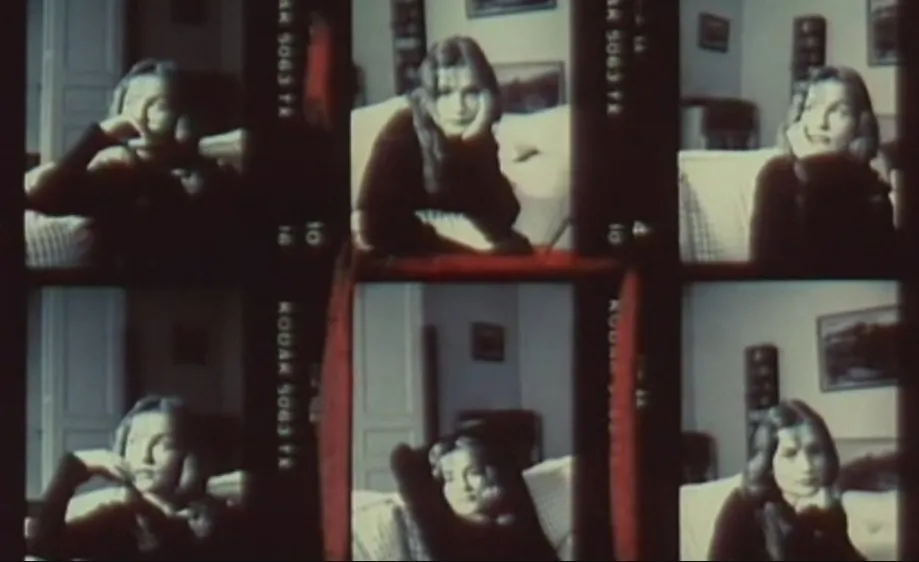
Contacts is better understood as a documentary series than a single feature film. Across its episodes, major photographers discuss their contact sheets, sequencing, rejected frames, and the decisions that lead from a roll of film to a final image.
The series is especially valuable for understanding editing. It reveals that a celebrated photograph is rarely created in isolation: it emerges from movement, repetition, near misses, and careful selection.
Elevate Your Photography with Our Advanced Software
From Inspiration to Editing in Luminar
Photography documentaries can help you recognize a visual approach, but the goal is not to copy another photographer’s finished style. Instead, notice how each artist uses framing, timing, color, contrast, and sequencing, then apply those principles to your own photographs.
When developing a series in Luminar, begin by selecting images that work together before editing individual frames. Apply consistent exposure, color, and contrast across the set, then use local adjustments only where a photograph needs additional emphasis. A restrained workflow helps the images feel connected without making every frame identical.
Black-and-white conversion should also support the subject rather than imitate the appearance of a famous documentary project. Check tonal separation, skin tones, highlights, and shadow detail so the final treatment strengthens the story already present in the photograph.
The Bottom Line
The best photography documentaries do more than celebrate famous pictures. They reveal the observation, access, editing, doubt, responsibility, and persistence behind them.
Begin with the film closest to your interests, then watch beyond your usual genre. A street photographer can learn from architecture, a portrait photographer from photojournalism, and every photographer from seeing how another person turns attention into a body of work.
Frequently Asked Questions
The Salt of the Earth is the strongest general recommendation because it combines biography, photographic projects, ethics, history, and environmental work. The best choice for an individual viewer depends on whether they prefer street, portrait, architecture, or conflict photography.
Start with Everybody Street for a range of working styles and Finding Vivian Maier for a biographical story centered on observation and an extraordinary archive. The Impassioned Eye and the Winogrand documentary provide further historical context.
War Photographer, McCullin, and The Salt of the Earth all examine conflict and humanitarian photography. These films contain disturbing subjects and are better suited to viewers prepared for images and discussions of violence, death, and suffering.
Availability changes by country and over time. Check legitimate streaming services, distributor websites, library catalogs, educational platforms, and physical media. Avoid relying on unofficial uploads that may disappear or violate copyright.