Want photos that look like life, not a catalog? Family photography is about timing and tiny rituals that tell a story.
Family photography is about more than getting everyone to look at the camera. The best family portraits preserve relationships, personalities, and everyday moments that may otherwise be forgotten.
This guide covers the main styles of family photography, camera settings, locations, clothing, natural poses, and editing techniques that help create warm, authentic images.
Don’t feel like reading the whole breakdown? We’ve pulled together a quick summary below.
Key Takeaways
- Choose a photography style that reflects the family’s personality.
- Use a shutter speed of at least 1/250s when photographing active children.
- Keep everyone’s eyes on approximately the same focal plane in group portraits.
- Coordinate clothing colors instead of choosing identical outfits.
- Use activities and simple prompts to create natural expressions.
- Edit the full gallery consistently while keeping skin tones realistic.
What Is Family Photography?
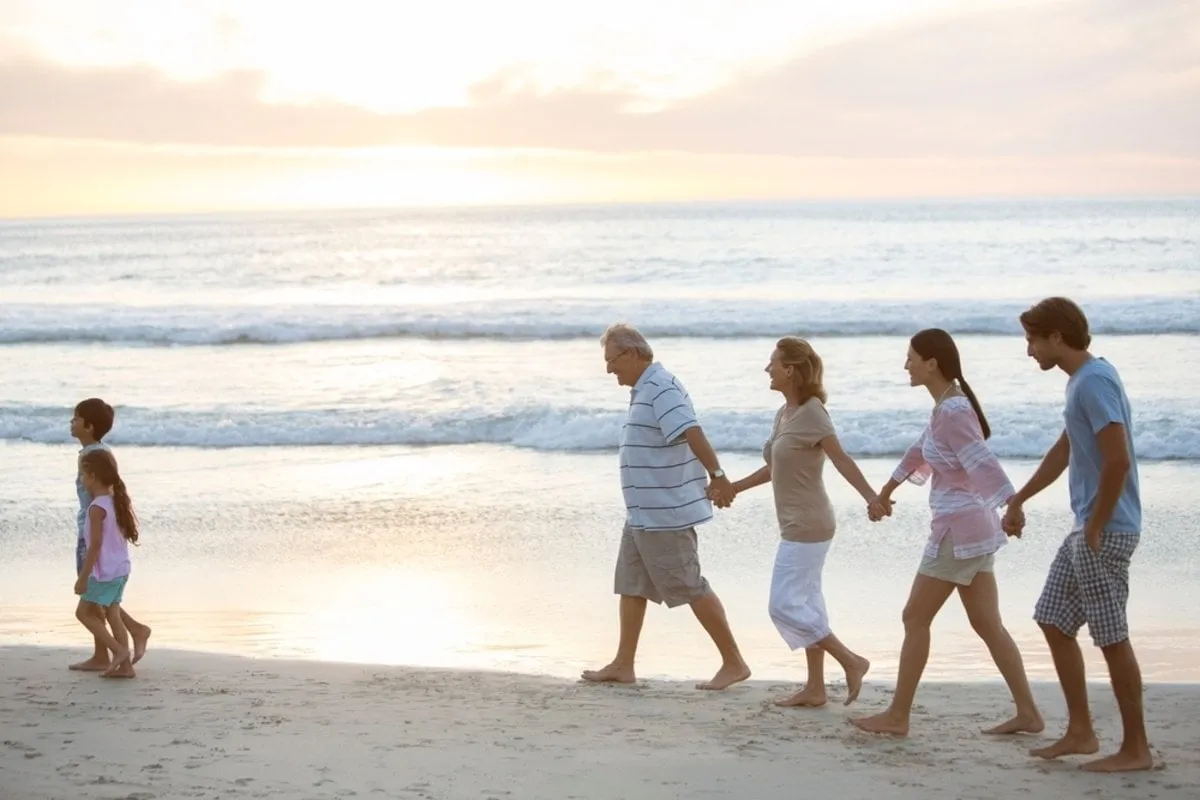
Family photography is the art of documenting relationships, personalities, and shared experiences through images. It can include traditional group portraits, candid photographs, lifestyle sessions, newborn photography, and everyday moments at home.
The goal is not simply to photograph several people in one frame. A successful family portrait should communicate how those people interact and what makes their relationship unique.
Less Time Editing, More Time Creating
Main Styles of Family Photography
The right style depends on the family, the location, and how formal or spontaneous the final photos should feel.
Documentary Family Photography
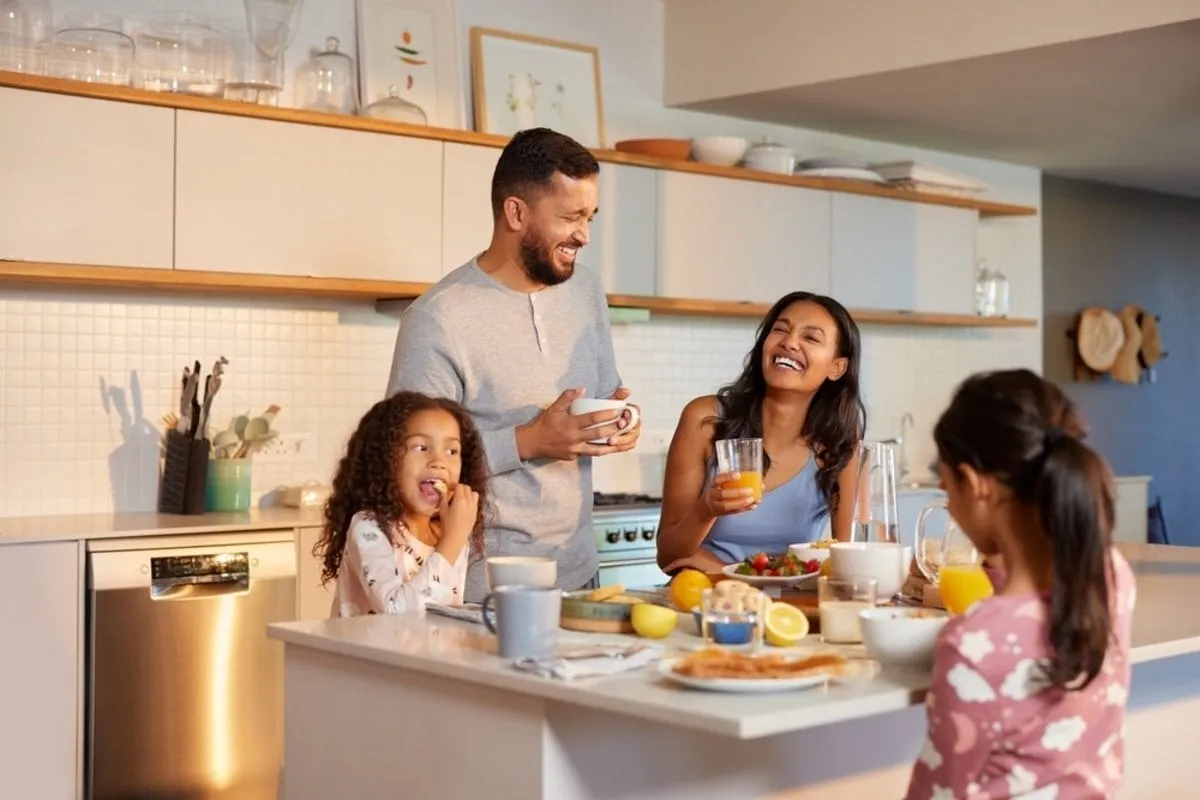
Documentary family photography captures life as it happens, with minimal direction from the photographer. A session might include breakfast, playtime, cooking, or a regular evening routine.
This approach works well for families who want candid family photos that feel honest rather than carefully arranged.
Posed Family Photography
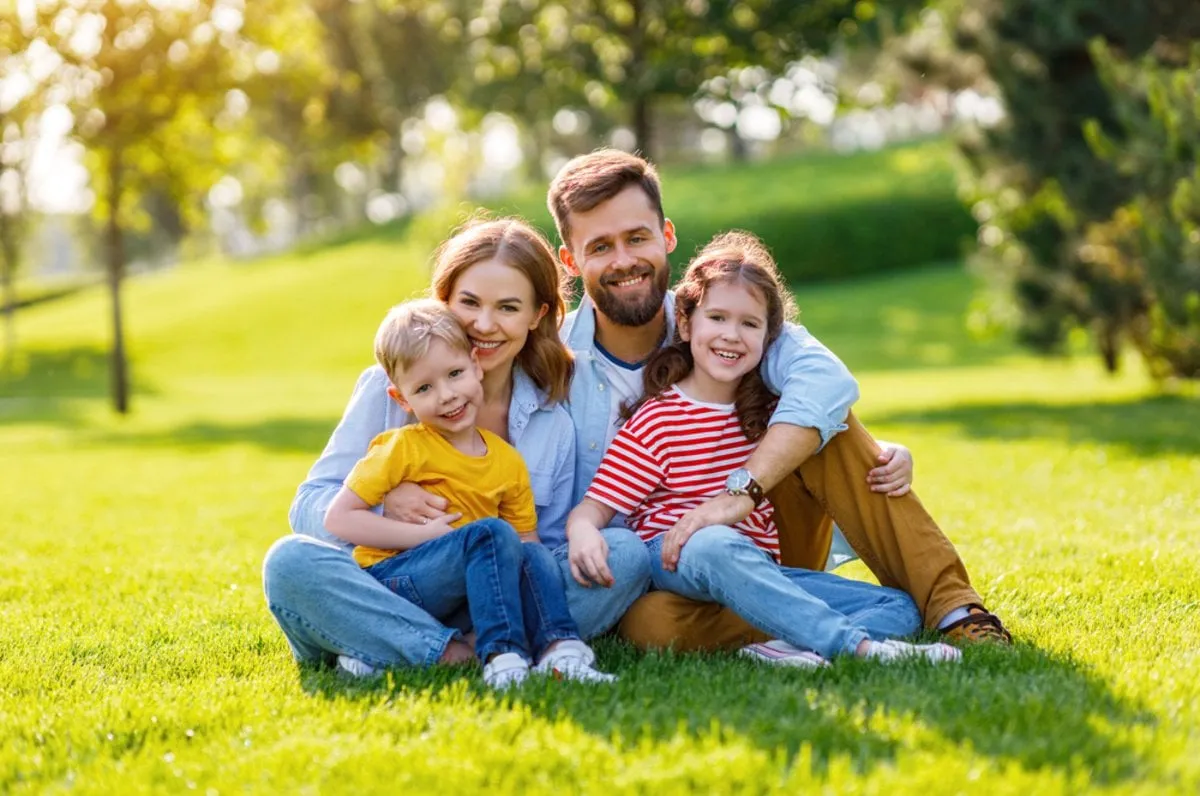
In posed family photography, the photographer directs where everyone stands, where they look, and how they interact.
Because the photographer controls the composition, lighting, and background, this style is ideal for formal portraits, holiday cards, and framed family photographs.
Lifestyle Family Photography
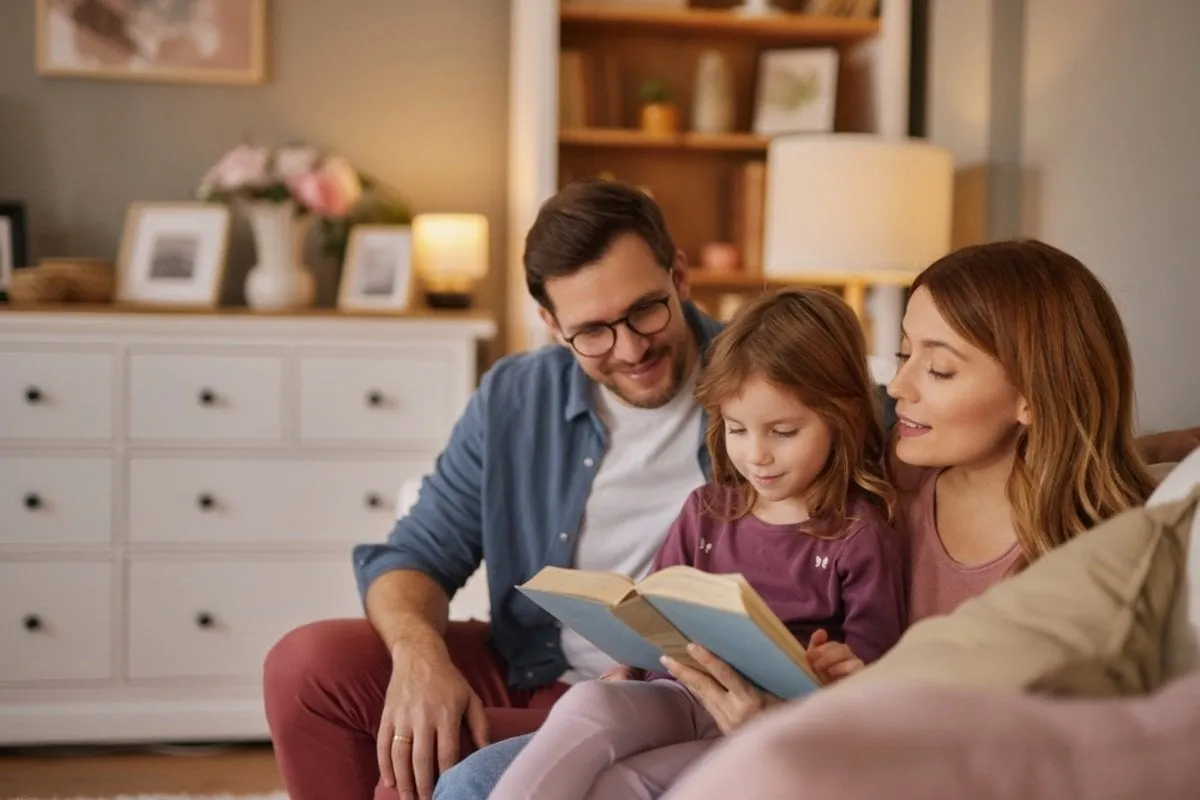
Lifestyle family photography combines natural interaction with gentle direction. The photographer may ask the family to sit near a window, walk together, or play with the children, but the expressions and connections remain spontaneous.
It is a popular choice for families who want polished photographs that still feel relaxed and authentic.
Studio Family Photography
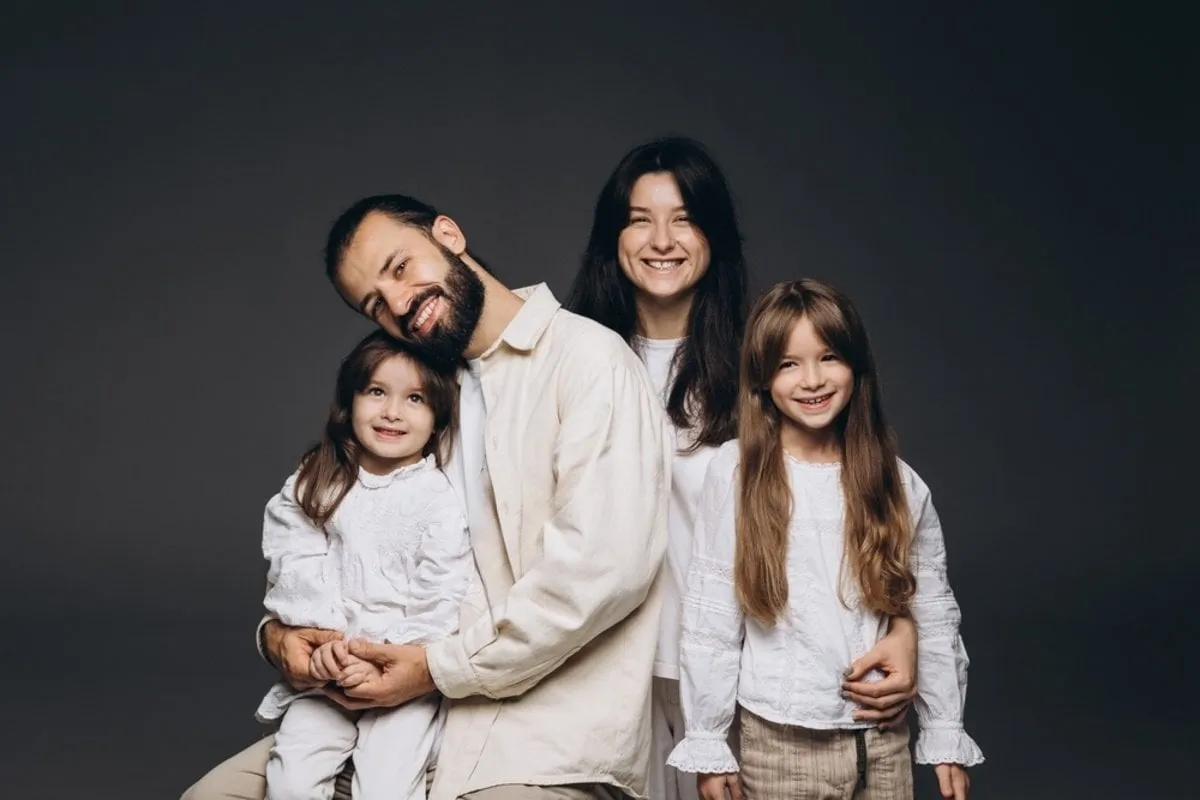
A studio provides consistent lighting, a controlled background, and protection from unpredictable weather.
Studio family photography works particularly well for formal portraits, newborn sessions, and milestone photographs. However, the photographer must still help everyone relax so that the final images do not appear stiff.
How to Prepare for a Family Photoshoot
Good preparation allows the photographer to spend less time solving technical problems and more time capturing genuine moments.
Before the session, discuss:
- The preferred photography style
- The number and ages of the participants
- The location and expected weather
- Clothing and color choices
- Any children’s routines or accessibility needs
- Whether pets will join the session
- The family’s expectations for the final gallery
Essential Equipment for Family Photography
A dependable camera and a versatile lens are enough for most family photoshoots. A 35mm, 50mm, or short telephoto lens can work well, depending on the available space and desired composition.
A wide-aperture lens is helpful in low light and can separate the family from the background. However, extremely wide apertures should be used carefully in group portraits because people standing at different distances may not all appear sharp.
Useful equipment may also include:
- Spare batteries and memory cards
- A reflector
- An external flash
- A tripod for formal or self-timed portraits
- A small toy or noisemaker for attracting a child’s attention
Elevate Your Photography with Our Advanced Software
Best Camera Settings for Family Photos
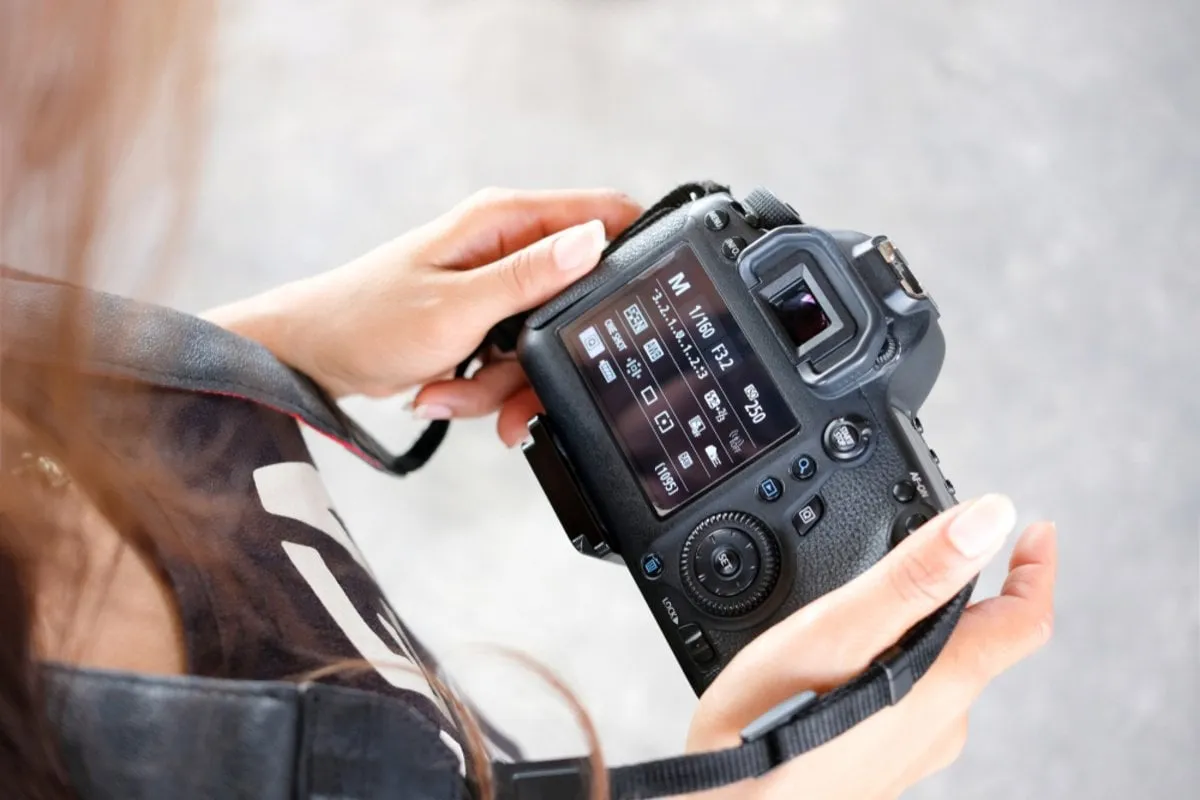
There is no single group of camera settings that works for every family photoshoot. Light, movement, group size, and focal length all affect the exposure.
|
Setting |
Recommended starting point |
When to adjust it |
|
Aperture |
f/2.8–f/4 for one person or a small group |
Use f/5.6–f/8 for larger groups or people standing on different focal planes |
|
Shutter speed |
1/250s |
Use 1/500s or faster for running and active children |
|
ISO |
ISO 100–400 outdoors |
Raise it when necessary to maintain a safe shutter speed |
|
Focus mode |
Continuous autofocus |
Use face or eye detection when the camera supports it |
|
File format |
RAW |
Choose RAW+JPEG if immediate sharing is required |
Keeping the ISO low can reduce noise, but avoiding motion blur is usually more important. A sharp photograph at a moderately high ISO is generally more useful than a blurry image captured at ISO 100.
Family Photoshoot Location Ideas
The best location is one where the family feels comfortable and has enough space to interact naturally.
- Home: Personal and familiar, making it ideal for lifestyle or documentary family photography.
- Local park: Offers natural light, open space, and several backgrounds within one location.
- Beach: Works well for playful, informal portraits, although wind and harsh reflections require attention.
- Botanical garden: Provides carefully maintained backgrounds, color, and texture.
- City streets: Suitable for modern portraits with architecture, murals, and geometric lines.
- Farm or orchard: Creates a warm seasonal setting, particularly during autumn.
Whenever possible, visit the location in advance and check the direction of the light, background distractions, accessibility, and photography restrictions.
What to Wear for Family Photos
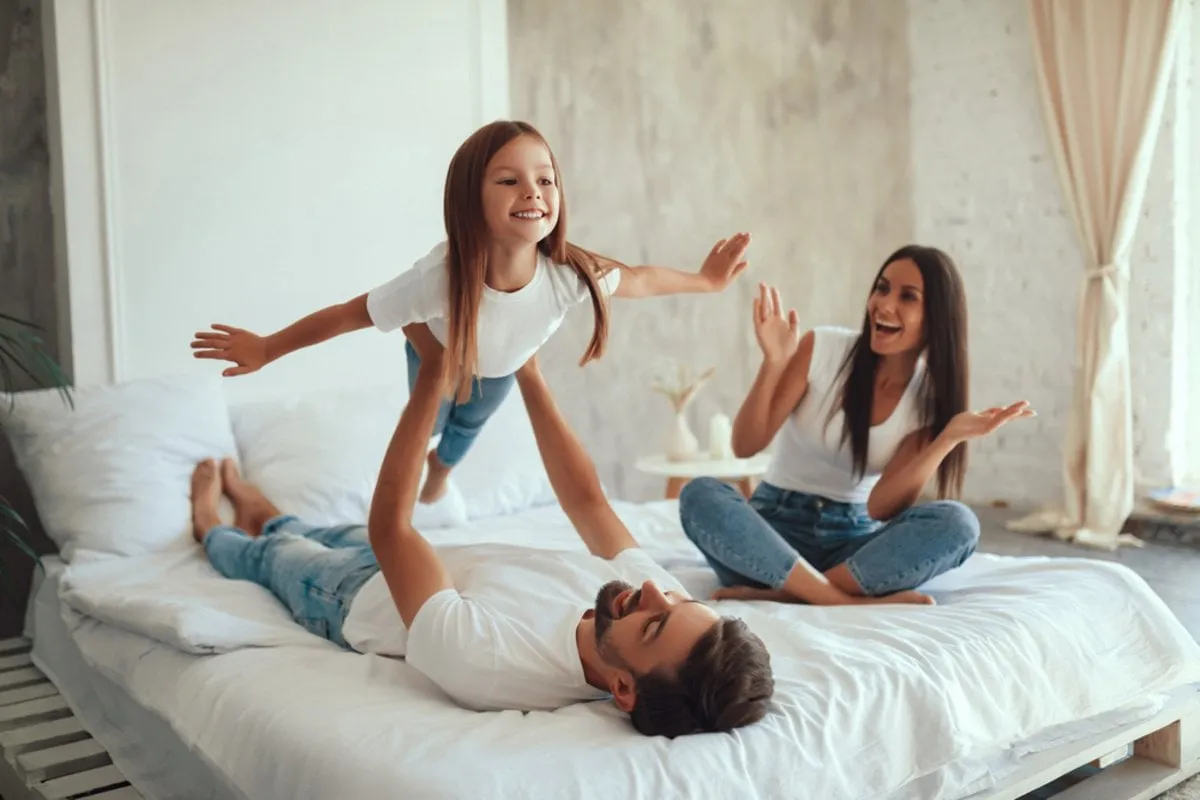
Family members do not need to wear identical outfits. Coordinated colors usually create a more natural and visually balanced result.
- Choose two or three complementary colors.
- Mix solid colors with subtle patterns and textures.
- Avoid large logos, neon colors, and distracting graphics.
- Consider how the clothing will look against the location.
- Prioritize comfort, especially for children.
- Bring an extra outfit for babies and young children.
The goal is to make the people—not their clothing—the focus of the family portrait.
How to Capture Natural Family Portraits
Natural family photos usually come from interaction rather than instructions to smile. Instead of controlling every gesture, create situations in which expressions can happen on their own.
Family Photography Tips for Genuine Expressions
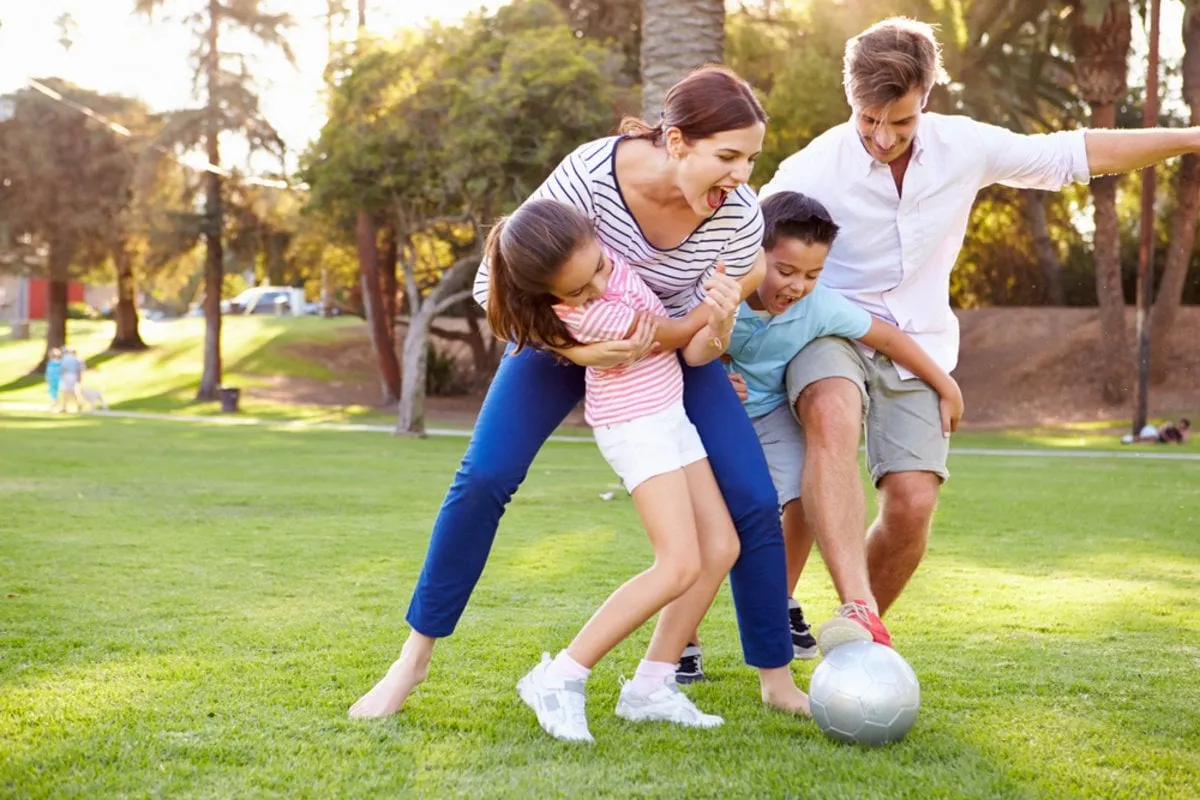
- Give the family an activity. Ask them to walk, play, dance, or tell one another a joke.
- Use simple prompts. “Look at the person who makes you laugh most” often works better than “Smile.”
- Photograph between poses. Some of the best candid family photos happen while people are changing position.
- Work at the children’s pace. Allow time for breaks rather than forcing constant cooperation.
- Change your perspective. Photograph at a child’s eye level or step back to include more of the environment.
- Watch the background. Check for bright distractions and objects that appear to grow out of someone’s head.
More practical ideas can be found in these tips for family photography.
Easy Family Photo Poses
A few simple family photo poses can give the session structure without making it feel overly formal.
- Walk together: Ask everyone to hold hands and walk toward or away from the camera.
- Create a group huddle: Bring faces closer together to create a sense of connection.
- Use a piggyback pose: This works well with younger children and often produces genuine laughter.
- Sit at different heights: Arrange the family on steps, a blanket, or a bench to create visual balance.
- Whisper a secret: Ask parents or children to whisper something funny to one another.
- Look at each other: Not every family portrait needs everyone looking directly at the camera.
For sessions that include babies, see this guide to getting started in infant photography.
How to Include Pets in Family Photos
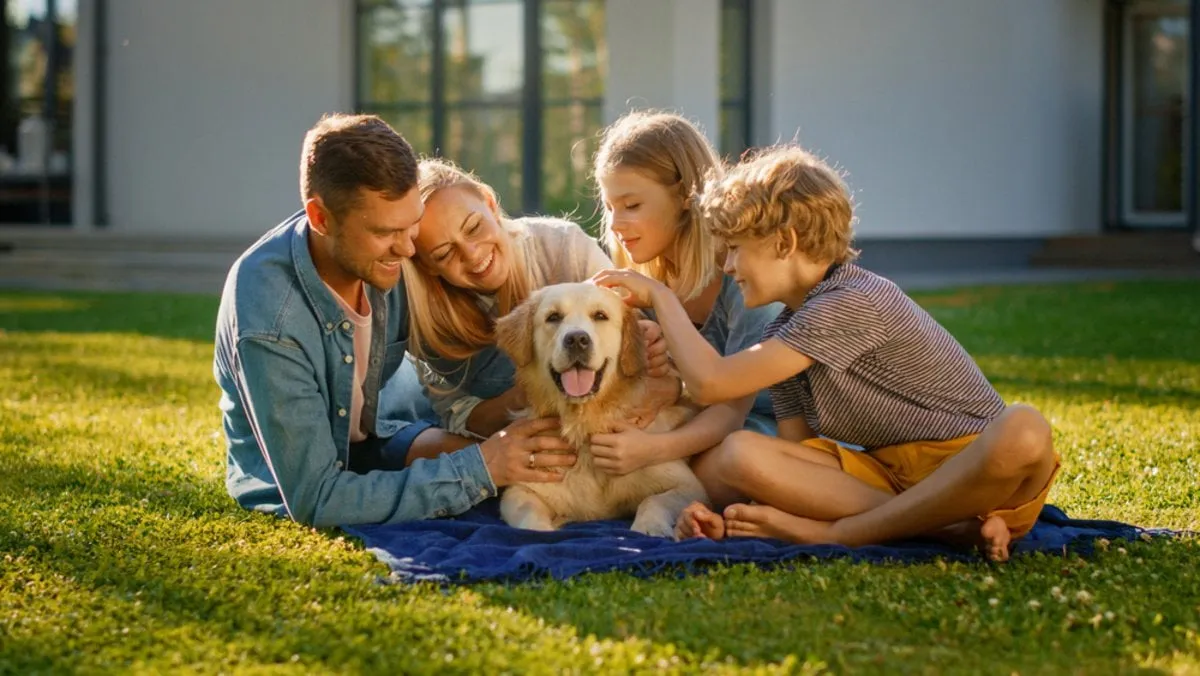
Pets can make family portraits more personal, but they also require preparation.
Choose a pet-friendly location and bring treats, water, waste bags, and a favorite toy. Photograph the main group portraits early, before the animal becomes tired or distracted. It is also helpful to have one person responsible for handling the pet between shots.
Transform Your Family Photos into Timeless Memories
How to Edit Family Photos
Family photo editing should improve exposure, color, and consistency without making people look artificial. Start by selecting the strongest images and applying basic corrections across the gallery.
With a family photo editor, you can:
- Correct exposure and white balance
- Recover highlight and shadow detail
- Crop distracting edges
- Remove unwanted background objects
- Reduce noise in low-light images
- Make subtle portrait adjustments
- Apply consistent color across the session
Edit skin tones carefully. Strong saturation, excessive smoothing, and aggressive sharpening can quickly make a family portrait look unnatural.
Popular Family Photo Editing Styles
Light and Airy
A light-and-airy edit uses soft contrast, bright tones, and clean colors. Increase exposure carefully while protecting highlight detail, then reduce heavy shadows and keep skin tones warm but natural.
Dark and Moody
Dark-and-moody family photos use deeper shadows, restrained colors, and stronger tonal contrast. Avoid simply underexposing the entire image; shape the shadows while keeping faces clear and properly exposed.
Vintage and Matte
A vintage edit usually combines muted colors, softer contrast, and slightly lifted blacks. In Luminar, the Mood tool and Curves can help create a film-inspired look without overwhelming the original photograph.
Black and White
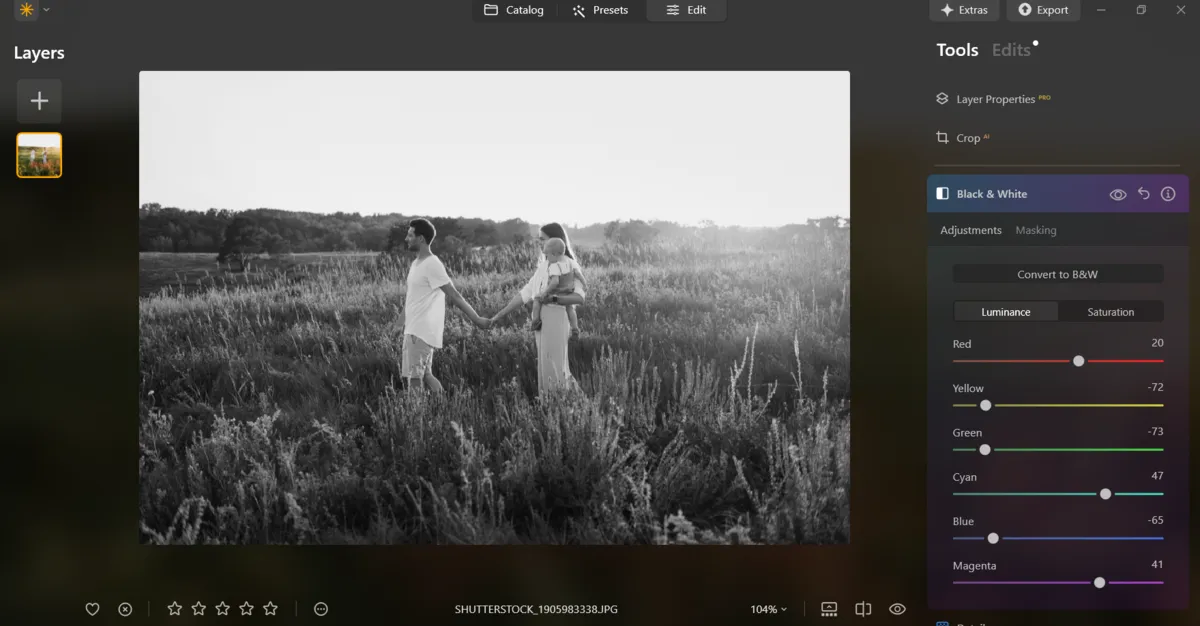
Black-and-white processing removes competing colors and directs attention toward expression, light, and connection. Adjust the individual color channels to control how different tones appear in the monochrome image.
Bold and Colorful
A colorful edit works well for playful outdoor sessions. Use Enhance AI and the Color tools in Luminar to improve contrast and vibrance, but check skin tones before increasing saturation.
How to Use Presets for Consistent Editing
Presets apply a saved combination of adjustments and provide a useful starting point for a family photo gallery.
They can help with:
- Establishing a consistent color palette
- Correcting photographs captured in similar light
- Creating a recognizable editing style
- Reducing repetitive adjustments
A preset should rarely be treated as a finished edit. Review exposure, white balance, contrast, and skin tones in every photograph after applying it.
Final Thoughts
Strong family photography combines preparation with flexibility. Reliable camera settings and simple poses provide structure, but the most meaningful photographs often happen between planned moments.
Choose a style that suits the family, create an environment where everyone feels comfortable, and edit the final images consistently. The result will be a collection of family portraits that feels polished without losing its honesty.