Picking the best retro digital camera often starts with design, but ends with how it changes your workflow.
There is something deeply satisfying about picking up a camera that feels like it belongs in another era. The textured grip, the physical dials, the weight in your hands, it slows you down in a way modern devices rarely do. Yet at the same time, these tools shoot sharp 40MP images and record high-quality video.
That contrast is exactly why retro digital cameras are growing so fast. People don’t just want better photos. They want a different shooting experience. This guide breaks down the best retro models right now and helps you figure out which one actually fits your style.
Exclusive Tools of Endless Possibilities in One Editor
Key Takeaways
- The Fujifilm X100VI combines a 40.2MP sensor, film simulations, and a compact design, making it the best all-around retro camera.
- The Nikon Zf offers full-frame image quality with modern autofocus and classic manual dials for a premium shooting experience.
- Retro models stand out because physical controls and tactile design create a more intentional and engaging shooting process.
- Affordable models like the Olympus OM-D E-M10 Mark IV and Nikon Z fc deliver strong performance without requiring a high budget.
- Choosing the right retro camera depends on sensor size, lens type, and whether you prefer in-camera film effects or post-processing flexibility.
Why Retro Cameras Are So Popular Right Now

Modern gear is powerful, but they also feel the same. Menus, touchscreens, automation, everything in a modern camera is designed for speed. Retro models are different.
They bring back:
- shutter speed dials
- aperture rings
- manual control
That is exactly why more photographers are choosing cameras that give a vintage look instead of fully automated systems. You think more. You slow down. You pay attention. That’s a big reason models like the Fujifilm X100VI keep selling out.
Best Retro Cameras for Image Quality
If image quality matters most, two cameras stand out right now. If you are looking for the best retro camera, this is where the real differences start to show.
The Fujifilm X100VI is easily the most talked-about option.
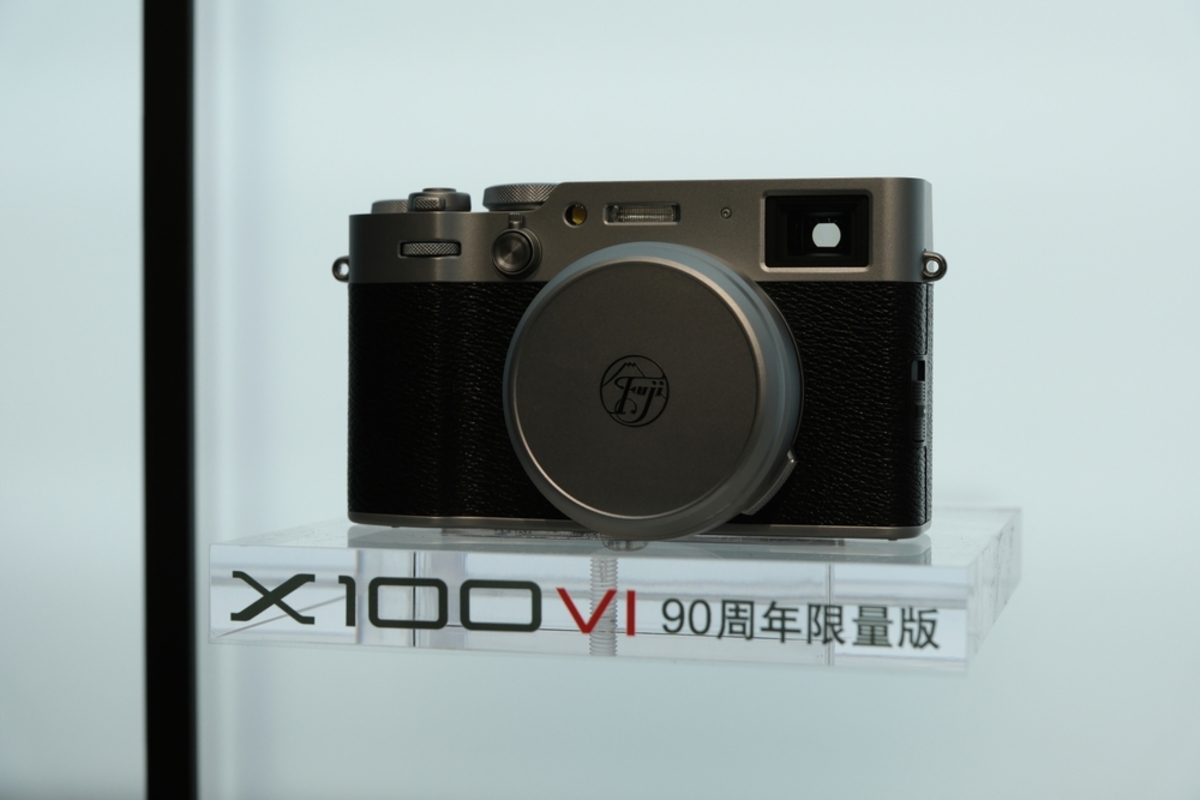
It uses a 40.2MP APS-C sensor and a fixed 23mm f/2 lens. On paper, that sounds limiting. In practice, it forces you to be more intentional with composition. If you want to push the look further, adding a subtle film grain effect can make the images feel even more analog. What really makes it special is the color.
Fujifilm’s film simulations produce JPEGs that often don’t need editing. You shoot, and the image already feels finished. It’s also more capable than previous versions. You get in-body stabilization, improved autofocus, and better subject tracking. It works for everyday photography, travel, and even some professional use.
The Nikon Zf takes a different direction.

It’s a full-frame body, which means better low-light performance and more depth in images. The design is inspired by old Nikon film cameras, but inside it runs modern hardware. It uses the EXPEED 7 processor, the same as Nikon’s high-end bodies. Autofocus is fast, reliable, and surprisingly modern for something that looks this vintage. If you care about both performance and experience, the Zf is hard to ignore.
Your AI-Powered Photo Editor for MacOS and Windows
Top Retro Cameras That Also Handle Video
Retro used to mean limited video. That’s no longer true. That makes it a strong option if you want the best camera for vintage photos and video without switching systems.
The Fujifilm X100VI records 6.2K video and supports advanced color profiles. For a compact camera, that’s impressive. It’s not just a photo tool anymore; it’s a hybrid.

The Fujifilm X-T4 is another strong option if video matters more.

It has interchangeable lenses and solid stabilization, which makes handheld shooting easier. The footage also has a softer, more cinematic look compared to some competitors.
Affordable Retro Cameras Worth It
Not everyone wants to spend $1,500+ on a camera. You do not need a premium model to find a camera that takes vintage photos with real character.
The Olympus OM-D E-M10 Mark IV is one of the best entry points.

It’s simple, lightweight, and still gives you that retro feel. The controls are easy to understand, which makes it great for beginners. Image quality is solid, especially in good lighting. And the built-in stabilization helps a lot if you’re still learning.
The Nikon Z fc sits slightly higher in price but adds more modern features.
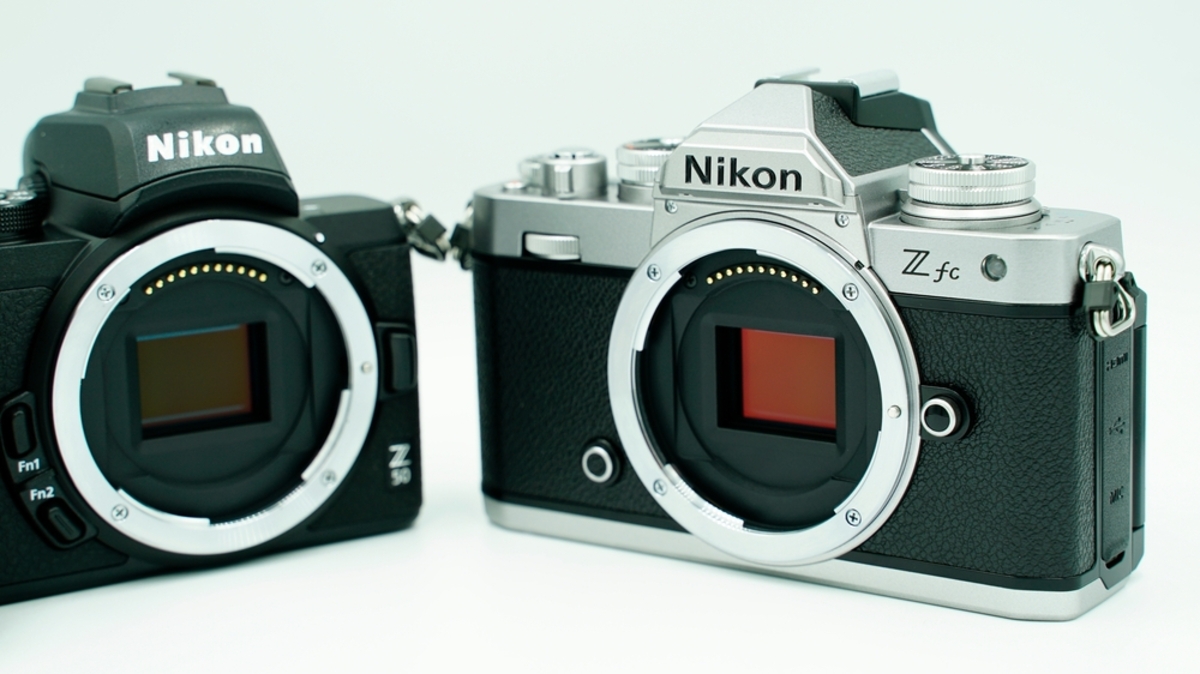
You get 4K video, good autofocus, and a flip screen. It’s clearly designed for people who want both aesthetics and practicality. Some photographers also pair this with photo restoration tools to bring older images back to life alongside new shots.
Finest Retro Cameras for Travel
Travel changes what you need from a setup. Many people end up looking for the best vintage digital camera that stays compact but still delivers strong results. Size and convenience start to matter more.
The Fujifilm X100VI is almost perfect here.

It’s compact, weather-resistant, and doesn’t require extra lenses. That alone makes it easier to carry every day. The built-in ND filter also helps in bright conditions, which you’ll run into often when traveling.
If you want something even smaller, the Ricoh GR IIIx is worth considering.
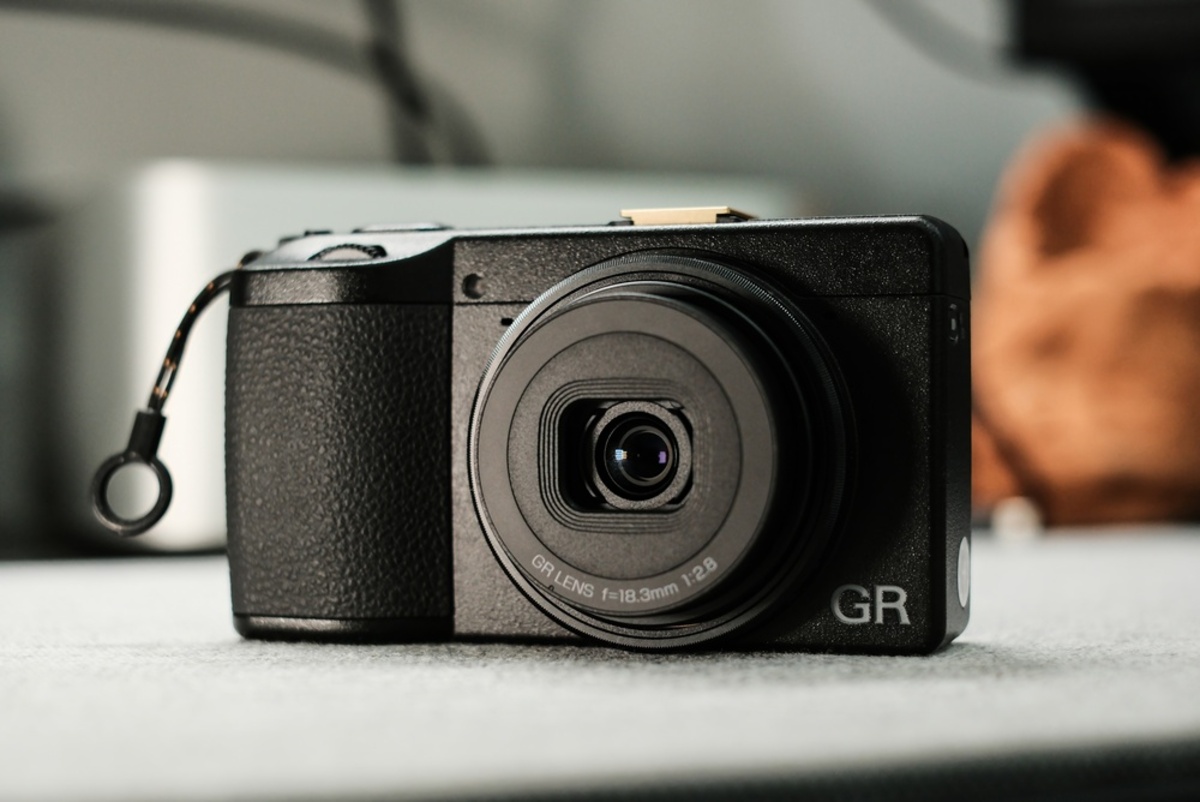
It fits in your pocket and still delivers strong image quality. It’s not as fast or feature-packed, but that’s part of its appeal.
Some photographers also look at older CCD cameras for travel. They’re cheap and produce unique colors. But reliability can be an issue, so it’s not always a safe choice.
Best Retro Cameras for Beginners and Learning
The physical controls make a big difference. You see how shutter speed, ISO, and aperture work together. It’s not hidden inside menus.
The Olympus OM-D E-M10 Mark IV is probably the easiest starting point. It has automatic modes, but also lets you take control when you’re ready.
The Nikon Z fc is another good option if you want something that feels more modern but still teaches the basics. You can also experiment with sepia filter effects to recreate classic tones without changing camera settings.

Elevate Your Photography with Our Advanced Software
How to Choose the Right Retro Camera
With so many options available, choosing the right camera for your situation comes down to a few practical questions. Many beginners start by asking what camera gives a vintage look, but the answer depends on more than just the body.
- Sensor size shapes the overall experience. Micro Four Thirds cameras are lighter and cheaper to accessorize. APS-C options improve low-light performance and background blur. Full-frame bodies like the Nikon Zf deliver the widest dynamic range but add cost and weight.
- Fixed versus interchangeable lenses matter for how you shoot. The X100VI’s fixed 35mm-equivalent focal length is a creative constraint that many photographers find freeing. Interchangeable-lens cameras give you flexibility at the cost of a heavier, more expensive kit.
- In-camera look versus post-processing reflects your editing habits. Fujifilm’s film simulations produce finished JPEGs that need almost no editing. If you prefer shooting RAW and crafting the vintage aesthetic yourself, the Nikon Zf’s files are among the most malleable available.
- The budget ultimately decides. Under $700, the Olympus E-M10 Mark IV is unbeatable for value. At $1,000, the Nikon Z fc is sufficient for all needs. At $1,599, the Fujifilm X100VI is the choice for those who know exactly what they want. At $1,799 or more, the Nikon Zf is in a class of its own as a full-frame retro option.
The Real Reason People Choose Retro Cameras
Retro digital cameras offer a modern sensor, fast autofocus, and good video capabilities within a body that encourages thoughtful shooting and makes it more enjoyable. The Fujifilm X100VI is the benchmark compact, Nikon Zf is the benchmark full-frame, and the Olympus OM-D E-M10 Mark IV is the benchmark for accessible quality.
Whether you are upgrading from a smartphone or returning to photography after years away, there has never been a better selection of cameras built to revive classic style without sacrificing a single modern capability.