Turning photography from a hobby into a business takes more than taking great pictures. You need to choose a market, understand your costs, build a portfolio, find clients, manage projects, and create a workflow that lets you deliver consistent work.
The good news is that you don’t need a huge studio, an expensive gear collection, or a large team to get started. A clear niche, a strong portfolio, reliable equipment, and a practical business system can give you a solid foundation.
In this guide, we’ll walk through the essential steps for starting a photography business, from choosing your specialty and setting prices to marketing your services and managing client expectations.
Don’t feel like reading the whole breakdown? We’ve pulled together a quick summary below.
Key Takeaways
- Choose a photography niche that matches your skills, interests, and potential clients.
- Research local business registration, tax, licensing, insurance, and contract requirements before taking paid work.
- Build a focused portfolio that reflects the type of photography you want to sell.
- Buy only the equipment you need for your current assignments and upgrade as your business grows.
- Calculate your operating costs before setting photography prices.
- Use a consistent brand identity across your website, portfolio, and social media.
- Create clear contracts, delivery timelines, and communication processes for every client.
- Build an efficient editing and file-management workflow so you can spend less time on repetitive tasks.
1. Choose Your Photography Niche

One of the first decisions you’ll make is what type of photography business you want to build.
Photography is a broad field. You might specialize in weddings, portraits, family photography, corporate events, products, real estate, food, sports, interiors, or commercial work. You can also sell prints or license images rather than primarily working with clients.
You don’t necessarily have to choose one category forever. However, having a clear starting point makes it easier to create a portfolio, define your ideal client, and communicate what you offer.
Consider three questions:
- What do you enjoy photographing? A business built around work you genuinely enjoy is easier to sustain.
- What are you good at? Think about your technical strengths, visual style, and ability to work with people.
- What does your target market need? Research the types of photography clients in your area or online are willing to pay for.
Your niche can also influence your equipment, pricing, marketing channels, and editing workflow. A wedding photographer, for example, has very different requirements from a product photographer.
Create a Simple Business Plan
Before investing heavily in equipment or advertising, write down the basics of your business:
- Your photography niche
- Your target clients
- Services and packages
- Expected startup costs
- Ongoing monthly expenses
- Pricing strategy
- Marketing channels
- Revenue goals
- Short-term and long-term objectives
You don’t need a 50-page document. A simple plan can help you identify expenses and priorities before you start spending money.
Your AI-Powered Photo Editor for MacOS and Windows
2. Check the Legal Requirements

Legal requirements for a photography business depend on where you live and how your business is structured. There is no single registration process that applies to every photographer.
Before accepting paid work, check the requirements in your country, state, province, or municipality. Depending on your location, you may need to deal with:
- Business registration
- Business name registration
- Local licenses or permits
- Tax registration and reporting
- Business insurance
- Contracts and service agreements
- Model or property releases where applicable
- Privacy and data-protection requirements
Your business structure also matters. Depending on the jurisdiction, options may include operating as an individual or sole proprietor, forming a partnership, or creating a limited-liability company or another legal entity.
Don’t assume that another photographer’s setup will work for you. Regulations, taxes, and reporting obligations vary by location, so consult your local government resources and, when necessary, an accountant or attorney.
Keep Your Business Records Organized
Good financial records are useful for more than tax preparation. They help you understand whether your photography business is actually profitable.
Track income and expenses such as:
- Camera and lighting equipment
- Computer and storage
- Editing software
- Website and hosting
- Advertising
- Studio or location costs
- Travel
- Insurance
- Professional services
- Education and training
Keep receipts and other supporting documentation according to the recordkeeping requirements that apply to your business. The IRS, for example, notes that records should clearly support business income, expenses, and tax-return entries.
3. Build a Portfolio That Sells Your Services

Your portfolio is one of your most important sales tools. Potential clients want to know what their photographs could look like if they hire you.
That means your portfolio should show the kind of work you want to be paid for.
If you want to photograph weddings, prioritize wedding-related images. If you’re targeting corporate clients, show events, team portraits, interiors, products, or other relevant commercial work.
Curate, Don’t Just Collect
A portfolio doesn’t need hundreds of photographs. A smaller collection of strong, consistent images is usually more effective than a huge gallery containing everything you’ve ever photographed.
When selecting images, ask:
- Does this image represent my current style?
- Is the technical quality strong?
- Does it appeal to my target client?
- Does it show something I want to photograph again?
- Does it add something different from the other images?
Remove photographs that are technically weaker or don’t fit your current direction, even if you are personally attached to them.
Use Consistent Editing
Editing is part of your visual identity. Exposure, color, contrast, skin tones, and overall mood should feel reasonably consistent across a portfolio.
Tools such as Luminar can help streamline routine editing while still giving you control over the final image. Its current workflow includes RAW editing, layers, masks, AI-powered enhancements, and other tools that can be useful when processing a large collection of client photographs.
The goal isn’t to make every photograph look identical. It’s to make your portfolio feel cohesive.
Create a Professional Online Presence
At minimum, consider having:
- A simple portfolio website
- A contact method
- A clear description of your services
- Your location or service area
- Selected galleries
- Starting prices or package information, if appropriate for your business
- Client testimonials, when available
Social media can support your website, but it shouldn’t be the only place where potential clients can find your work.
4. Choose Cameras, Lenses, and Accessories

Starting a photography business can become expensive very quickly if you buy equipment before you understand what your clients actually need.
Your first goal isn’t to own every lens and accessory. It’s to have reliable equipment that lets you deliver the services you sell.
Start With the Essentials
Your equipment might include:
- A dependable camera body
- One or two lenses suited to your niche
- Spare batteries
- Memory cards
- A reliable storage and backup solution
- Basic lighting equipment, if your work requires it
- A sturdy tripod when appropriate
The exact combination depends on your specialty.
A portrait photographer may prioritize fast prime lenses and lighting. A real estate photographer may need a wide-angle lens and tripod. An event photographer may value versatile zoom lenses, spare batteries, and backup equipment.
Don’t Confuse Expensive Gear With a Business Plan
A newer camera doesn’t automatically produce better business results.
Before buying equipment, ask:
- Will this solve a problem I regularly encounter?
- Will it improve the type of work I’m selling?
- Can I afford it without putting pressure on the rest of the business?
- Could I rent the equipment when I need it instead?
As your client base grows, reinvest part of your revenue into equipment that addresses real business needs.ry.
5. Build Your Brand Identity

Your brand is more than a logo. It is the overall impression clients get from your photography, website, communication, pricing, and customer experience.
Start by defining the type of client you want to attract.
For example, a photographer working with luxury weddings may choose a very different visual identity and communication style from a photographer specializing in family sessions or corporate events.
Think about:
- Your visual style
- Your brand voice
- Your ideal client
- Your color palette and typography
- Your website design
- Your social media presentation
- The experience you want clients to associate with your business
Consistency matters more than complexity. You don’t need an elaborate branding system to look professional.
Your photographs themselves should remain the most important part of the visual identity.
Elevate Your Photography with Our Advanced Software
6. Set a Sustainable Photography Pricing Structure

Pricing is one of the hardest parts of starting a photography business. Many new photographers make the mistake of looking only at what competitors charge.
Market research is useful, but your prices also need to cover your own costs and the time required to complete the work.
Remember that a one-hour photo session rarely means only one hour of work. Your total time may include:
- Client communication
- Planning
- Travel
- Setup
- Shooting
- Image selection
- Editing
- Exporting and delivery
- Backups
- Invoicing
- Marketing and administration
Calculate Your Costs
List your recurring and project-based expenses, then estimate how much time you spend on a typical assignment.
A simple pricing calculation can start with:
Business costs + desired income + taxes/financial obligations + profit = required revenue
Then consider how many paid assignments you realistically expect to complete.
Your pricing doesn’t have to be perfect from day one. Review it regularly as your experience, costs, demand, and services change.
Consider Packages
Packages can make your offer easier to understand.
Depending on your niche, you might offer different combinations of:
- Shooting time
- Number of final images
- Additional locations
- Prints or albums
- Retouching
- Rush delivery
- Additional coverage
Keep the differences between packages clear. Clients should understand what they are paying for before they book.
7. Learn Sales and Networking

Being a good photographer doesn’t automatically bring clients. You also need to make it easy for potential customers to understand your services and decide whether you’re the right person for their project.
Make Your Offer Easy to Understand
Instead of simply saying, “I’m a photographer,” explain what you do and who you serve.
For example:
- Wedding photographer specializing in intimate outdoor ceremonies
- Corporate event photographer serving local businesses
- Product photographer for small e-commerce brands
- Portrait photographer creating natural lifestyle sessions
Specific positioning helps people understand why they should contact you.
Build Relationships
Networking can happen online and offline. Depending on your niche, useful contacts may include:
- Event planners
- Wedding vendors
- Marketing agencies
- Local businesses
- Designers
- Real estate professionals
- Other photographers
- Models and creatives
Don’t treat every interaction as a sales pitch. Long-term professional relationships can lead to referrals, collaborations, and repeat work.
Ask for Reviews and Referrals
When a client is genuinely happy with your work, make it easy for them to leave a review or recommend you.
Testimonials can provide valuable social proof, particularly when you’re still building your reputation.
8. Manage Client Expectations

Good communication prevents many problems before they happen.
Before a project begins, make sure the client understands what they’re purchasing and what the process looks like.
A written agreement should address the terms relevant to your work and jurisdiction. Depending on the assignment, this may include:
- Services provided
- Date, location, and duration
- Fees and payment schedule
- Cancellation or rescheduling terms
- Image delivery
- Editing or retouching
- Usage and licensing rights
- Copyright
- Additional costs
- Liability or other relevant terms
For commercial, wedding, event, and portrait photography, the appropriate contract terms can differ considerably.
Set Clear Delivery Expectations
Don’t promise a delivery time simply because you hope to finish quickly.
Estimate how long the complete workflow takes, including backup, culling, editing, export, and delivery. Then give the client a realistic timeline.
If something changes, communicate early rather than waiting until the deadline has passed.
Professionalism isn’t just about producing good photographs. It’s also about being predictable and reliable.
9. Create an Efficient Photography Workflow

As your photography business grows, inefficient processes can consume as much time as shooting itself.
Create a repeatable workflow for every assignment.
A basic workflow might look like this:
Inquiry → Booking → Planning → Shoot → Backup → Selection → Editing → Export → Delivery → Archive
Organize Your Files
Create a consistent folder structure and naming system. For example, you might organize projects by:
Year → Client → Project → RAW → Selects → Exports
The exact structure doesn’t matter as much as using the same system consistently.
Back Up Your Work
Client photographs are valuable business assets. Don’t rely on a single copy stored on your computer or memory card.
Develop a backup routine that protects original files and completed projects from hardware failure, accidental deletion, theft, or other problems.
Streamline Editing
Post-processing can take a substantial amount of time, particularly for weddings, events, and other high-volume assignments.
A RAW editor such as Luminar can help with tasks such as developing RAW files, making global adjustments, refining selected areas with masks, and applying consistent edits across a series.
The important point is to create a repeatable workflow rather than editing every image from scratch.
10. Manage Your Time and Avoid Burnout
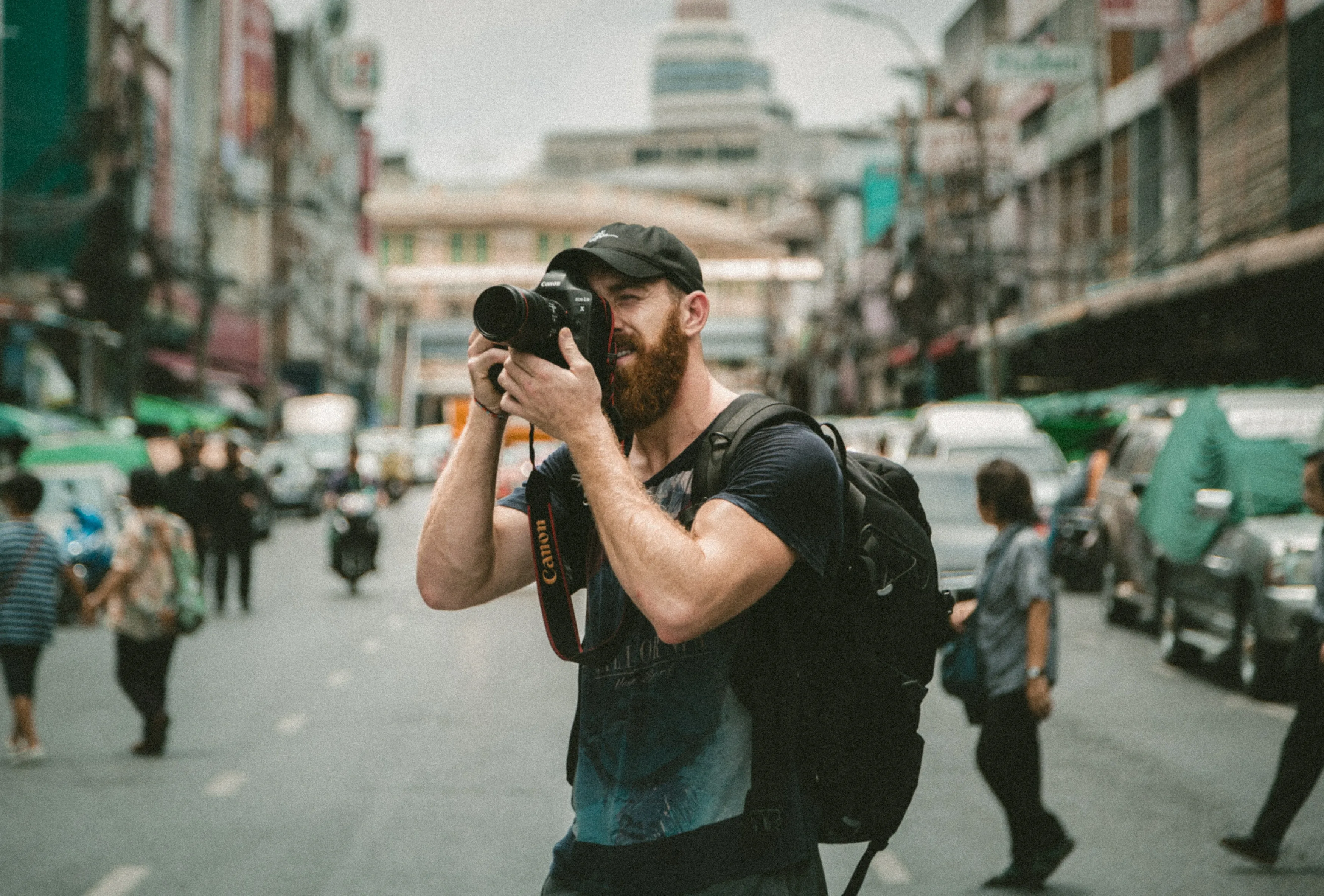
Running a photography business means balancing creative work with administration.
You may spend one day shooting and the next answering emails, editing photographs, preparing invoices, updating your website, and planning social media content.
A simple schedule can help keep these tasks from competing with one another.
Consider setting aside dedicated blocks of time for:
- Client communication
- Shooting
- Editing
- Administration
- Marketing
- Financial tasks
- Equipment maintenance
- Professional development
Don’t Overbook Yourself
When you calculate how many assignments you can accept, remember that shooting isn’t your only responsibility.
Leave enough time for editing, communication, unexpected delays, and personal time.
Taking on more clients than you can realistically handle may increase short-term revenue while damaging quality and client relationships.
Exclusive Tools of Endless Possibilities in One Editor
Common Mistakes When Starting a Photography Business
| Mistake | Better approach |
| Buying too much gear immediately | Buy equipment based on actual client needs |
| Showing every photo you’ve taken | Curate a focused portfolio |
| Copying competitors’ prices | Calculate your own costs and desired income |
| Working without written agreements | Use appropriate contracts and clearly defined terms |
| Promising unrealistic delivery times | Build timelines around your complete workflow |
| Relying on one backup | Maintain multiple copies of important files |
| Trying to serve everyone | Start with a clear niche and target audience |
| Spending all your time on social media | Balance marketing with client work and business operations |
| Underestimating editing time | Include post-processing in project estimates |
| Treating photography as only a creative job | Plan for sales, finances, administration, and customer service |
Final Thoughts
Starting a photography business means becoming more than a photographer. You also become responsible for pricing, marketing, client communication, finances, contracts, file management, and your overall customer experience.
You don’t need to build everything at once. Start with a clear niche, a focused portfolio, dependable equipment, realistic pricing, and a workflow you can maintain. As your client base grows, you can refine your brand, expand your services, invest in new equipment, and improve your processes.
And don’t overlook post-processing. Consistent editing is an important part of delivering a recognizable visual style, and modern tools such as Luminar can help reduce repetitive work while leaving room for creative decisions.
The goal isn’t simply to take more photographs. It’s to build a photography business that is organized, financially sustainable, and capable of delivering work your clients value.
Frequently Asked Questions
There is no universal startup cost. Your budget depends on the equipment you already own, your niche, location, insurance, software, marketing, and other business expenses. Start with the equipment and services you actually need rather than trying to build a complete professional studio immediately.
It depends on your location and business structure. Some photographers may need specific registrations, licenses, or permits, while requirements differ between jurisdictions. Check with the relevant local authorities before starting paid work.
There is no single best niche. Choose an area that matches your skills and interests while also having a viable market. Research local demand, competitors, pricing, and the type of clients you want to work with before committing.
Quality is more important than quantity. A focused portfolio containing your strongest and most relevant images is generally more useful than a large collection of inconsistent work. Choose enough photographs to demonstrate your style, technical ability, and the services you want to sell.
Usually, no. Start with reliable equipment that can handle the work you currently offer. Upgrade when a specific business need justifies the expense, and consider renting specialized equipment for occasional assignments.