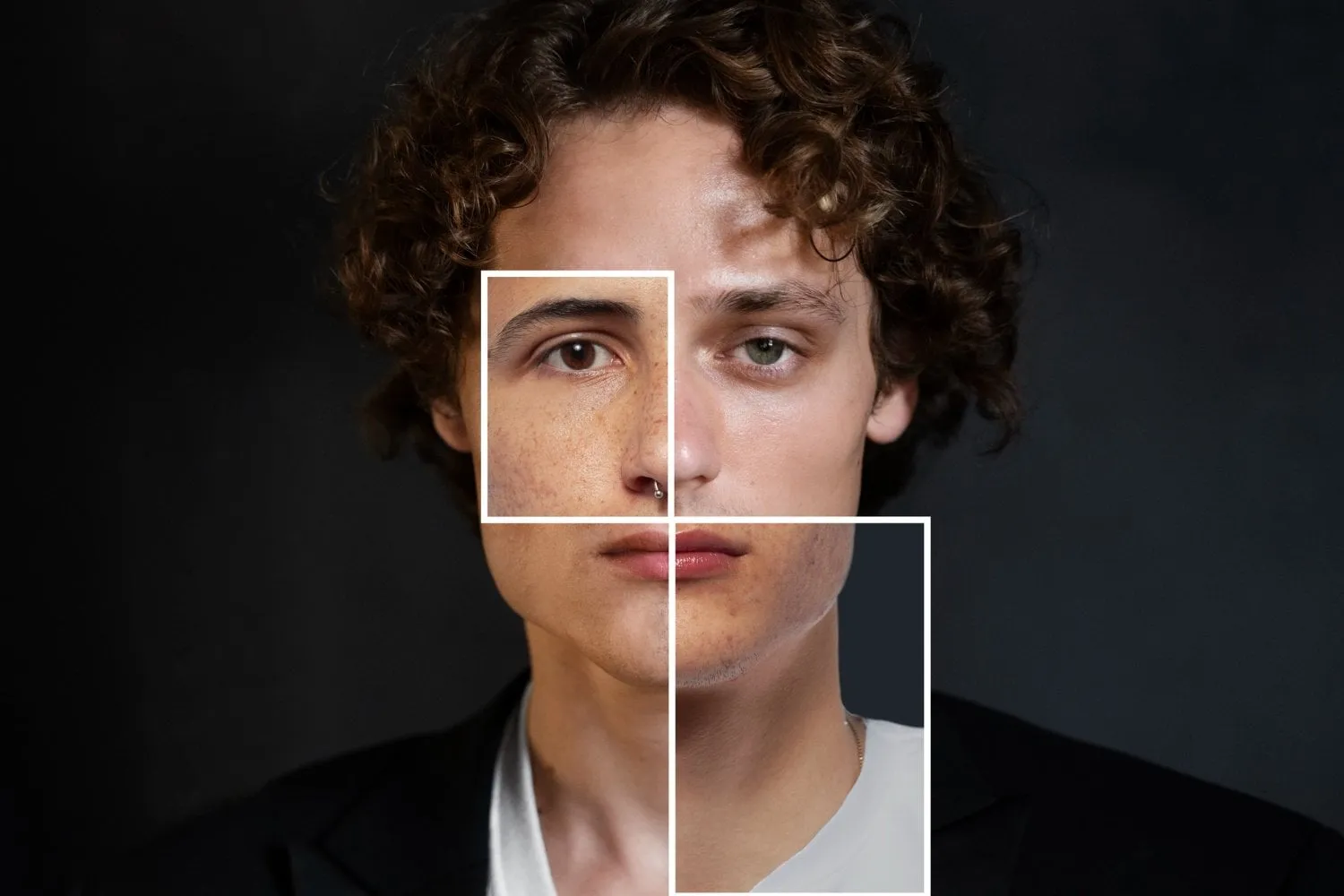
You’ve probably seen a video of a public figure doing or saying something that felt off. There’s a good chance it wasn’t real — it may have been a deepfake.
This guide explains what deepfakes are, how they’re reshaping photography and video, where the line between creative tool and harmful misuse sits, and what the law currently says about it.
Don’t feel like reading the whole breakdown? We’ve pulled together a quick summary below.
Key Takeaways
A deepfake is synthetic media, created using deep learning, that makes it look like someone said or did something they didn’t.
Deepfakes range from harmless entertainment and creative art to serious harms like fraud, harassment, and political disinformation.
The visual cues once used to spot deepfakes — odd blinking, lip-sync mismatches — are increasingly unreliable against modern AI-generated content.
The U.S. federal TAKE IT DOWN Act, in force since May 2026, requires platforms to remove non-consensual intimate deepfake imagery within 48 hours of a valid request.
Nearly 40 U.S. states have their own deepfake-related laws, and enforcement is still evolving, including court challenges on free-speech grounds.
Getting consent before using someone’s likeness, and disclosing when content is AI-generated, are the baseline standards for responsible use.
What Is a Deepfake?
A deepfake is a video, image, or audio clip that has been digitally altered or generated using AI, typically deep learning models, to make it appear that someone said or did something they didn’t. The term combines “deep learning” with “fake.” Some deepfakes are made for entertainment — putting a celebrity’s face into an unexpected scene or scripting an amusing fake quote — which is largely harmless when done transparently and with consent.
In photography and art, deepfake-adjacent AI tools give creators a way to blend real and generated elements — placing a historical figure in a modern setting, or merging scenes that couldn’t otherwise coexist. Used transparently, this is a legitimate creative technique. Used to deceive, it becomes something else entirely.
Exclusive Tools of Endless Possibilities in One Editor
The same technology that makes a fun mashup possible can also put false words in someone’s mouth at scale. A convincing fake video of a public figure saying something they never said isn’t just confusing — it can shape public opinion based on fabricated content.
Deepfakes raise serious concerns in several areas:
Privacy and harassment. A person’s face or voice can be placed into a scenario they were never part of, which has been used to target and harass individuals — most severely through non-consensual intimate imagery.
Political disinformation. Fabricated clips of political figures can mislead voters, and this remains a fast-moving area of law and platform policy.
Fraud. Criminals have used deepfake audio and video to impersonate executives and family members in scams; one widely reported 2024 case involved a finance employee transferring over $25 million after a video call with deepfaked colleagues.
Erosion of trust in visual media. As synthetic content becomes harder to distinguish from real footage, verifying what you see online is becoming a necessary skill rather than an occasional precaution.
What the Law Says
Deepfake regulation has moved quickly. The federal TAKE IT DOWN Act, signed into law in May 2025, is the first U.S. federal law specifically targeting non-consensual intimate imagery, including AI-generated deepfakes. Its platform compliance requirements took effect in May 2026: covered platforms must remove reported non-consensual intimate content within 48 hours, and the FTC enforces compliance. The first criminal conviction under the law came in April 2026.
The DEFIANCE Act, advancing through Congress in early 2026, complements this by letting victims file civil lawsuits against people who create or distribute harmful deepfake content. Separately, close to 40 U.S. states have enacted their own deepfake-related laws, though not all have held up — courts have struck down some state election-deepfake laws on First Amendment grounds, so this area is still actively developing.
Elevate Your Photography with Our Advanced Software
If you’re a photographer, filmmaker, or content creator experimenting with AI-generated likenesses, a few practices keep the work on the right side of the line:
Get consent before using someone’s likeness, even for something you consider harmless or funny.
Disclose AI-generated content rather than presenting it as authentic footage.
Consider the impact, not just the intent — content that seems like a joke to you can still damage someone’s reputation.
Spotting a Deepfake Today
Older detection advice — watch for unnatural blinking, mismatched lip sync, odd lighting or shadows, blurry edges around faces — can still flag lower-quality fakes. But research from 2025 found that most people can no longer reliably tell modern AI-generated video from real footage using visual cues alone; the generators have simply gotten too good.
Because of that, verification matters more than visual inspection:
Check whether the content comes from a source with a track record of accuracy.
Look for independent confirmation from other outlets before trusting anything that seems designed to provoke a strong emotional reaction.
Use reverse image or video search tools to check whether footage has been taken out of context.
Treat dedicated deepfake-detection tools as a helpful signal, not a guarantee — even automated detectors miss content regularly.
Your AI-Powered Photo Editor for MacOS and Windows
Ethical, transparent AI editing looks different from deepfake deception — the goal is enhancing a real photo, not fabricating a false one. Luminar is Skylum’s AI-powered photo editor for macOS and Windows, built for tasks like enhancing landscapes, retouching portraits, and removing unwanted elements from a frame.
Its background removal tool isolates a subject from its background, which is useful for composites or clean product-style shots. Its AI photo extender, GenExpand, extends the edges of a photo to add context or breathing room around a subject without materially changing what the original image depicts.
Used this way, AI editing enhances a photo you actually took rather than fabricating a scene that never happened — a distinction worth keeping in mind as these tools keep getting more capable.
Conclusion
Deepfakes sit at an uncomfortable intersection of creative tool and serious risk. The technology itself isn’t the problem — how it’s used is. Get consent, disclose AI-generated content, and stay skeptical of anything designed to provoke a strong reaction before you share it. If you’re using AI to enhance your own photography, tools like Luminar are built for improving real images, not fabricating false ones — a distinction worth holding onto as the technology keeps advancing.
Frequently Asked Questions
Is creating a deepfake illegal?
It depends on what’s created and how it’s used. Non-consensual intimate deepfake imagery is now illegal under the federal TAKE IT DOWN Act and many state laws. Parody, satire, and consensual creative work generally fall outside these restrictions, though state laws vary.
Can I tell if a video is a deepfake just by watching it?
Increasingly, no. Visual tells that worked on older deepfakes are far less reliable against current AI-generated video. Source verification and independent confirmation are more effective than visual inspection alone.
Do I need permission to make a deepfake of someone I know?
Yes, if you want to stay on the safe side ethically and often legally. Get explicit consent before creating content that uses someone’s likeness, especially anything that could be mistaken for real footage.
What’s the difference between deepfake technology and normal AI photo editing?
The distinction is usually intent and transparency. Editing tools that enhance or extend a real photo you took are generally treated differently from tools used to fabricate a scene or statement that never happened and present it as authentic.
What should I do if I find a non-consensual deepfake of myself online?
Under the TAKE IT DOWN Act, covered platforms must remove reported non-consensual intimate imagery within 48 hours of a valid request. Report the content directly to the platform, and consider contacting the FTC if a platform fails to comply.
Subscribe to know first
Our delivery owl will bring you our best deals and news about Skylum news.