Find the best travel tripod for sharp photos without adding unnecessary weight to your bag. Compare five portable options based on stability, size, height, and load capacity.
A good travel tripod can make a noticeable difference when you need sharp images, longer exposures, or a carefully composed self-portrait away from home. It gives your camera a stable platform for low-light photography, landscapes, city scenes, architecture, astrophotography, and time-lapse work. It can also be useful when you want to photograph yourself without asking someone else to take the picture.
The challenge is finding the right balance. A tripod that is extremely light may sacrifice some stability, while a larger model can become inconvenient to carry. The best travel tripod is therefore not necessarily the biggest or strongest one. It is the model that provides enough support for your camera while remaining practical enough that you will actually take it with you.
In this guide, we’ll look at five current travel tripod options and compare the characteristics that matter most, including weight, folded size, maximum height, load capacity, materials, and portability.
Once you’ve captured your images, you can finish them in a photo editor such as Luminar, with tools for RAW editing, detail enhancement, noise reduction, HDR Merge, and panorama stitching.
Don’t feel like reading the whole breakdown? We’ve pulled together a quick summary below.
Key Takeaways
- The best travel tripod balances stability, weight, folded size, and camera support.
- Peak Design Travel Tripod remains a strong all-around choice for photographers who prioritize compact packing.
- Gitzo Traveler is a premium option for photographers who want carbon-fiber construction and low weight.
- Manfrotto Befree Advanced Carbon offers a practical balance between portability and full-height shooting.
- 3 Legged Thing PUNKS Corey 2.0 stands out for its modular design and detachable legs.
- SIRUI Traveler 5C is one of the lightest options in this group, at about 0.85 kg.
- Carbon fiber generally costs more than aluminum but can reduce the weight you carry on long trips.
- Always check the tripod’s load rating against the combined weight of your camera, lens, and accessories.
The 5 Best Travel Tripods in 2026
Travel photography often involves walking long distances, changing locations frequently, and carrying several pieces of equipment at once. That makes portability particularly important.
At the same time, a tripod should be stable enough for the camera and lens combination you actually use. A lightweight mirrorless setup has different requirements from a full-frame camera paired with a large telephoto lens.
The five models below cover several priorities, from maximum portability to premium construction.
1. Peak Design Travel Tripod
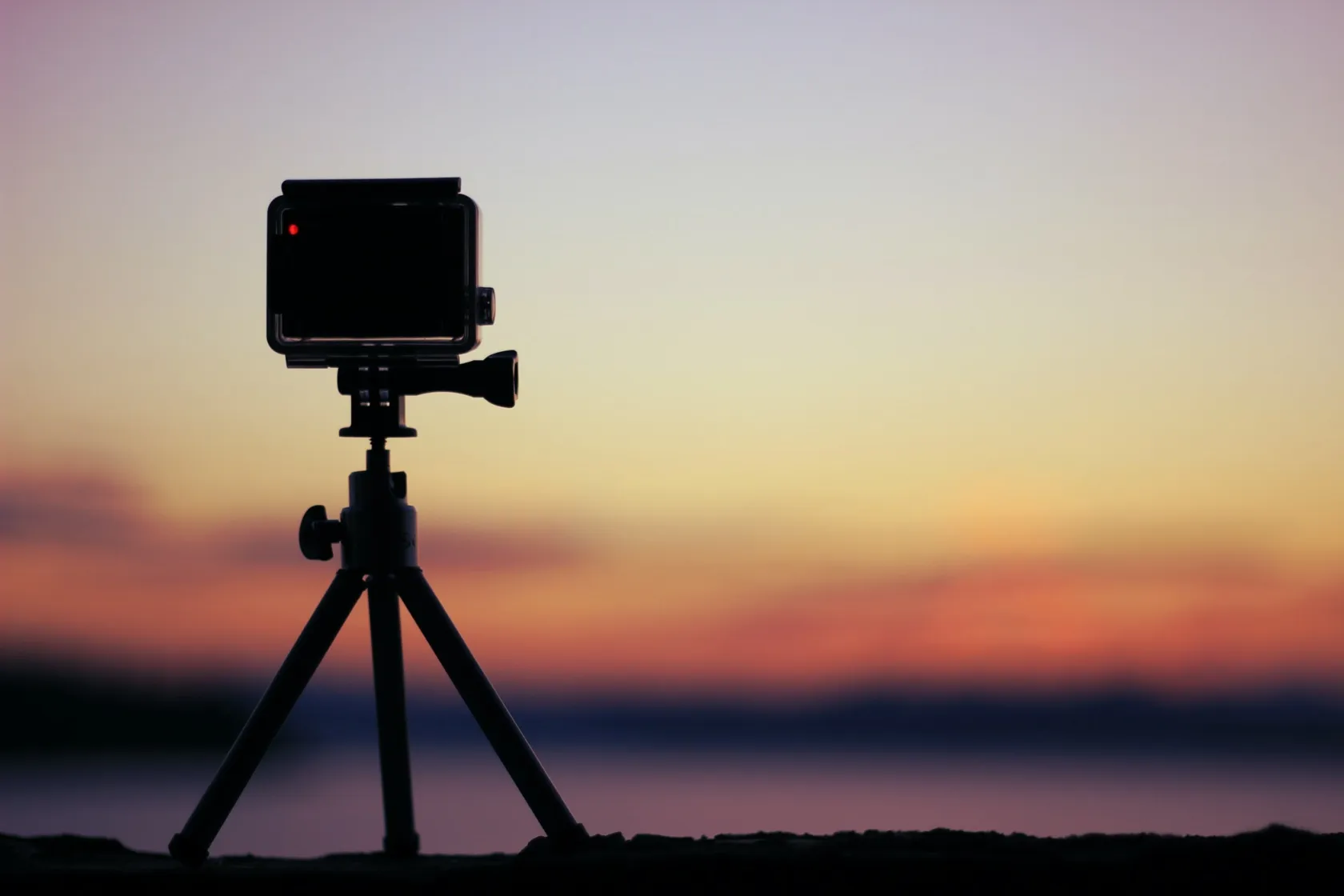 Best for: photographers who want a highly compact full-height tripod and are willing to pay for the design.
Peak Design Travel Tripod remains one of the most distinctive compact travel tripods available. Its reverse-folding design allows the legs to pack closely around the center column and head, creating a relatively small package without reducing the tripod to tabletop size.
The manufacturer rates the tripod for a maximum load of 20 lb (9.1 kg) and a maximum height of 60 inches (152 cm). It is designed for full-frame cameras and larger lenses, while an integrated phone mount makes it possible to use the tripod with a smartphone as well.
Its main advantages include:
- Compact reverse-folding design.
- Five-section legs with twist locks.
- Built-in ball head.
- Low and inverted shooting modes.
- Integrated mobile-phone mount.
- Available in aluminum and carbon-fiber versions.
- Designed for full-frame cameras and telephoto lenses.
The compact diameter is particularly useful when the tripod needs to fit inside a backpack rather than being attached externally.
The main drawback is the price. The carbon-fiber version is considerably more expensive than many conventional travel tripods, while the aluminum version adds some weight.
Your AI-Powered Photo Editor for MacOS and Windows
2. Gitzo Traveler Series 1
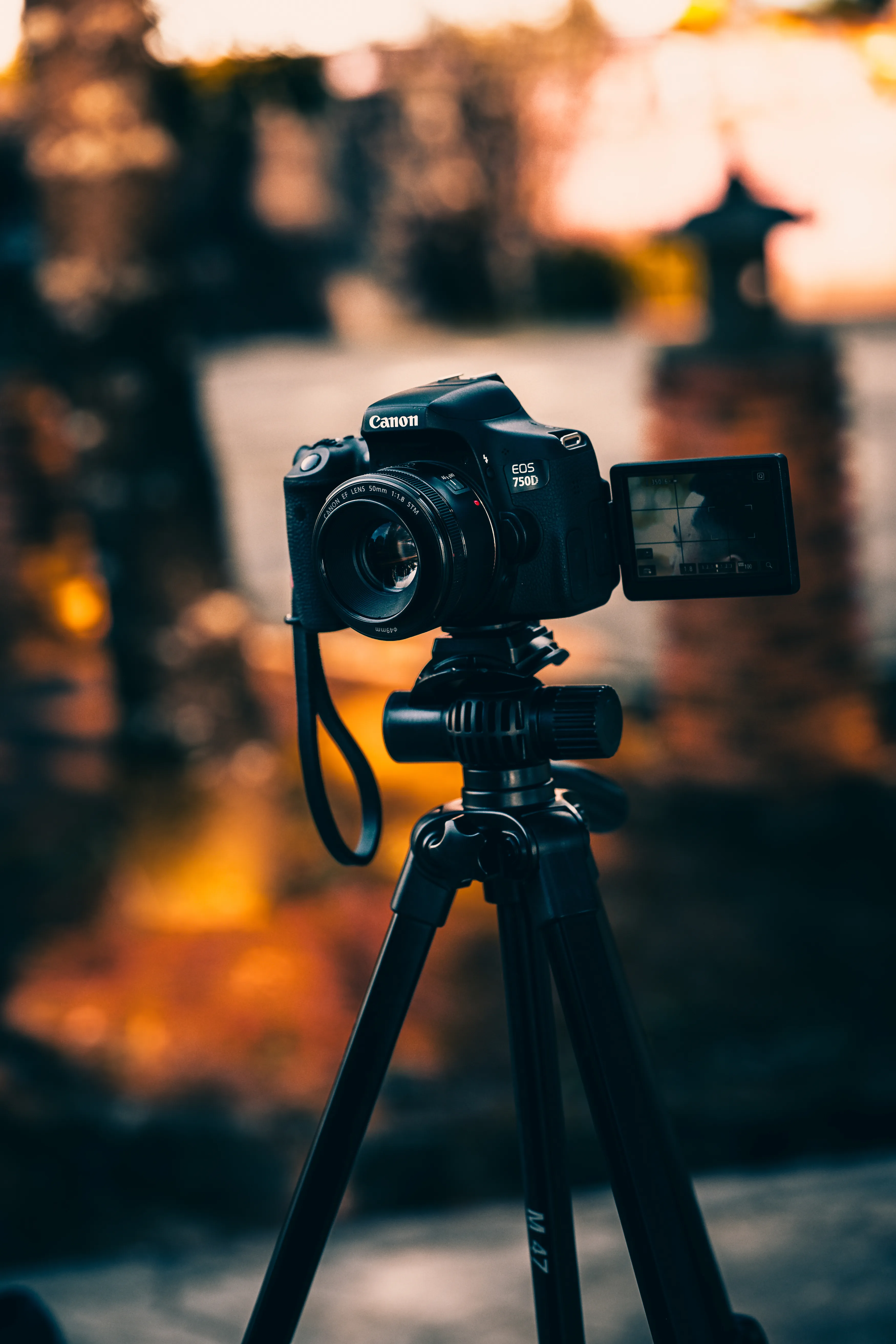 Best for: photographers looking for a premium lightweight travel tripod for demanding landscape and travel work.
Gitzo’s Traveler range is aimed at photographers who want premium construction without carrying a full-size studio or landscape tripod.
The current Series 1 five-section kit, GK1555T-82TQD, weighs 1.42 kg, reaches 148.5 cm, folds to 35.5 cm, and has a manufacturer-rated safety payload of 10 kg. It uses carbon-fiber legs and a center ball head, with two leg angles and a short column for low-angle shooting.
Key characteristics include:
- Carbon-fiber construction.
- Five-section legs.
- 35.5 cm folded length.
- 148.5 cm maximum height.
- 1.42 kg weight.
- 10 kg safety payload.
- Reversible leg-folding design.
- Short column for low-angle work.
- Arca-Swiss-compatible quick-release system.
Gitzo also offers a headless Traveler Series 1 configuration for photographers who prefer to choose their own tripod head. One current four-section configuration weighs about 1.055 kg and reaches 153 cm.
The downside is cost. Gitzo Traveler models are aimed at photographers who are prepared to pay more for carbon fiber, compact engineering, and long-term use.
3. Manfrotto Befree Advanced Carbon

Best for: travelers who want a lightweight full-height tripod without moving into the most expensive premium category.
The Manfrotto Befree Advanced Carbon remains a practical choice for photographers who want a relatively traditional travel-tripod design.
The current carbon-fiber version weighs 1.25 kg, reaches 150 cm, folds to 41 cm, and has a 9 kg safety payload under the manufacturer’s stated testing standard. It uses four leg sections, twist locks, and a ball head.
Its specifications include:
- Carbon-fiber construction.
- 1.25 kg weight.
- 150 cm maximum height.
- 41 cm closed length.
- 9 kg safety payload.
- Four-section legs.
- Twist locks.
- 360-degree panoramic rotation.
- Included carrying bag.
- Quick-release plate.
The Befree is a good example of why travel tripod selection is about more than finding the smallest possible model. At 41 cm when closed, it is not the shortest option here, but its working height and familiar controls make it practical for photographers who want a conventional shooting experience.
4. 3 Legged Thing PUNKS Corey 2.0

Best for: photographers who value versatility and modular features as much as minimum weight.
The PUNKS Corey 2.0 takes a different approach to travel tripod design. It is made from magnesium alloy and has three detachable legs that can be used for other configurations, including monopod or boom-style setups.
The current model reaches 1.46 m, folds to 36.1 cm, and weighs 1.78 kg as a kit. Its stated load capability is up to 14 kg at a 23-degree leg angle, with lower ratings at wider leg angles.
Other features include:
- Magnesium-alloy construction.
- Five-section legs.
- Two-section center column.
- 36.1 cm folded length.
- 1.78 kg kit weight.
- Up to 14 kg load capability at the standard leg angle.
- Three detachable legs.
- Monopod and boom configurations.
- Low-angle shooting.
- Optional alternative feet.
The modular design is its biggest attraction. Instead of being useful only as a conventional tripod, the Corey 2.0 can adapt to different shooting situations.
The trade-off is weight. At 1.78 kg, it is not the lightest tripod in this group.
5. SIRUI Traveler 5C

Best for: travelers who prioritize minimum weight and use a relatively lightweight camera setup.
If carrying weight is your main concern, the SIRUI Traveler 5C deserves attention.
The carbon-fiber Traveler 5C weighs approximately 0.85 kg and folds to 33 cm. It reaches 138 cm and has a maximum load rating of 4 kg. It uses five-section legs and a 360-degree panoramic head base.
Key specifications include:
- Carbon-fiber construction.
- Approximately 0.85 kg weight.
- 33 cm folded length.
- 138 cm maximum height.
- 4 kg maximum load.
- Five-section legs.
- 360-degree panoramic rotation.
- Compact reverse-folding design.
This makes it particularly interesting for hikers, backpackers, and photographers who use relatively lightweight mirrorless or compact camera systems.
However, the lower load capacity means it is not the obvious choice for a heavy full-frame body combined with a large telephoto lens.
Travel Tripod Comparison
| Tripod | Material | Weight | Max Height | Folded Length | Load Capacity |
| Peak Design Travel Tripod | Aluminum / Carbon fiber | Up to about 1.56 kg* | 152 cm | About 39 cm | 9.1 kg |
| Gitzo Traveler Series 1 | Carbon fiber | 1.42 kg | 148.5 cm | 35.5 cm | 10 kg |
| Manfrotto Befree Advanced Carbon | Carbon fiber | 1.25 kg | 150 cm | 41 cm | 9 kg |
| 3 Legged Thing PUNKS Corey 2.0 | Magnesium alloy | 1.78 kg | 146 cm | 36.1 cm | 14 kg** |
| SIRUI Traveler 5C | Carbon fiber | 0.85 kg | 138 cm | 33 cm | 4 kg |
*Weight varies by Peak Design configuration.
**The 3 Legged Thing load rating varies with leg angle.
Specifications can vary between configurations, so check the exact kit before purchasing. Manufacturer ratings also should not be interpreted as a promise that every camera setup will perform equally well at the maximum stated load.
How to Choose the Best Travel Tripod
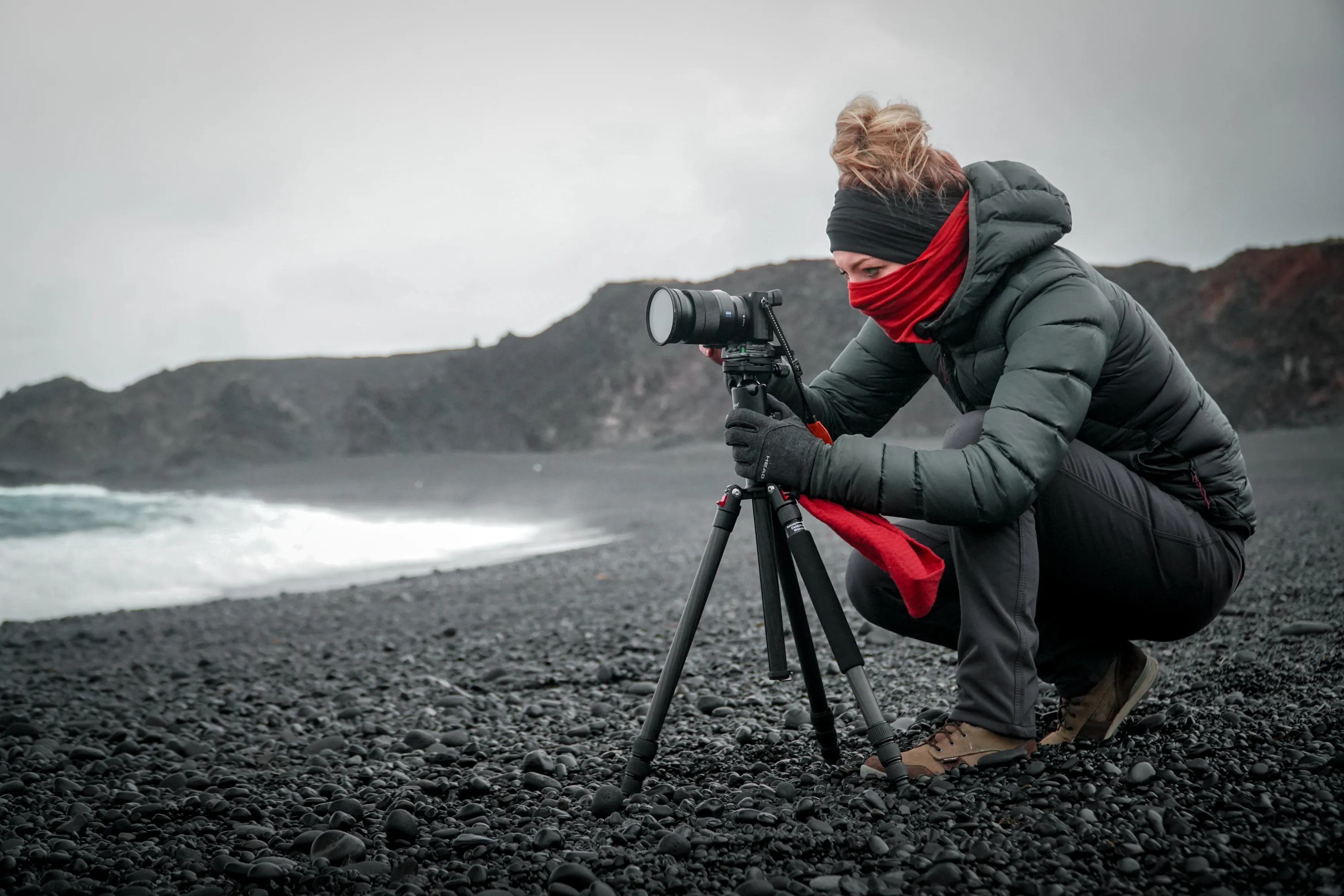
There is no single best tripod for every photographer. The right choice depends on your camera system, shooting style, destination, and how much weight you are prepared to carry.
Here are the most important factors to consider.
1. Camera and Lens Weight
Start with your actual camera setup rather than the tripod itself.
Add together the weight of:
- Camera body.
- Largest lens you expect to use.
- Quick-release plate.
- Flash or other accessories.
- Any additional equipment mounted on the camera.
Then compare the total with the tripod’s stated load capacity.
A tripod that barely supports your setup may technically work, but it leaves less room for changing lenses or adding accessories. For longer lenses, stability also depends on the tripod head, leg diameter, center-column position, and shooting conditions.
2. Weight
Weight is one of the biggest advantages of a travel tripod, but going lighter is not automatically better.
If you’re hiking for several hours, saving several hundred grams can make a meaningful difference. If you’re mostly photographing from a car or staying in hotels, a slightly heavier tripod may provide a better balance of stability and usability.
Carbon fiber is popular for travel because it can provide a lower-weight alternative to aluminum. The trade-off is usually a higher purchase price.
3. Folded Size
A tripod that fits comfortably inside your backpack is much easier to take everywhere.
Pay attention to both folded length and diameter. A tripod can be relatively short but still occupy a surprising amount of space if the legs and head create a bulky package.
For air travel, also check your airline’s current baggage rules rather than assuming that a particular tripod will automatically qualify as carry-on equipment.
4. Maximum Height
A very compact tripod may require you to bend down more often.
Compare the tripod’s maximum height with the way you normally photograph. Landscape photographers may prefer a model that reaches close to eye level, while low-angle and macro photographers may care more about the minimum height.
Also remember that maximum height is often measured with the center column extended. A tripod may be more stable when the center column remains lowered.
Elevate Your Photography with Our Advanced Software
5. Minimum Height and Leg Angles
Low-angle shooting can be valuable for landscapes, architecture, flowers, and foreground-focused compositions.
Look for independent leg-angle adjustments and a center column that can be reversed or shortened if you frequently work close to the ground.
6. Leg Locks
Travel tripods generally use either twist locks or lever locks.
Twist locks keep the outside of the legs relatively clean and compact, while lever locks can be faster to operate for some photographers. Neither system is automatically better; what matters is whether you can extend and secure the legs quickly and confidently.
7. Tripod Head
The tripod legs are only part of the system. The head also affects how easily you can compose and stabilize a shot.
A ball head is compact and convenient for still photography. If you primarily shoot video and need smooth camera movement, a fluid video head may be more appropriate.
Also check the quick-release system. An Arca-Swiss-compatible plate can be convenient if you already use compatible camera plates or an L-bracket.
8. Center Column
A center column can make a tripod more versatile, but extending it to maximum height can reduce stability.
For windy conditions or long exposures, keep the center column as low as practical. Some travel tripods also provide a short or reversible column for low-angle photography.
Aluminum vs. Carbon Fiber Travel Tripods
The material is one of the easiest ways to narrow down your options.
| Feature | Aluminum | Carbon Fiber |
| Weight | Usually heavier | Usually lighter |
| Price | Generally lower | Generally higher |
| Vibration behavior | Good | Good, with useful vibration-damping characteristics |
| Travel use | Good | Excellent for long walks and hikes |
| Cold-weather feel | Can feel colder to touch | Generally less thermally conductive |
| Best for | Budget-conscious photographers | Travelers prioritizing weight |
There is no universal winner. If you travel by car and don’t mind carrying a little extra weight, aluminum can offer excellent value. If every gram matters, carbon fiber becomes more attractive.
Stability Matters More Than the Tripod’s Weight Alone
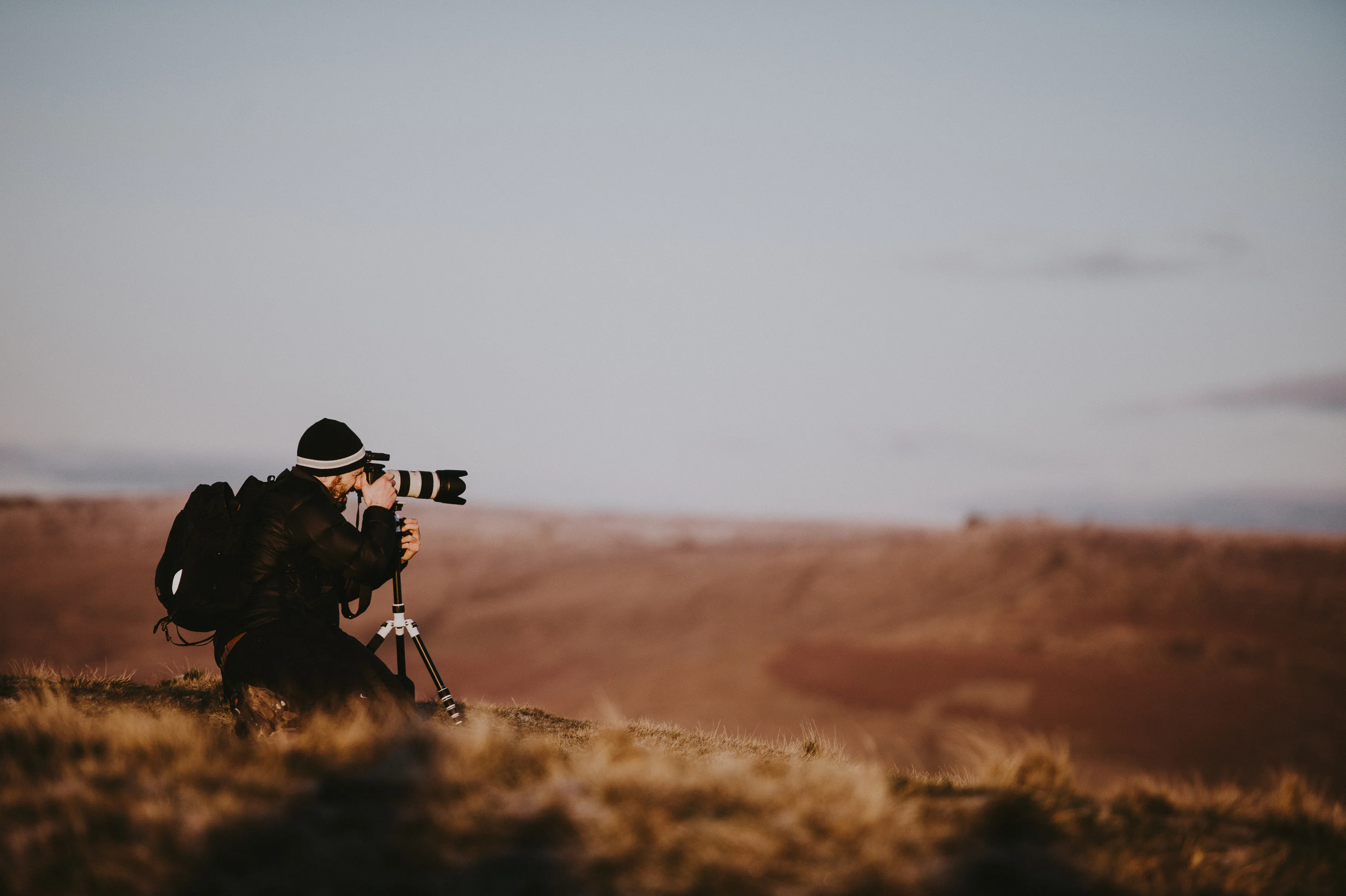
A common mistake is choosing a tripod based only on its weight.
A tripod’s stability depends on several factors, including leg construction, leg diameter, the center column, the head, the camera and lens combination, and environmental conditions.
Wind is particularly important for travel photography. A lightweight tripod can be perfectly adequate in calm conditions but become less stable on an exposed mountain, bridge, beach, or viewpoint.
When shooting long exposures, keep the tripod on a solid surface, spread the legs appropriately, avoid extending the center column unnecessarily, and use a remote release or your camera’s timer when practical.
A hanging camera bag can sometimes make a tripod less stable if it swings in the wind. If a tripod has a dedicated hook, use additional weight only when it is securely attached and cannot move freely.
When Do You Actually Need a Travel Tripod?
A tripod is especially useful when you want to:
- Photograph with slow shutter speeds.
- Capture city lights after sunset.
- Shoot waterfalls with intentional motion blur.
- Create self-portraits or group photos.
- Photograph stars and night landscapes.
- Capture bracketed exposures for HDR.
- Make time-lapse sequences.
- Use long focal lengths in low light.
- Compose carefully for architecture or landscapes.
- Keep a consistent camera position across multiple frames.
For HDR photography, a stable camera position is particularly useful when capturing bracketed exposures. You can then combine the frames using HDR Merge in Luminar, which supports exposure merging and automatic alignment.
Travel Tripod Care and Maintenance
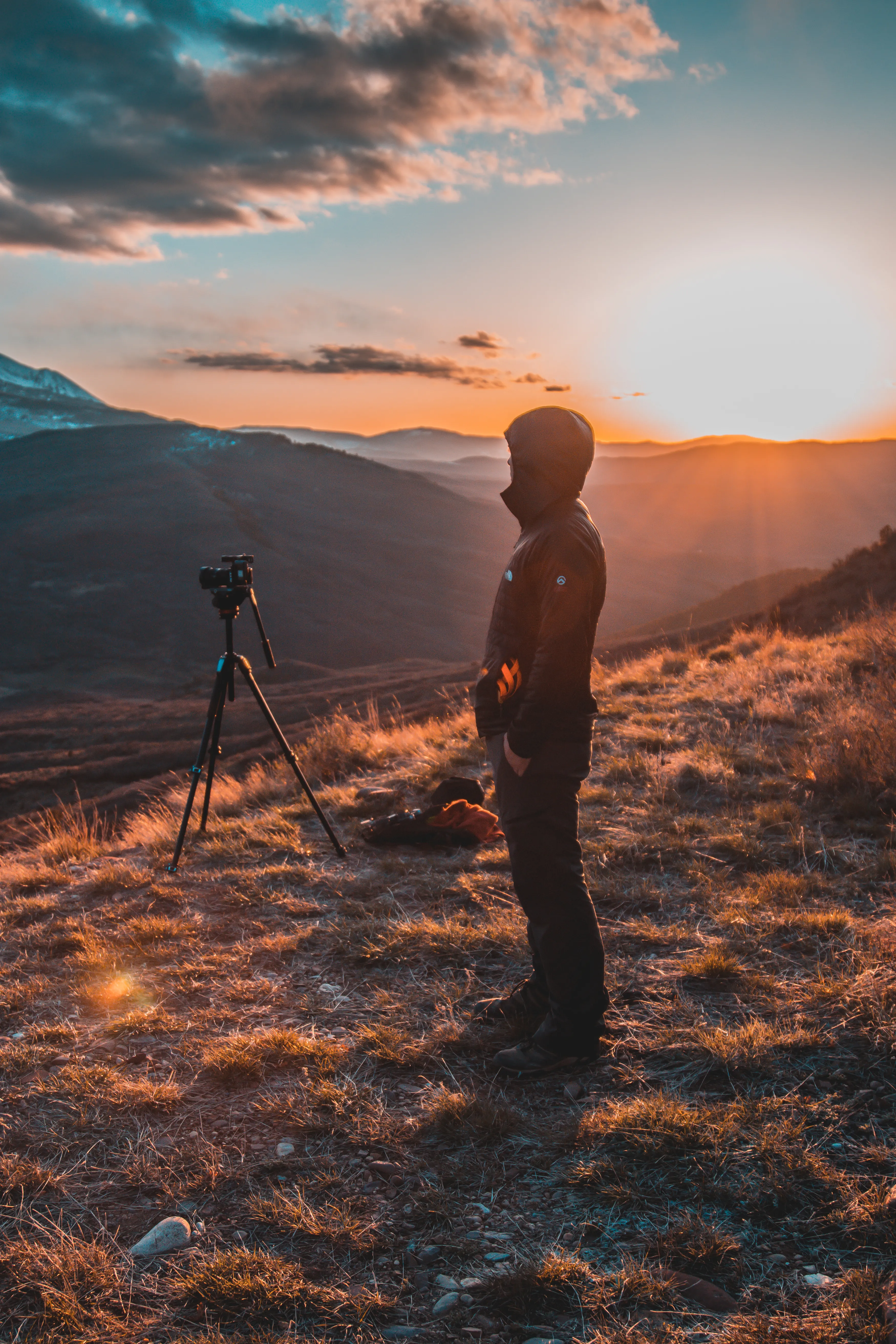
A tripod doesn’t require complicated maintenance, but travel can expose it to sand, dust, mud, and salt water.
After shooting outdoors:
- Wipe dirt and moisture from the legs.
- Check the leg locks for sand or debris.
- Dry the tripod before storing it for an extended period.
- Inspect screws, plates, and joints periodically.
- Pay particular attention after shooting near salt water.
- Follow the manufacturer’s maintenance instructions before applying any lubricant.
Be careful with the advice to simply rinse every tripod with water. Some models and materials can tolerate water exposure, but that doesn’t mean every tripod should be routinely soaked. For detailed maintenance, follow the manufacturer’s instructions for your particular model.
If sand gets inside twist locks or moving components, clean it as soon as possible. Grinding or gritty movement when extending the legs is a good indication that debris needs attention.
A protective bag can also help during transport, particularly when the tripod is packed alongside other equipment.
What to Photograph With a Travel Tripod
A compact tripod can open up several possibilities during a trip.
Landscapes
A tripod makes it easier to use slower shutter speeds, carefully compose the foreground and background, and keep multiple exposures aligned.
Night Photography
Night scenes often require longer exposures or higher ISO settings. A stable camera can allow you to use a slower shutter speed instead of relying entirely on a high ISO.
Architecture
A fixed camera position helps when you want straight, carefully aligned compositions or when you need several exposures of the same scene.
Self-Portraits
A tripod and self-timer or remote shutter release can turn an otherwise difficult travel portrait into a controlled composition.
HDR and Bracketing
A stable camera is useful when photographing a scene at several exposure settings. Afterward, the frames can be combined into an HDR image.
Time-Lapse
A tripod keeps the camera in a consistent position throughout the sequence, which is essential for smooth-looking results.
Exclusive Tools of Endless Possibilities in One Editor
Editing Travel Photos After the Shoot
Good support helps you capture a technically stable frame, but post-processing is still part of the workflow.
Travel photos may need corrections for exposure, color, lens issues, haze, noise, or distracting objects. Luminar includes tools for RAW editing, noise reduction, sharpening, HDR Merge, panorama stitching, and other adjustments.

For photographers who are just getting started with post-processing, our guide to the best photo editing software for beginners can help explain what to look for in an editor.
A tripod also makes certain editing workflows easier. For example, several bracketed exposures captured from the same position can be combined into an HDR image, while a fixed camera position can help when creating panoramas.
To Sum It Up
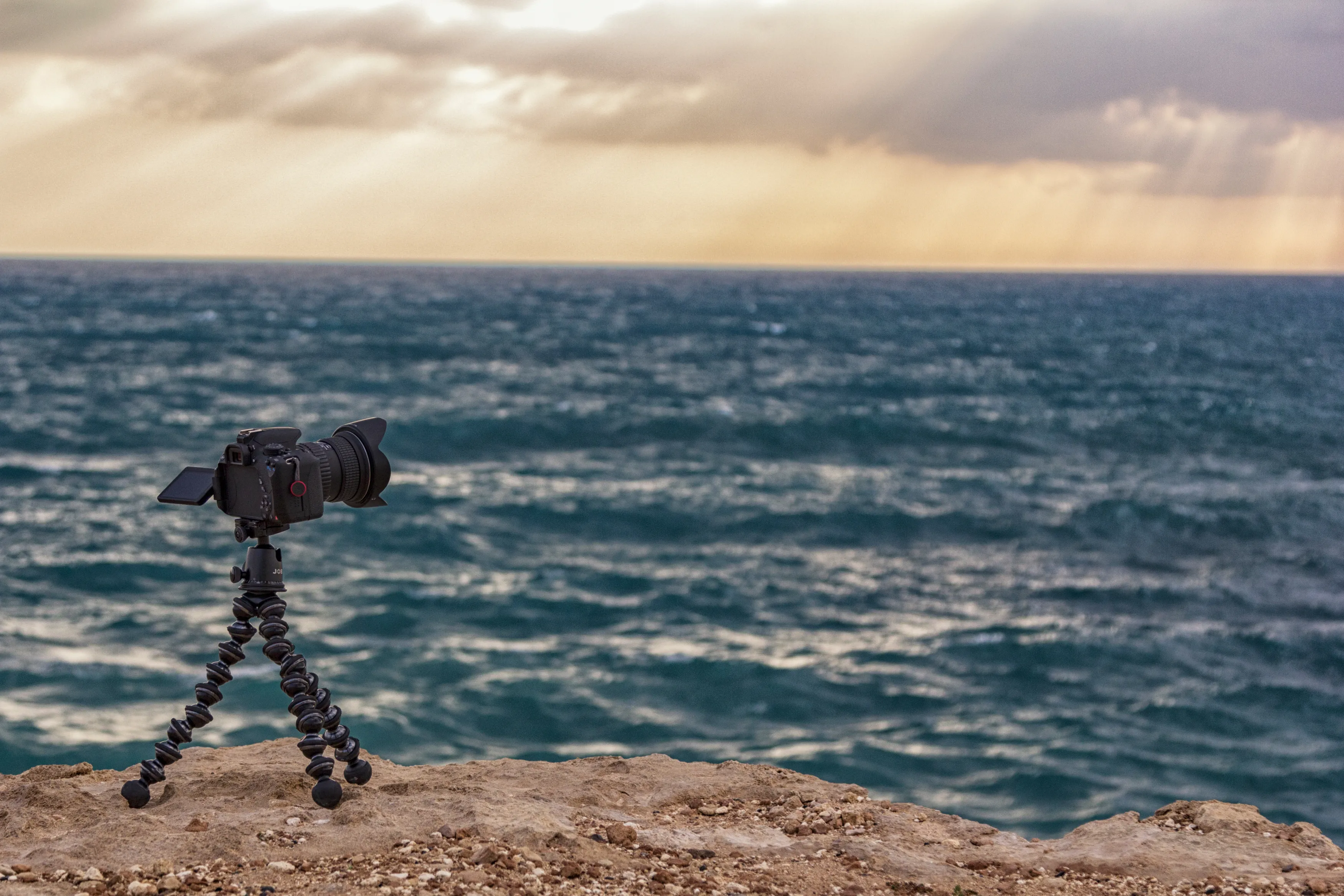
The best travel tripod is the one that fits your camera system and your travel habits rather than simply the one with the highest load rating or lowest weight.
The Peak Design Travel Tripod is a strong all-around choice for photographers who want an unusually compact full-height design. The Gitzo Traveler Series 1 is aimed at photographers who want premium carbon-fiber construction and low weight. The Manfrotto Befree Advanced Carbon offers a familiar full-height travel tripod format with a relatively low weight. The 3 Legged Thing PUNKS Corey 2.0 is particularly interesting if you want modular features and detachable legs. And the SIRUI Traveler 5C is worth considering when keeping the kit as light as possible is the priority.
Before buying, compare the tripod’s folded size, weight, working height, minimum height, head type, leg-lock system, and load capacity with your actual camera setup.
And remember: the best tripod is the one you are willing to carry. A slightly heavier model that comes with you on every trip is usually more useful than an ultra-light tripod that stays at home.
Once your travel photos are captured, you can continue the workflow in Luminar and use tools such as HDR Merge, panorama stitching, sharpening, and noise reduction to refine the final images.
FAQ
The Peak Design Travel Tripod is one of the strongest all-around options for photographers who want a compact design without giving up full-height shooting, while the Gitzo Traveler is a premium alternative for those prioritizing carbon-fiber construction.
A practical travel tripod can weigh anywhere from around 0.8 to 2 kg, depending on the camera system and intended use. Lighter models are easier to carry, while heavier designs can provide additional stability.
Carbon fiber can be worth the additional cost if reducing weight is important to you. It is particularly attractive for photographers who hike, backpack, or spend long periods carrying their equipment.
A tripod may be permitted in carry-on or checked baggage depending on its size, airline, and destination. Always check the current baggage rules of your airline before traveling.
Not always. A tripod is most useful for long exposures, night photography, HDR bracketing, time-lapse work, self-portraits, and situations where precise composition and camera stability are important.