Discover the meaning and 2026 theme of International Mountain Day, observed on December 11. Learn how to celebrate through responsible mountain photography, education, and support for local communities.
International Mountain Day is observed every year on December 11 to highlight the importance of mountains, the challenges facing mountain communities, and the need for sustainable development in highland regions. In 2026, the observance focuses on mountain pastoralists and the knowledge that helps them care for rangelands, livestock, and local livelihoods.
For photographers, the day is also an opportunity to document mountain landscapes with greater purpose. A strong image can reveal not only the scale of a peak, but also the people, traditions, wildlife, and environmental changes connected to it.
Don’t feel like reading the whole breakdown? We’ve pulled together a quick summary below.
Key Takeaways
- International Mountain Day takes place every year on December 11.
- The United Nations designated the observance in 2002, and it has been celebrated annually since 2003.
- The International Mountain Day 2026 theme is “Mountain pastoralists: Sustaining rangelands, knowledge and livelihoods.”
- The 2026 campaign recognizes pastoralists as custodians of mountain ecosystems, cultural knowledge, and rural economies.
- Responsible photography can raise awareness without disturbing wildlife, damaging fragile terrain, or treating local communities as visual props.
- You can mark the day through photography, education, conservation work, local events, and support for mountain communities.
What Is International Mountain Day?
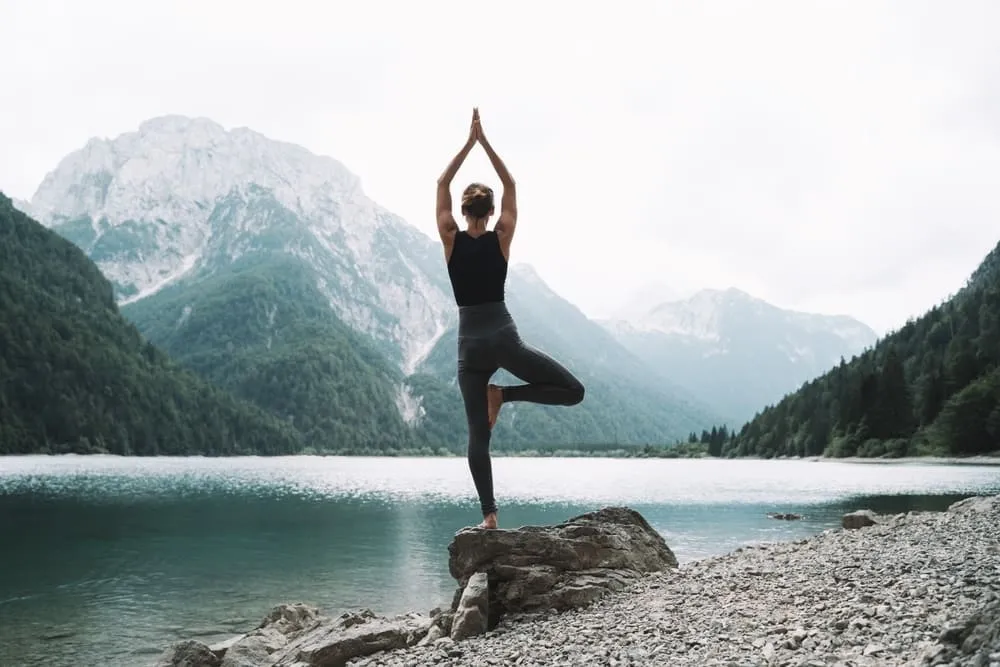 International Mountain Day is a United Nations observance dedicated to the role mountains play in human life and the global environment. It is sometimes informally called World Mountain Day, but International Mountain Day is the official name.
Mountains influence freshwater systems, food production, biodiversity, weather, tourism, and cultural identity. They are also home to communities whose livelihoods depend on farming, herding, forestry, craft, guiding, and other forms of land-based knowledge.
The day was designated by the United Nations General Assembly in 2002 and first observed on December 11, 2003. The Food and Agriculture Organization of the United Nations coordinates the annual global campaign.
The Photo Perspective Correction Tool You've Been Waiting For
What Is the International Mountain Day 2026 Theme?
The official International Mountain Day 2026 theme is:
Mountain pastoralists: Sustaining rangelands, knowledge and livelihoods
Mountain pastoralists raise animals and manage high-altitude grazing lands using knowledge developed over generations. Seasonal movement allows livestock to reach available pasture and water while giving other areas time to recover. When supported by secure land access, sound policy, science, and local decision-making, these practices can contribute to healthy soils, biodiversity, food production, and climate resilience.
The 2026 theme is connected to the International Year of Rangelands and Pastoralists. It draws attention to the people who care for mountain rangelands while facing pressures such as climate change, land degradation, shrinking livestock routes, insecure land rights, limited access to markets, and the migration of younger generations.
This focus also creates a more meaningful subject for documentary and mountain photography. Instead of photographing only empty peaks, photographers can explore the relationship between land, animals, work, culture, and community—with informed consent and respect for the people represented.
Why Mountains Matter
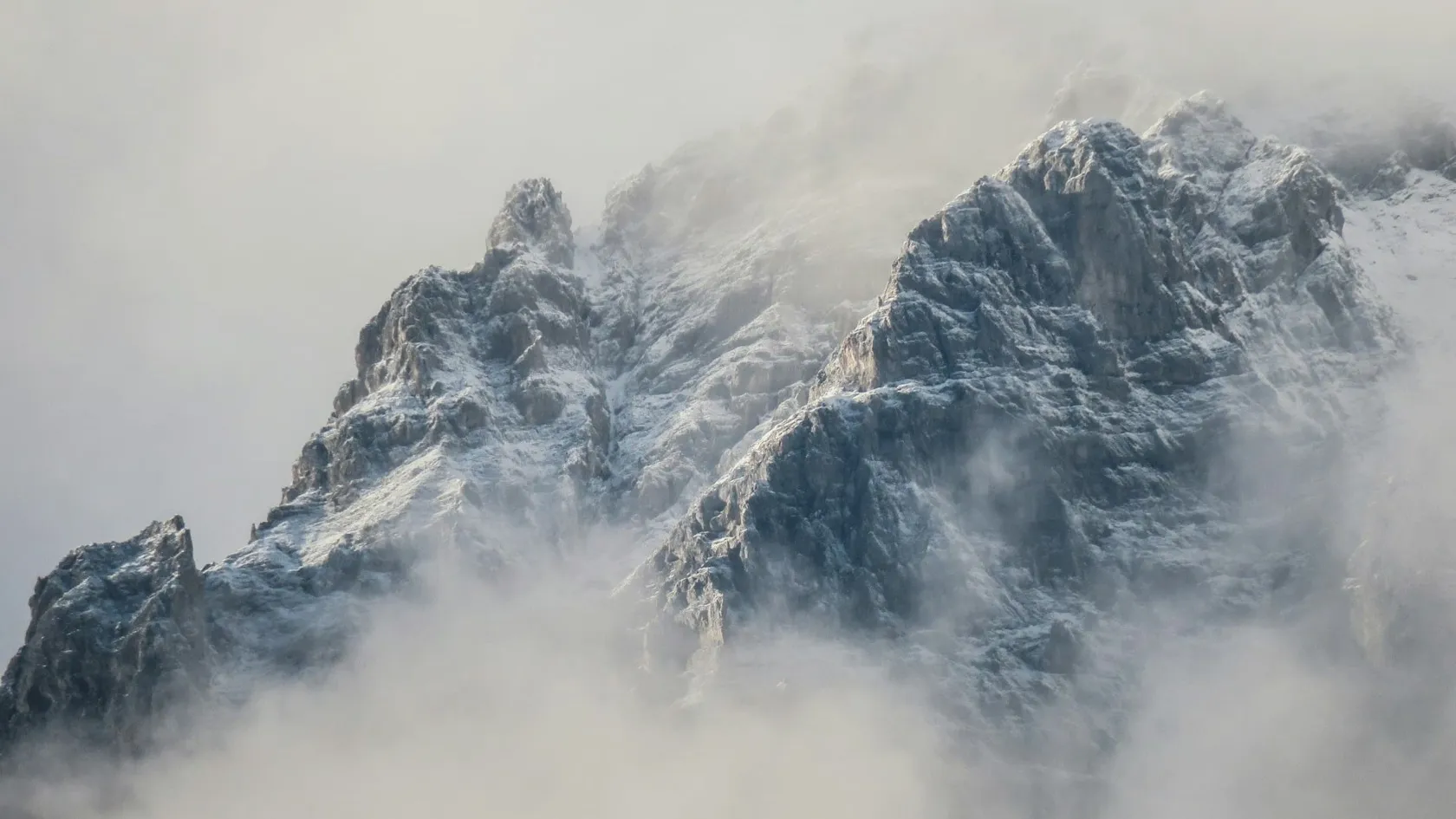 Mountains are not isolated scenic landmarks. What happens at high elevations can affect people and ecosystems far beyond the slopes.
Water
Mountain snow, glaciers, wetlands, soils, and rangelands help store and regulate water. Changes in temperature, precipitation, vegetation, and land use can alter the timing and reliability of downstream water supplies.
Biodiversity
Rapid changes in elevation create many different habitats within relatively short distances. These environments support plants and animals adapted to highly specific conditions, which can leave them especially vulnerable to warming temperatures and habitat disruption.
Food and Livelihoods
Mountain communities produce food, fibre, and other goods while maintaining locally adapted skills and livestock breeds. Pastoral systems can also support rural economies in places where other forms of agriculture are difficult.
Culture and Knowledge
Highland landscapes are connected to languages, spiritual traditions, seasonal routes, crafts, architecture, and community identities. Protecting mountains therefore involves cultural heritage as well as physical ecosystems.
Climate Resilience
Healthy vegetation and soils can improve water retention, reduce erosion, store carbon, and support recovery after drought or fire. Degraded land, by contrast, can become more exposed to erosion, water scarcity, and other hazards.
How Photography Can Support Mountain Conservation
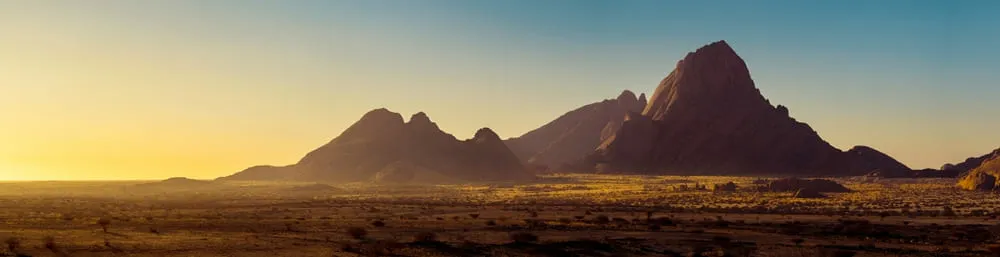 Mountain photography often begins with visual drama: sharp ridges, low clouds, distant valleys, or warm light crossing a summit. But the most memorable images can also provide context.
A photograph may document a retreating glacier, an eroded trail, recovering vegetation, traditional grazing, or the work of a local conservation group. When images include captions explaining what is happening, they can help viewers understand that mountain ecosystems are dynamic and inhabited—not simply picturesque backdrops.
Photographers can make their work more responsible by:
- researching the place and its cultural context before visiting;
- asking permission before photographing identifiable people or private activities;
- avoiding staged scenes that misrepresent local life;
- recording accurate locations and dates when documenting environmental change;
- writing captions that distinguish observation from interpretation;
- sharing useful context instead of relying on dramatic but vague claims.
Ethical storytelling is especially important when photographing pastoralists or Indigenous and local communities. The image should not reduce a person to an exotic detail in the landscape. Whenever possible, explain who is represented, why the activity matters, and whether permission was given to publish the photograph.
Mountain Photography Tips for International Mountain Day
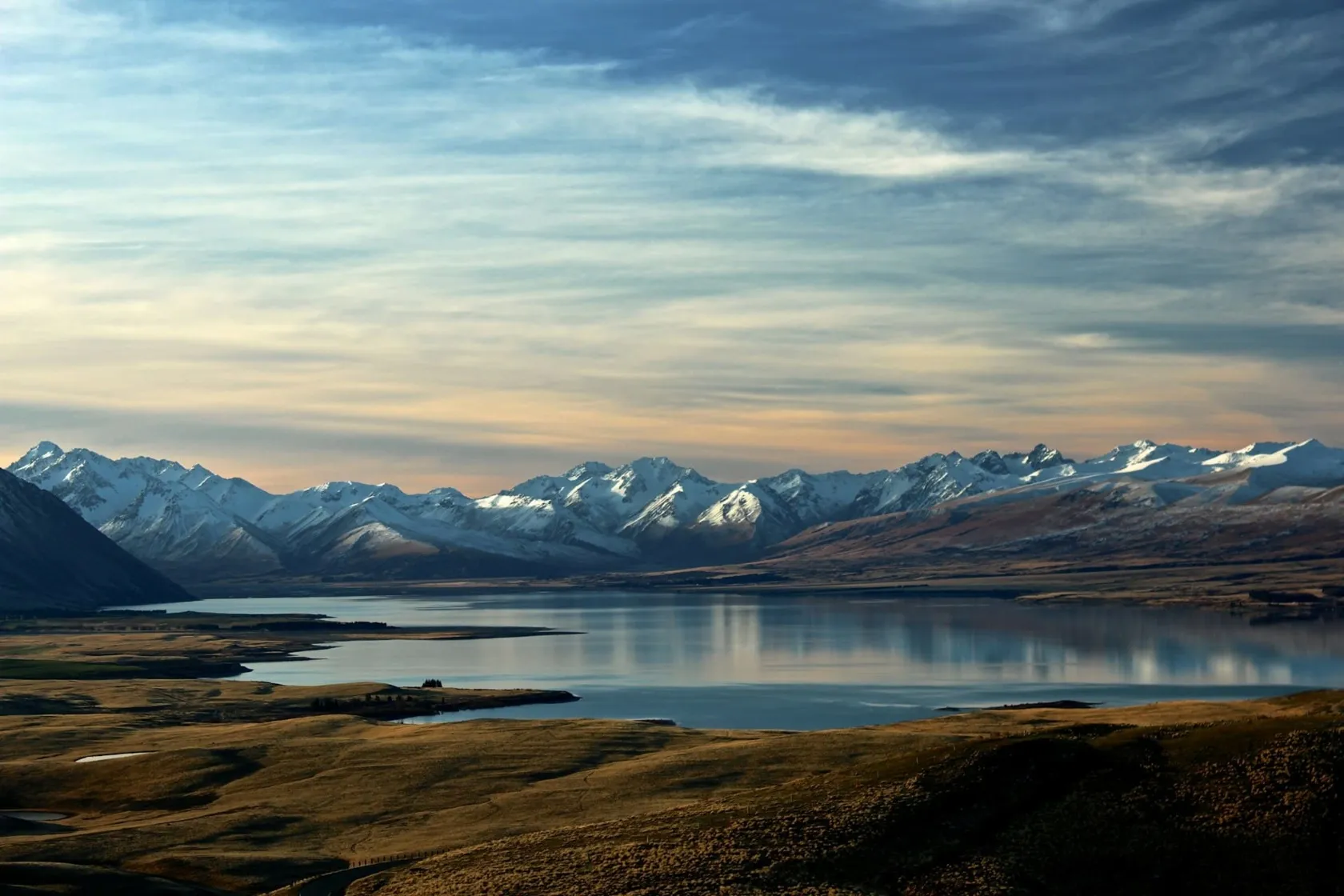
International Mountain Day can inspire a new photo project even if you cannot travel to a famous range. A nearby ridge, upland pasture, hiking route, or archive of earlier photographs can become the starting point.
1. Plan for Light and Weather
Check the forecast, sunrise or sunset direction, trail conditions, and visibility before leaving. Side light can reveal the texture of ridges, while mist and changing clouds create depth. Do not continue toward an exposed viewpoint when the weather becomes unsafe simply because the light looks dramatic.
2. Add a Sense of Scale
Include a person, trail, hut, herd, or recognizable natural element to show the size of the landscape. Keep the contextual subject small enough that the mountain remains dominant, but visible enough to be understood.
3. Build Depth into the Composition
Use foreground rocks, vegetation, or a winding path to lead the viewer toward the middle ground and distant peaks. Atmospheric haze can also separate overlapping ridges and create natural layers.
For more composition ideas, explore these simple mountain landscape photography tips.
4. Photograph Details as Well as Vistas
A complete mountain story needs more than a wide panorama. Photograph textures, plants, animal tracks, working hands, tools, shelters, water, and signs of seasonal change. Our guide to photographing mountains up close explains how tighter framing can reveal patterns that disappear in a broad view.
5. Use a Tripod Selectively
A tripod helps with panoramas, long exposures, exposure bracketing, and low-light scenes. On a long hike, however, its weight may not be justified. Stabilization, careful handholding, or a safe natural support can be more practical when the light is strong.
Your AI-Powered Photo Editor for MacOS and Windows
6. Protect Highlights
Bright snow, clouds, and sky can lose detail quickly. Check the histogram and avoid unnecessary highlight clipping. If the scene exceeds the camera’s dynamic range, bracket exposures only when the landscape and camera are stable enough for a clean merge.
7. Leave the Place Undisturbed
Stay on durable surfaces and established trails where required. Do not move rocks, pick plants, approach wildlife, direct animals, or enter working land without permission. No photograph is worth damaging the place it claims to celebrate.
How to Edit Mountain Photos in Luminar
Good editing should clarify the light, depth, and atmosphere already present in the photograph. It should not automatically make every mountain scene more saturated or replace a realistic sky with a dramatic one.
With Luminar, you can refine a mountain landscape through a short, controlled workflow:
- Correct the composition. Straighten the horizon and crop distracting edges while preserving the sense of scale.
- Balance the exposure. Recover bright sky or snow carefully and open deep shadows only enough to reveal useful detail.
- Refine color. Correct white balance before increasing saturation. Snow, stone, grass, and distant haze should still look believable.
- Add local contrast. Apply structure and detail selectively so distant areas do not become crunchy or unnatural.
- Reduce haze with restraint. Some atmospheric haze creates depth; removing all of it can flatten the scene.
- Merge a panorama when needed. If one frame cannot contain the view, panorama stitching can combine a carefully captured sequence into a wider image.
- Consider the ethics of major edits. Creative composites are valid, but documentary or conservation images should not mislead viewers about weather, wildlife, people, or environmental conditions.
Sky replacement can support an openly creative image when used with intention. If you use Sky AI, match the direction, color, and softness of the light—and avoid presenting the result as documentary evidence.

Sustainable Mountain Tourism: How to Visit Responsibly
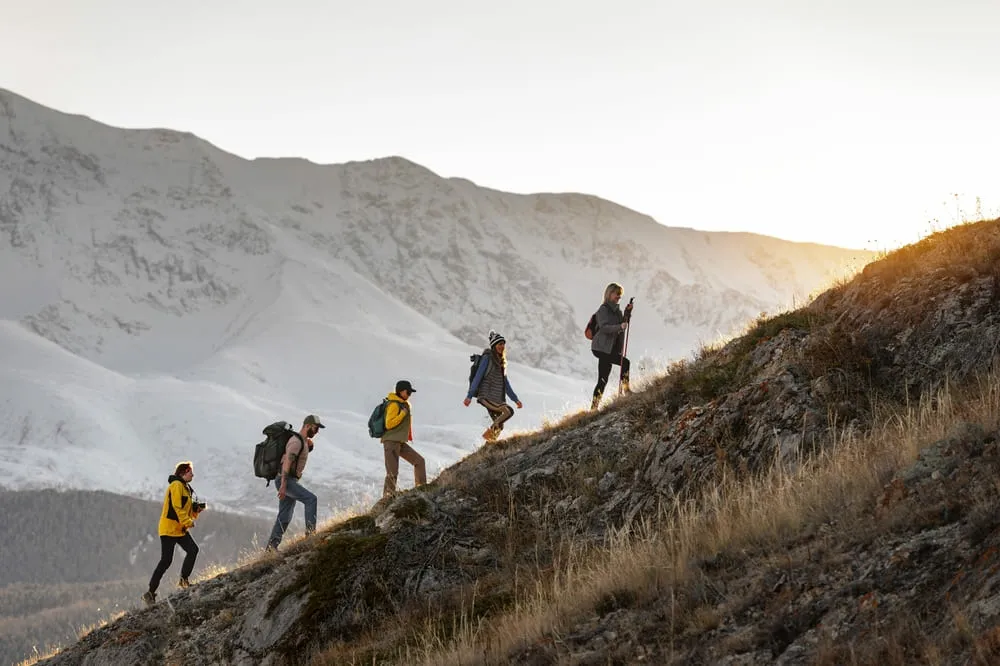
Tourism can create income for guides, accommodation providers, craftspeople, farmers, and other local businesses. It can also increase waste, trail erosion, traffic, pressure on water supplies, wildlife disturbance, and demand for poorly planned construction.
Sustainable mountain tourism aims to reduce those costs while keeping more benefits within local communities. Travelers and photographers can contribute by:
- hiring qualified local guides where appropriate;
- choosing locally owned services and buying directly from local producers;
- following fire, camping, waste, drone, and trail rules;
- carrying reusable essentials and packing out waste;
- avoiding geotagging fragile or restricted locations;
- respecting livestock, gates, grazing routes, and private land;
- traveling outside peak periods when conditions and local guidance allow;
- asking before photographing people, homes, ceremonies, or work.
Photography can encourage responsible travel, but captions matter. Instead of promoting a location as “untouched” or “secret,” explain its sensitivity, access restrictions, and the behavior visitors should follow.
How to Celebrate International Mountain Day 2026
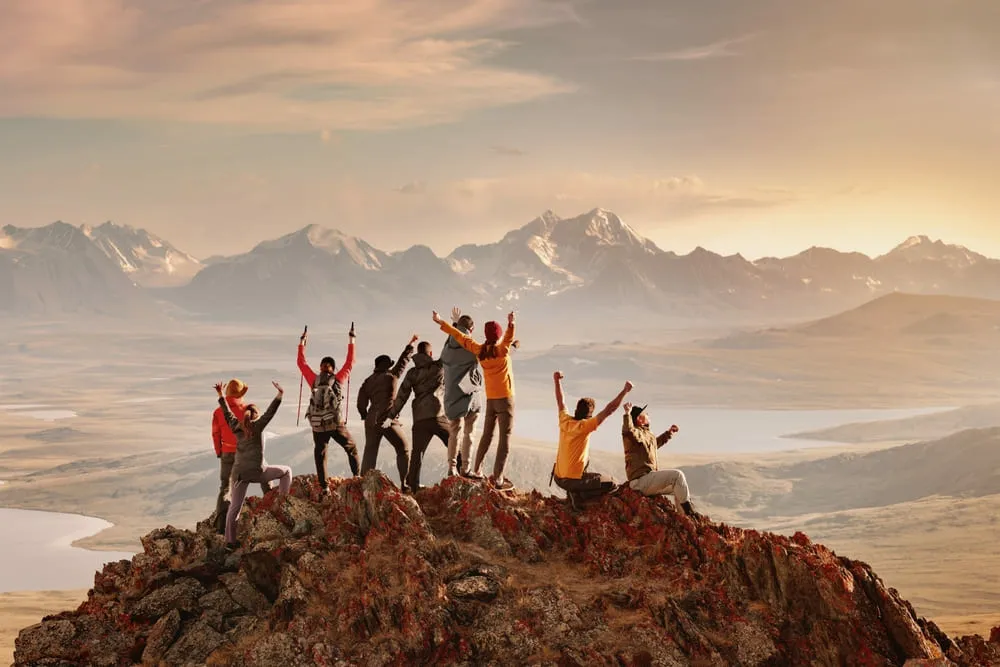 You do not need to reach a summit to take part. Choose an activity that connects the 2026 theme with your own community and abilities.
Create a Mountain Pastoralism Photo Story
With permission, document a local herder, grazing landscape, livestock breed, seasonal route, or traditional product. Pair the images with accurate captions and the subject’s perspective.
Join or Organize a Photo Walk
Plan a small walk focused on responsible mountain landscape photography. Discuss safe access, ethical nature photography, composition, and how images influence attitudes toward a place.
Support a Local Initiative
Volunteer for a trail-maintenance or cleanup project, attend a conservation event, or support an organization working with mountain communities. Check its goals and local partnerships before donating.
Host a School or Community Activity
Use maps, photographs, short talks, or an exhibition to explore how mountain water, food, biodiversity, and livelihoods are connected. The 2026 theme creates a natural opportunity to include pastoral knowledge and rangeland management.
Share a Photograph with Context
Post one carefully selected image and explain where it was taken, what the landscape supports, and how visitors can help protect it. The official campaign commonly uses #MountainsMatter.
Explore from Home
If travel is not possible, edit an older mountain series, create a small online gallery, watch a virtual tour, or research the environmental and cultural story behind a photograph you already own.
Seamless Sky Replacement with One Click
Threats Facing Mountain Ecosystems
 Mountain ecosystems face interconnected pressures rather than one isolated problem.
| Challenge | Why it matters |
| Climate change | Alters snow, glaciers, water availability, habitats, fire conditions, and seasonal grazing patterns |
| Land degradation | Reduces vegetation and soil health, increasing erosion and lowering rangeland productivity |
| Habitat fragmentation | Separates wildlife populations and can block traditional livestock routes |
| Unsustainable extraction | Mining, logging, and poorly planned construction may pollute water and damage habitats |
| Tourism pressure | Concentrates waste, traffic, erosion, and water demand in popular destinations |
| Insecure land rights | Makes it harder for pastoral communities to maintain mobility and manage shared rangelands |
| Loss of knowledge | Migration and limited opportunities for young people can interrupt the transfer of local skills |
Protection therefore requires more than preserving scenic viewpoints. It includes healthy ecosystems, community rights, sustainable livelihoods, disaster preparedness, and participation by the people who live and work in mountain regions.
Final Thoughts
International Mountain Day 2026 is both a celebration and a reminder of responsibility. Its focus on mountain pastoralists expands the familiar picture of mountains beyond dramatic summits to include rangelands, livestock, livelihoods, cultural knowledge, and the people who care for these environments.
Photography can help tell that fuller story. Plan carefully, work ethically, preserve natural conditions, and give context to the images you share. Whether you hike, support a community project, create a photo essay, or learn from home, the most meaningful way to celebrate is to recognize that mountains are living landscapes—not empty scenery.
Frequently Asked Questions
International Mountain Day is celebrated every year on December 11.
The official 2026 theme is “Mountain pastoralists: Sustaining rangelands, knowledge and livelihoods.” It recognizes the role pastoralists play in food production, land stewardship, cultural knowledge, and rural mountain economies.
The United Nations General Assembly designated December 11 as International Mountain Day in 2002. The first annual observance took place in 2003, and the Food and Agriculture Organization of the United Nations coordinates the global campaign.
People may use “World Mountain Day” informally when searching for the observance, but its official United Nations name is International Mountain Day.
Photographers can create an ethical mountain photo story, join a responsible photo walk, document conservation work, support a local initiative, or share an image with accurate environmental and cultural context.