Discover the best places to travel in the US, from iconic national parks to vibrant cities, with seasonal advice, must-see photo locations, and practical tips for planning every shot.
The best places to travel in the US include Yosemite, New York City, the Grand Canyon, Charleston, Yellowstone, Miami, Sedona, Portland, Savannah, and Aspen. Together, these destinations cover dramatic landscapes, wildlife, architecture, street scenes, beaches, and night skies.
This guide compares what makes each location special, when to visit, and which photography styles work best there. Seasonal conditions, park access, permits, and opening hours can change, so always check official local information before traveling.
Key Takeaways
- Yosemite, the Grand Canyon, Yellowstone, Sedona, and Aspen are the strongest choices for landscape photography. Each offers distinctive terrain, changing light, and wide compositions.
- New York City, Charleston, Miami, Portland, and Savannah are ideal for architecture and street photography. They combine recognizable landmarks with local details and everyday life.
- Spring and fall suit many destinations because the weather is generally milder and the light is often more comfortable for long shooting days. However, the best season depends on the subject you want to capture.
- Sunrise and sunset are not the only useful times to shoot. Blue hour, overcast weather, winter conditions, and city nights can produce equally strong images.
- National parks require extra preparation. Check weather alerts, road conditions, permits, wildlife guidance, and trail access immediately before your visit.
- Travel photos often need only thoughtful corrections. A travel photo editor can help balance exposure, recover landscape detail, refine color, and improve composition without making the scene look artificial.
Best US Travel Destinations at a Glance
| Destination | Best for | Recommended season | Signature photo opportunity |
|---|---|---|---|
| Yosemite National Park | Landscapes, wildlife | Spring or fall | Granite cliffs and waterfalls |
| New York City | Street, architecture, cityscapes | Spring or fall | Skyline and neighborhood life |
| Grand Canyon | Landscapes, night sky | Spring or fall | Layered canyon light |
| Charleston | Architecture, portraits | Spring | Historic streets and pastel facades |
| Yellowstone National Park | Wildlife, landscapes | Late spring to early fall; winter for snow | Geysers, hot springs, and wildlife |
| Miami | Beaches, architecture, portraits | Winter to spring | Art Deco buildings and coastal light |
| Sedona | Landscapes, astrophotography | Spring or fall | Red-rock formations |
| Portland | Street, nature, macro | Spring to early fall | Gardens, city scenes, and nearby waterfalls |
| Savannah | Architecture, street, portraits | Spring or fall | Squares and oak-lined streets |
| Aspen | Mountains, wildlife, seasonal color | Fall or winter | Maroon Bells and golden aspens |
Exclusive Tools of Endless Possibilities in One Editor
1. Yosemite National Park, California
- Photography styles: Landscape, wildlife, nature details
- Best time to visit: Spring for waterfalls; fall for color and generally smaller crowds
- Best for: Nature lovers and outdoor photographers
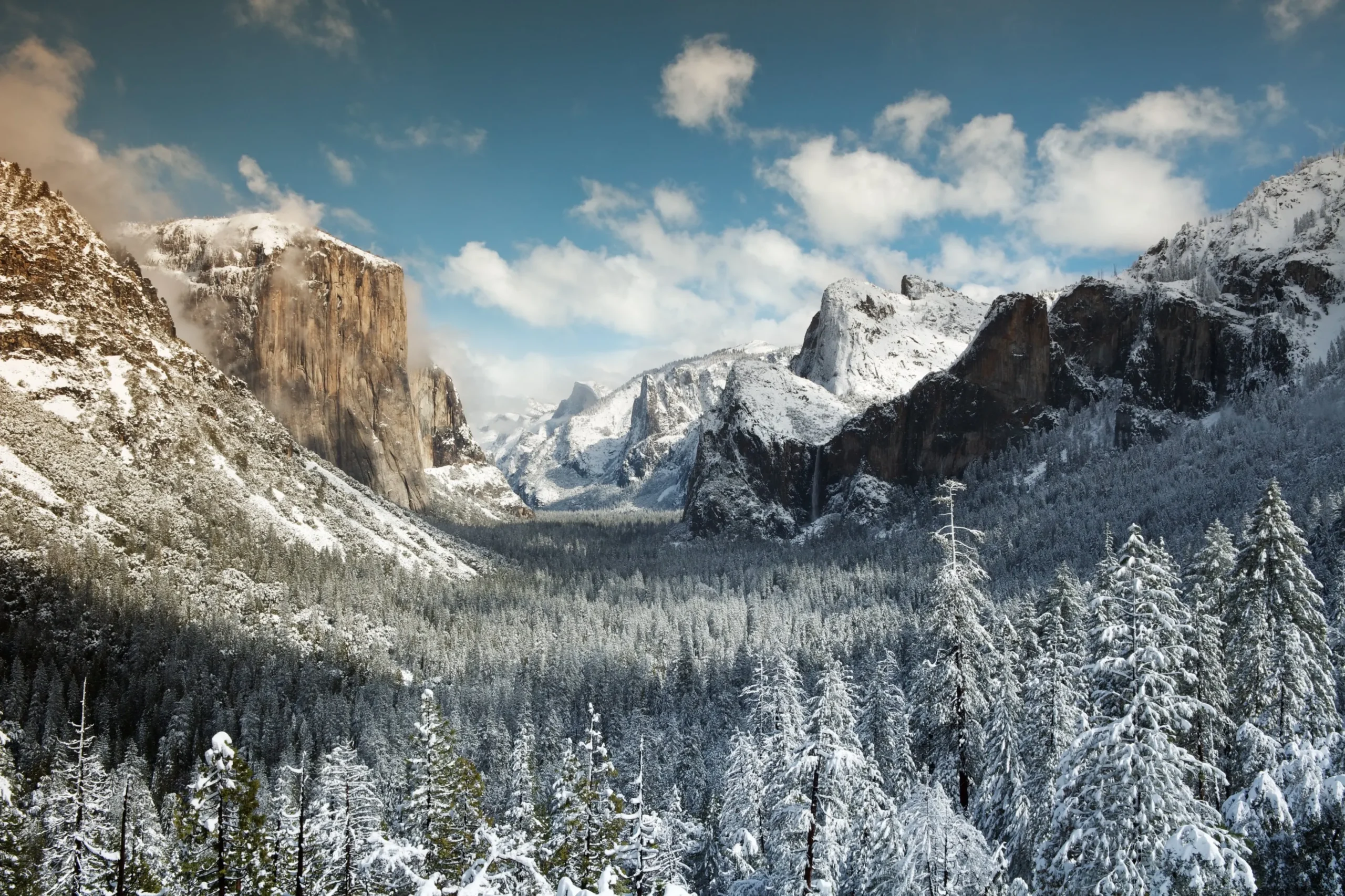
Yosemite is one of the best places to visit in the US for monumental landscape photography. Granite walls, waterfalls, meadows, forests, and changing weather make it possible to build very different images within one trip.
Tunnel View works well for a recognizable wide composition that includes El Capitan, Half Dome, and Bridalveil Fall. Valley View brings the Merced River into the foreground, while Glacier Point offers a higher perspective when seasonal road access allows. Arrive early for softer light and fewer people, but do not ignore mist, clouds, or snow: they can separate the rock formations and give the scene more depth.
Use a wide-angle lens for the scale of the valley and a telephoto lens to isolate waterfalls, cliff details, or layers of distant peaks. If you are still developing your approach, these landscape photography tips for beginners explain how to plan locations, work with light, and choose a composition.
2. New York City, New York
- Photography styles: Street, architecture, cityscape, portrait
- Best time to visit: Spring or fall for comfortable walking weather
- Best for: Urban explorers and architecture enthusiasts
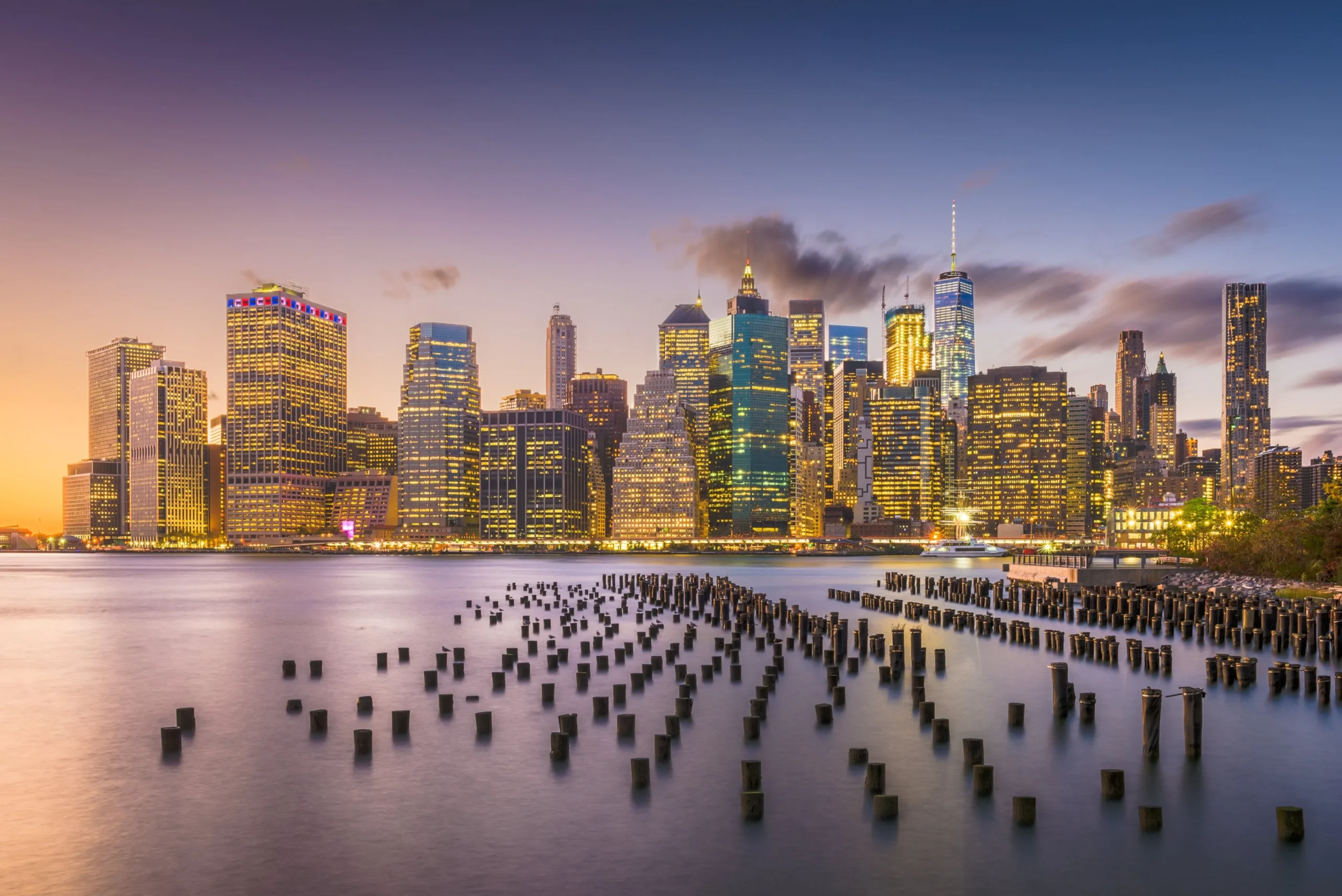
New York City offers an almost unlimited mix of skyline views, architecture, reflections, movement, and human stories. Photograph the Brooklyn Bridge and Lower Manhattan around blue hour, use Central Park to contrast nature with the surrounding towers, or explore Chinatown, SoHo, and the Lower East Side for layered street scenes.
Instead of trying to fit every landmark into one day, select one neighborhood and follow how its mood changes from morning to night. A small camera or compact lens can make street photography less tiring and help you react quickly. After dark, stabilize the camera whenever possible and expose carefully for illuminated signs and windows. Our guide to urban night photography covers common problems with blur, mixed light, and digital noise.
3. Grand Canyon, Arizona
- Photography styles: Landscape, wildlife, night sky
- Best time to visit: Spring or fall for milder rim temperatures
- Best for: Landscape photographers and adventure travelers
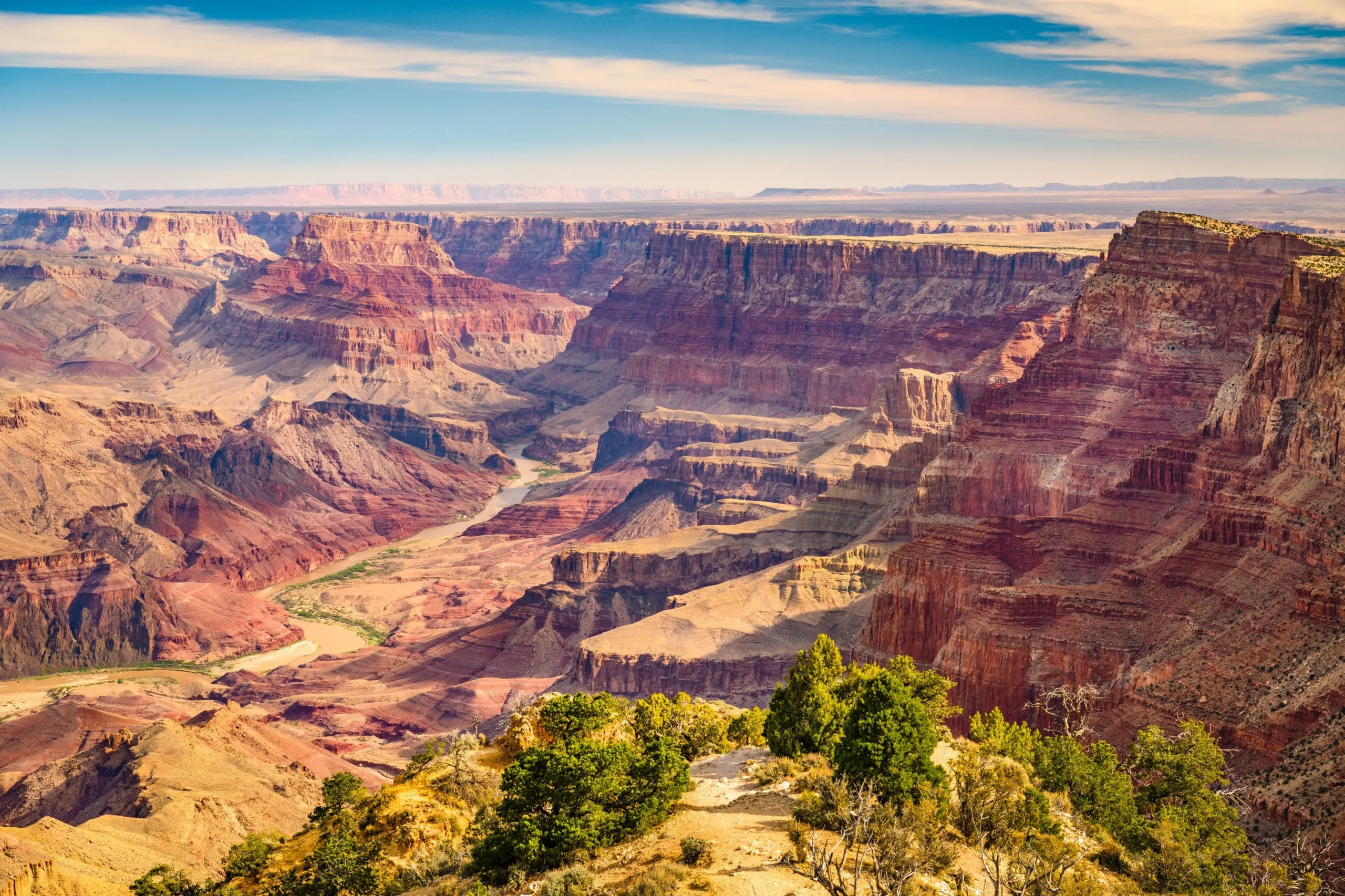
The Grand Canyon’s layered rock formations and sweeping views make it an ideal destination for landscape photographers. For unforgettable sunrise or sunset shots, visit Desert View Watchtower or Hopi Point for unforgettable sunrise or sunset shots.
The Grand Canyon rewards patience more than a single fixed viewpoint. Light moves across the ridges throughout the day, revealing and hiding different layers within minutes. Desert View and viewpoints along the South Rim provide broad panoramas, while Hopi Point is known for expansive views toward the west.
Sunrise and sunset create dramatic color, but the strongest frame may happen before the sun appears or after it drops below the horizon. Include a foreground rock, tree, or figure to communicate scale, and use a telephoto lens to compress distant ridges into graphic layers.
Conditions inside the canyon can be far hotter and more demanding than at the rim. Check weather and trail alerts, carry sufficient water, and do not plan a difficult hike around photography alone.
4. Charleston, South Carolina
- Photography styles: Architecture, street, portrait
- Best time to visit: Spring for flowers and generally pleasant conditions
- Best for: History lovers, couples, and architecture photographers
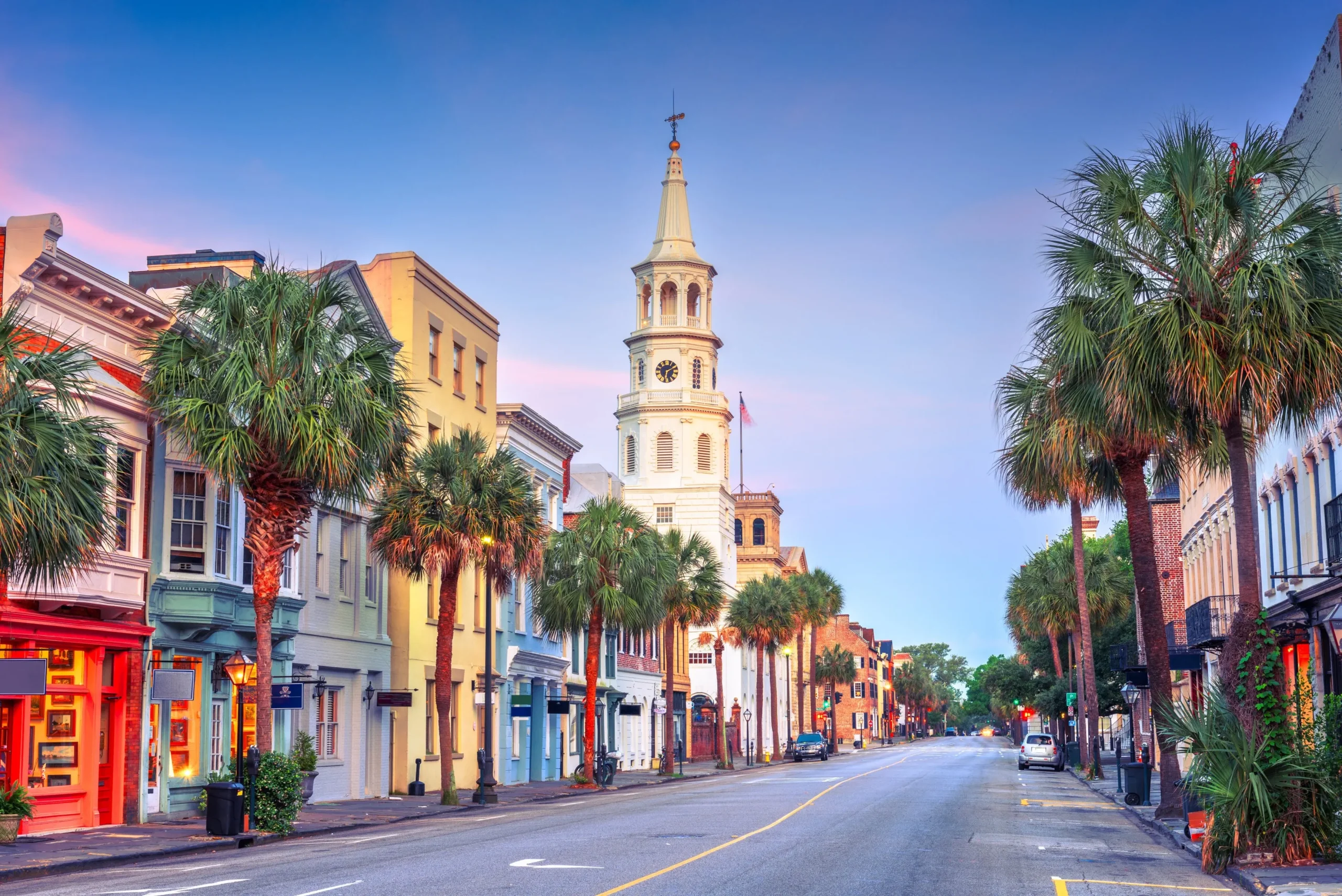
Charleston combines pastel facades, narrow streets, ironwork, gardens, and waterfront views. Rainbow Row is instantly recognizable, but quieter side streets often offer cleaner compositions and more local character. Waterfront Park, the Battery, and the French Quarter provide a useful mix of architecture, portraits, and street details.
Shoot early to avoid harsh contrast on the buildings and to work with less crowded streets. A standard zoom is flexible enough for facades, environmental portraits, and architectural details. Be respectful around private homes and avoid blocking entrances or sidewalks while setting up a shot.
5. Yellowstone National Park, Wyoming, Montana, and Idaho
- Photography styles: Wildlife, landscape, nature details
- Best time to visit: Late spring through early fall for broader access; winter for snow and sparse landscapes
- Best for: Wildlife photographers and nature lovers
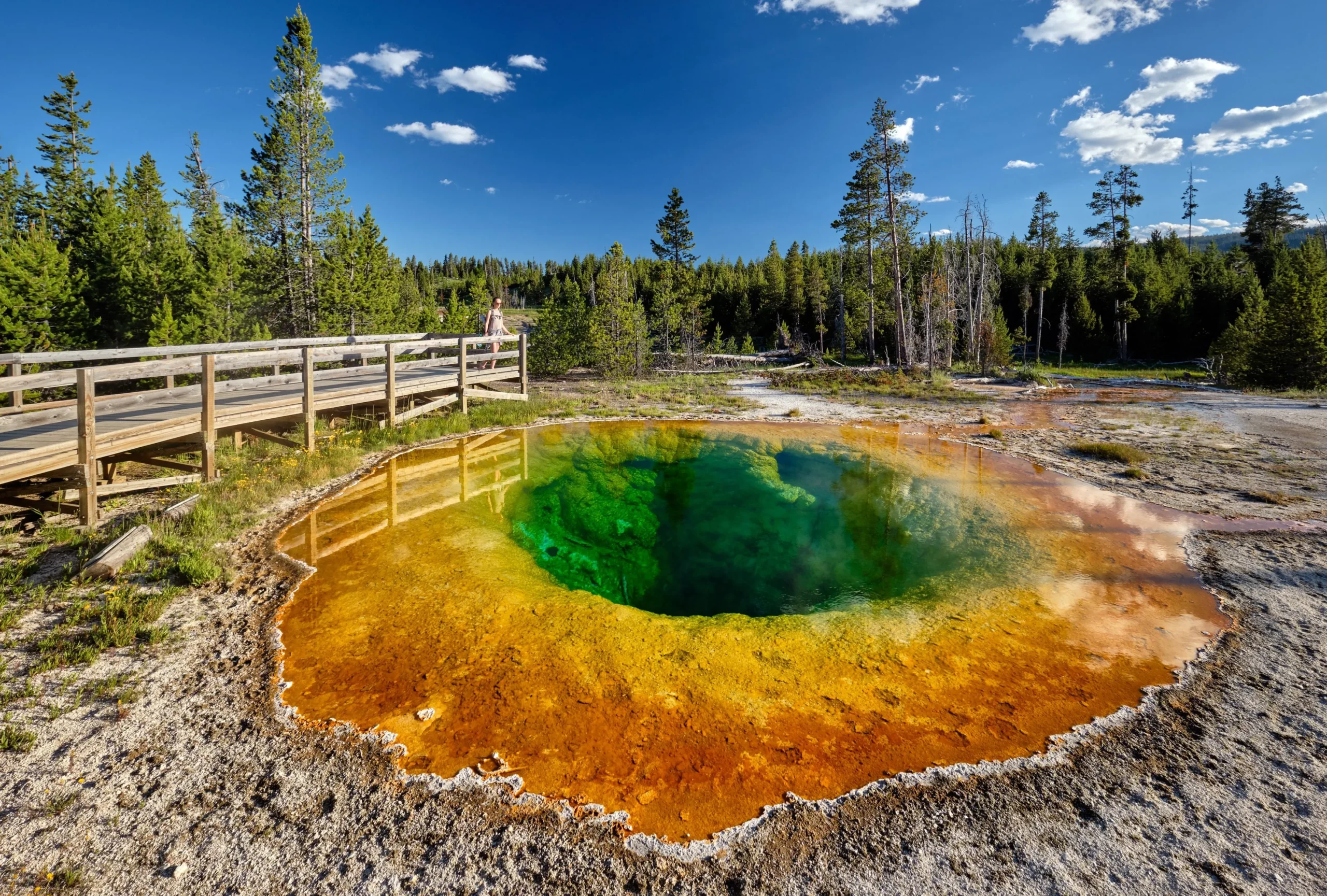
Yellowstone brings geothermal landscapes and wildlife into the same trip. Old Faithful, Grand Prismatic Spring, Mammoth Hot Springs, and the Grand Canyon of the Yellowstone all require different approaches, from wide environmental frames to abstract details.
For wildlife, bring a telephoto lens and keep the distance required by park rules. Never approach an animal for a stronger composition. Early morning and evening often provide softer light and more wildlife activity, but visibility and road access depend heavily on weather and season.
Steam can either hide a scene or become its most useful element. Watch how it moves across the frame and use it to simplify a busy background or create separation around a subject.
Elevate Your Photography with Our Advanced Software
6. Miami, Florida
- Photography styles: Architecture, beach, street, portrait
- Best time to visit: Winter through early spring for warm weather with lower humidity
- Best for: Beach lovers, architecture fans, and portrait photographers
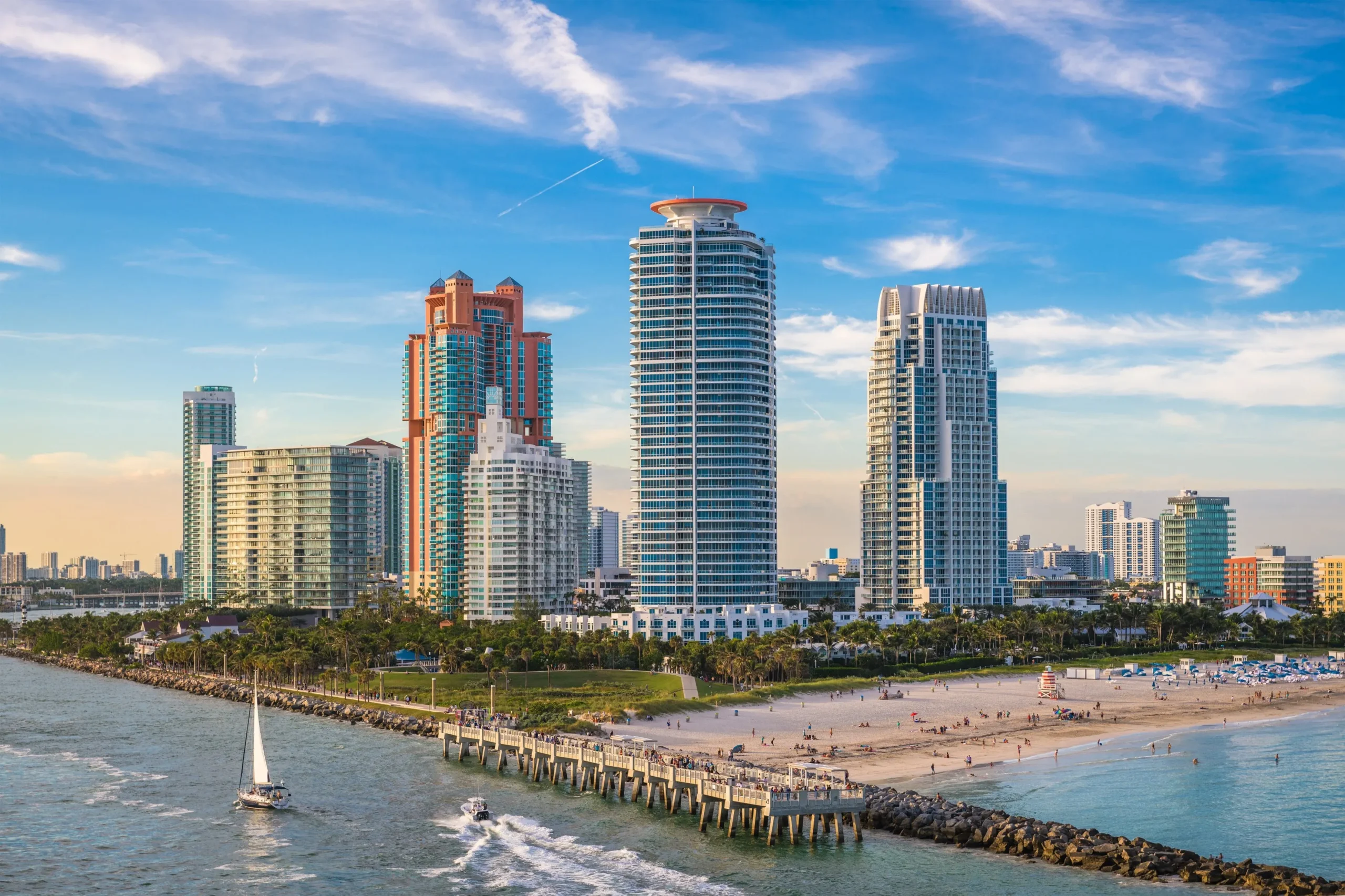
Miami works especially well when you combine its beach atmosphere with its architecture and street life. South Beach offers Art Deco facades, palms, lifeguard towers, and early-morning coastal light. Wynwood is useful for colorful urban details, although murals and access can change over time.
Bright sun can create heavy contrast, so shoot earlier or later in the day when possible. A polarizing filter may help manage reflections and deepen the sky, but rotate it carefully with wide lenses to avoid uneven color. For coastal compositions, use foreground elements such as sand patterns, plants, or reflections. These beach landscape photography tips offer more ways to build depth into a seaside frame.
7. Sedona, Arizona
- Photography styles: Landscape, astrophotography, nature details
- Best time to visit: Spring or fall for milder temperatures
- Best for: Hikers, outdoor travelers, and night-sky photographers
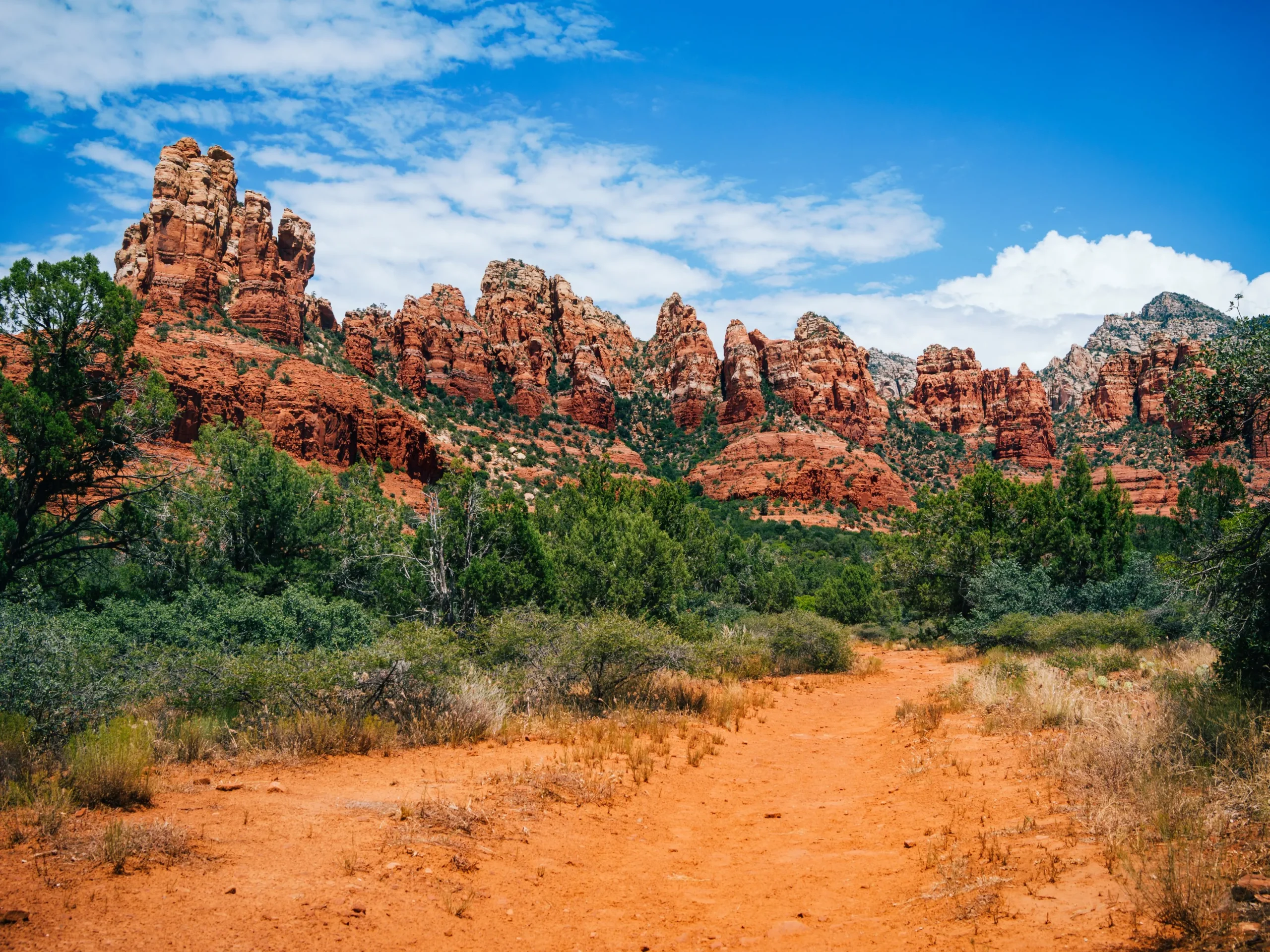
Sedona’s red rock formations, canyons, and desert landscapes offer stunning views. Sunset at Cathedral Rock or a night under the stars at Red Rock State Park is a must for photographers.
Sedona’s red sandstone formations create strong color contrast against blue skies, green vegetation, and changing clouds. Cathedral Rock, Bell Rock, and Airport Mesa are popular, but the best viewpoint depends on trail access, crowd levels, and the direction of light.
Use side light to reveal texture rather than relying only on saturated sunset color. At night, include a recognizable rock silhouette in the foreground so the image remains connected to Sedona. A tripod, wide-aperture lens, and careful manual focus will make the process easier. If you want to experiment beyond a single Milky Way frame, learn how to photograph star trails.
8. Portland, Oregon
- Photography styles: Street, landscape, macro, food
- Best time to visit: Spring through early fall
- Best for: Food lovers, garden photographers, and urban explorers
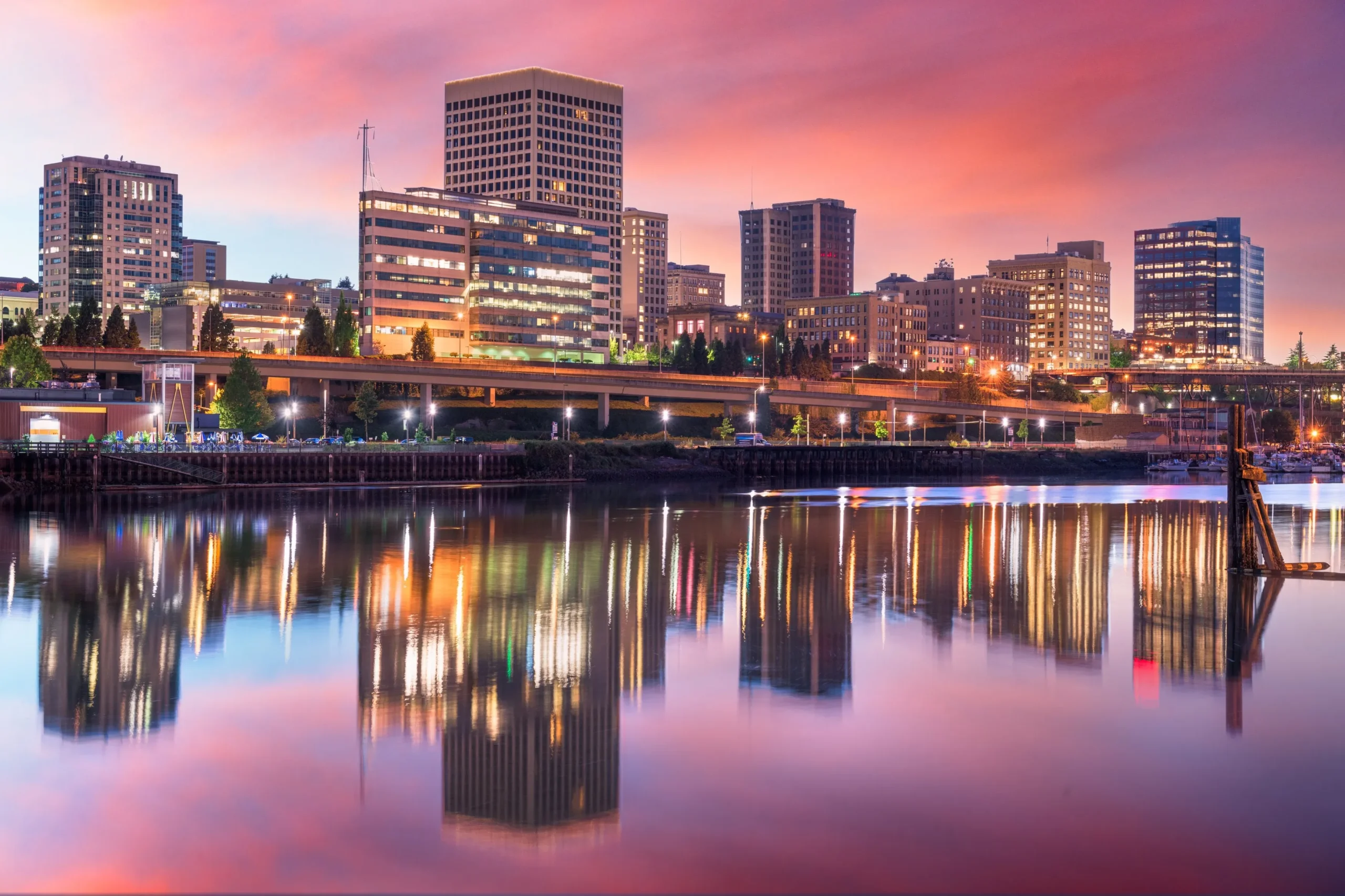
Portland is useful for photographers who want an urban base with quick access to gardens, forests, and waterfalls. Photograph city reflections along the river, explore neighborhood street scenes, or visit the International Rose Test Garden for color and close-up details. Powell’s City of Books is a recognizable stop, but interior photography should always follow the venue’s current rules.
The nearby Columbia River Gorge adds waterfalls and forest landscapes to the trip. Overcast weather is not a drawback here: soft light reduces glare on wet foliage and helps preserve detail. For moving water, use a tripod and experiment with shutter speed rather than automatically choosing the longest possible exposure.
9. Savannah, Georgia
- Photography styles: Architecture, street, portrait
- Best time to visit: Spring or fall for more comfortable walking conditions
- Best for: History enthusiasts and romantic getaways
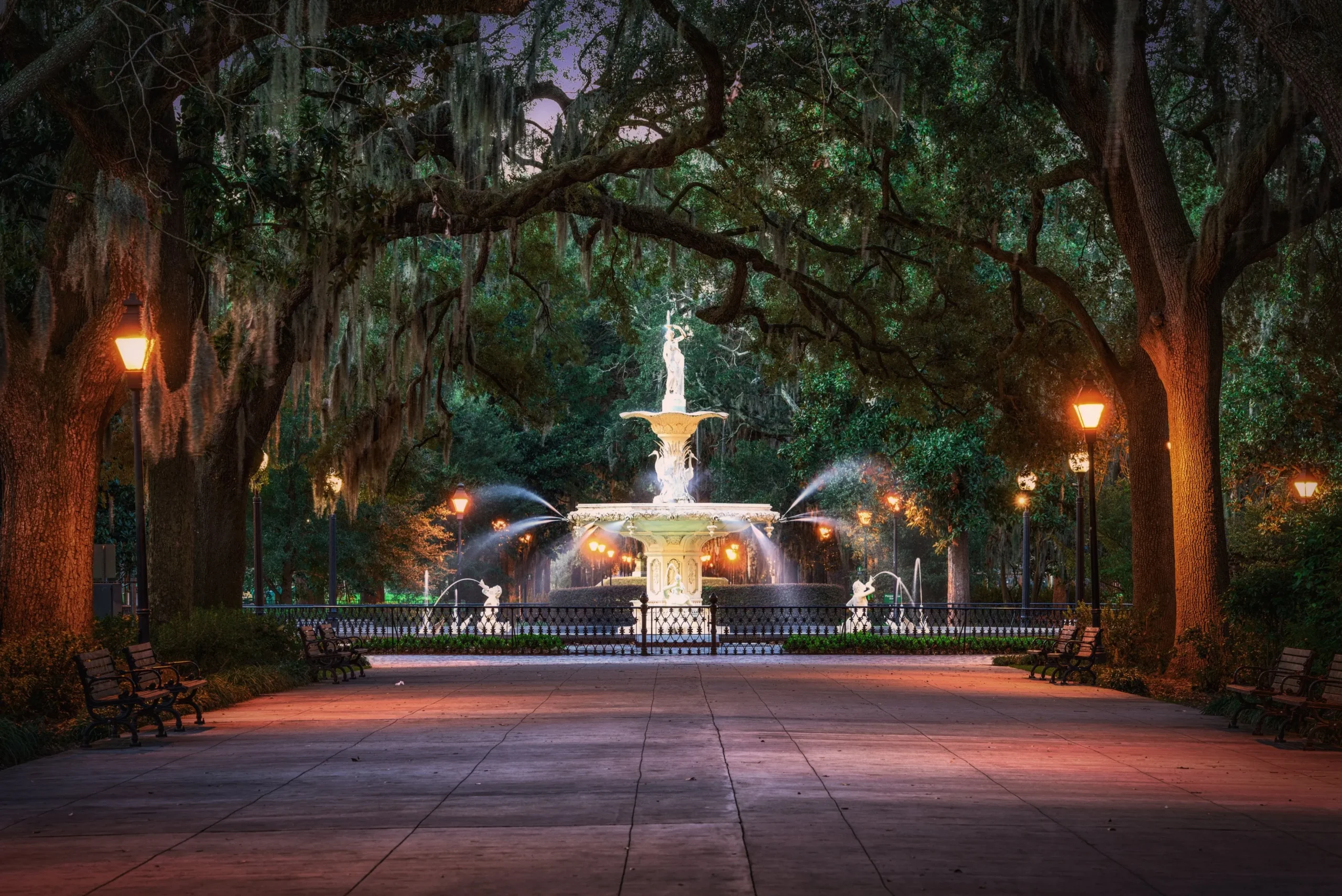
Savannah’s squares, historic facades, shaded streets, and live oaks create a softer visual rhythm than the larger US cities in this guide. Forsyth Park provides open compositions and recognizable architecture, while the Historic District is better explored slowly, one square at a time.
Use the tree canopy as a natural frame and expose carefully so the bright background does not overpower shaded subjects. Morning light can keep the streets quieter, while evening is better for warm architectural details and atmosphere. River Street offers a different visual language with cobblestones, warehouses, signs, and activity along the waterfront.
10. Aspen, Colorado
- Photography styles: Landscape, wildlife, nature details
- Best time to visit: Fall for golden foliage; winter for snow-covered landscapes
- Best for: Mountain lovers, hikers, and winter travelers
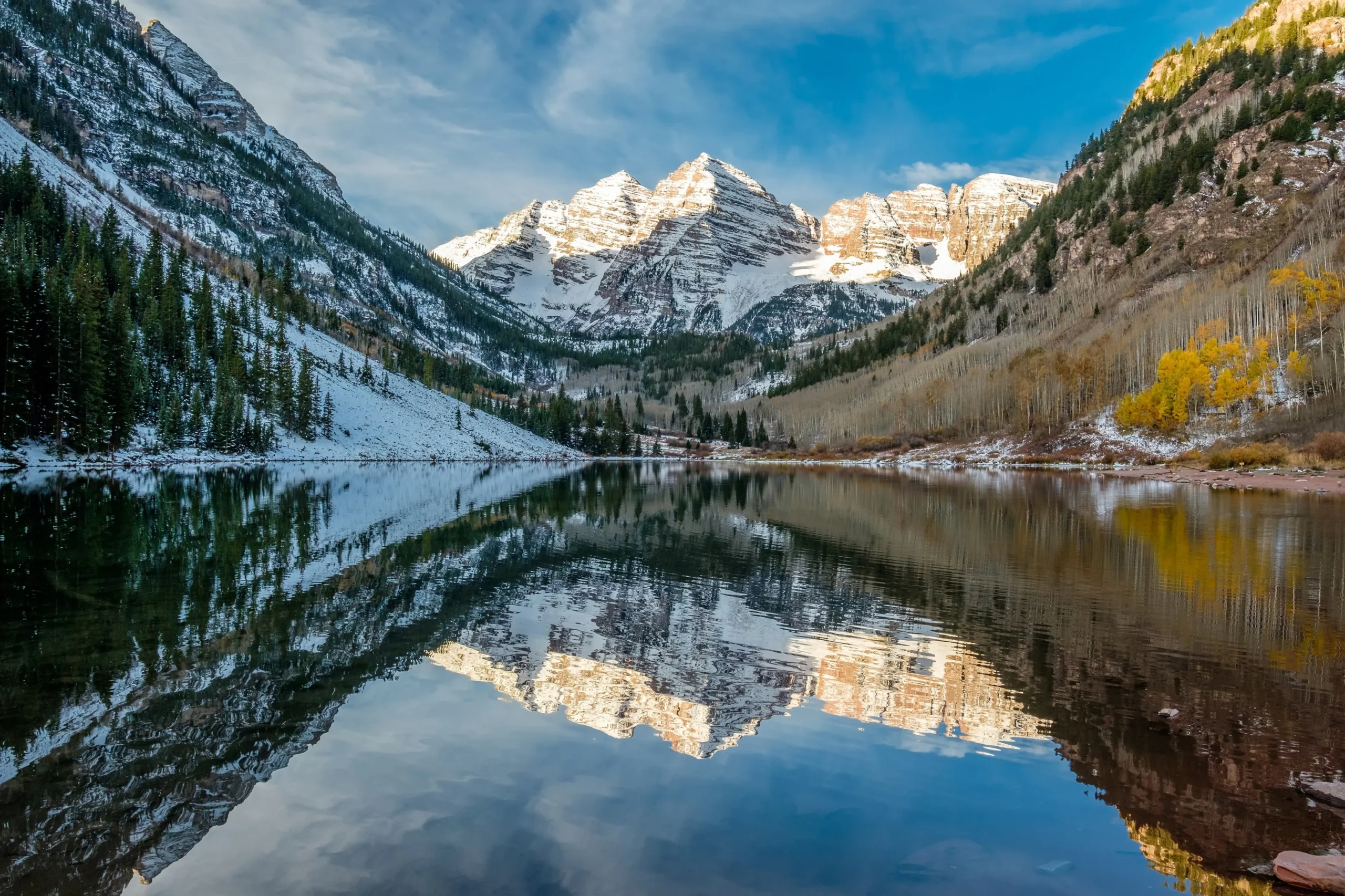
Aspen’s stunning mountain scenery transforms each season. The Maroon Bells are particularly famous for their breathtaking views, especially in autumn.
Aspen changes dramatically with the seasons. Fall brings yellow aspen trees against darker mountain slopes, while winter simplifies the landscape into snow, rock, and sky. The Maroon Bells are the area’s best-known view, but access and transport arrangements are seasonal and should be checked before departure.
A polarizing filter can reduce reflections and strengthen foliage color, although it should not replace careful exposure. In snowy scenes, review the histogram because a camera meter may render bright snow too gray. Mountain weather also changes quickly, so protect your equipment and keep a flexible schedule.
Your AI-Powered Photo Editor for MacOS and Windows
How to Photograph the Best Places in the US
Plan around the subject, not only the destination
Choose the main type of image you want before deciding when to travel. Yosemite waterfalls are strongest in a different season from Aspen foliage, while New York street photography is not dependent on a single month. Research sunrise direction, seasonal weather, local events, and travel time between locations.
Pack a flexible travel kit
A practical kit may include a standard zoom, spare batteries, memory cards, lens cloths, and a lightweight tripod. Add a telephoto lens for wildlife and compressed landscapes or a fast lens for night and street photography. Avoid carrying equipment you will not realistically use.
Protect highlights and shoot RAW
Bright skies, snow, city lights, and reflective water can exceed the camera’s dynamic range. Check the histogram, bracket important landscapes when necessary, and shoot RAW if you plan to recover highlight and shadow detail later.
Respect wildlife, people, and protected places
Follow marked trails and viewing-distance rules, never feed wildlife, and obtain permission when a person is clearly the subject of a portrait. Avoid damaging vegetation or entering restricted areas for a composition. The photograph is never more important than the place or the people in it.
Edit for the memory of the scene
Travel editing should clarify the photograph rather than turn every destination into the same preset. Start with exposure and white balance, control highlights, refine the crop, and then adjust color. Structure and sharpening should support real detail rather than creating halos or harsh texture.
The Bottom Line
The best places to travel in the US are not limited to one type of experience. Yosemite, the Grand Canyon, Yellowstone, Sedona, and Aspen deliver major natural landscapes, while New York City, Charleston, Miami, Portland, and Savannah offer architecture, street life, and local culture.
Choose a destination based on the photographs you want to make, not only the landmarks you want to see. Plan for seasonal conditions, verify current access before leaving, and give yourself enough time to observe how the place changes throughout the day. That combination will produce more memorable images than rushing through a checklist of viewpoints.
Frequently Asked Questions
New York City is a strong first choice for urban travel, while Yosemite or the Grand Canyon may be better for a first national park trip. The right answer depends on whether you prioritize cities, landscapes, wildlife, weather, or driving distance.
Yosemite, the Grand Canyon, Yellowstone, Sedona, and Aspen are among the strongest landscape destinations in this guide. They offer different combinations of mountains, desert formations, geothermal features, forests, and seasonal color.
New York City offers the greatest variety of classic cityscapes and street scenes. Miami is especially strong for Art Deco color, Charleston and Savannah for historic architecture, and Portland for a mix of urban views and nearby nature.
Spring and fall often provide comfortable weather across many regions, but the US covers several climates. Check the specific destination: winter can be ideal for Miami or snowy landscapes, while mountain and park access may be limited seasonally.
Research the light and access before arriving, build compositions around a clear subject, vary focal lengths, protect bright highlights, and leave time for weather changes. During editing, correct exposure and color first, then make restrained local adjustments.