A real-life workhorse?A photographer’s perspective on сamera аunctions and file flexibility of the Sony A7.
A hybrid camera that outperforms any smartphone in terms of quality. A related question is whether the Sony A7 IV is too expensive for beginners? What about its features? In this article, we’ll take a look at all aspects of the Sony A7 IV camera and determine whether it truly deserves to be called a workhorse.
Don’t feel like reading the whole breakdown? We’ve pulled together a quick summary below.
Key Takeaways
- True Hybrid Design: The camera features a dedicated photo/video/S&Q switch located directly beneath the main mode dial, which completely alters the behavior of the device, its menus, and the assigned buttons based on your current workflow.
- Flagship-Level Autofocus: Borrowing precise subject-tracking algorithms from the flagship Sony A1, the intelligent real-time eye-tracking autofocus for people, animals, and birds locks onto subjects flawlessly in both video and photo modes.
- Clinical Color Profiles: The camera’s signature color rendering leans toward cold, mathematical precision, making the image quality appear flat and too digital straight out of the camera.
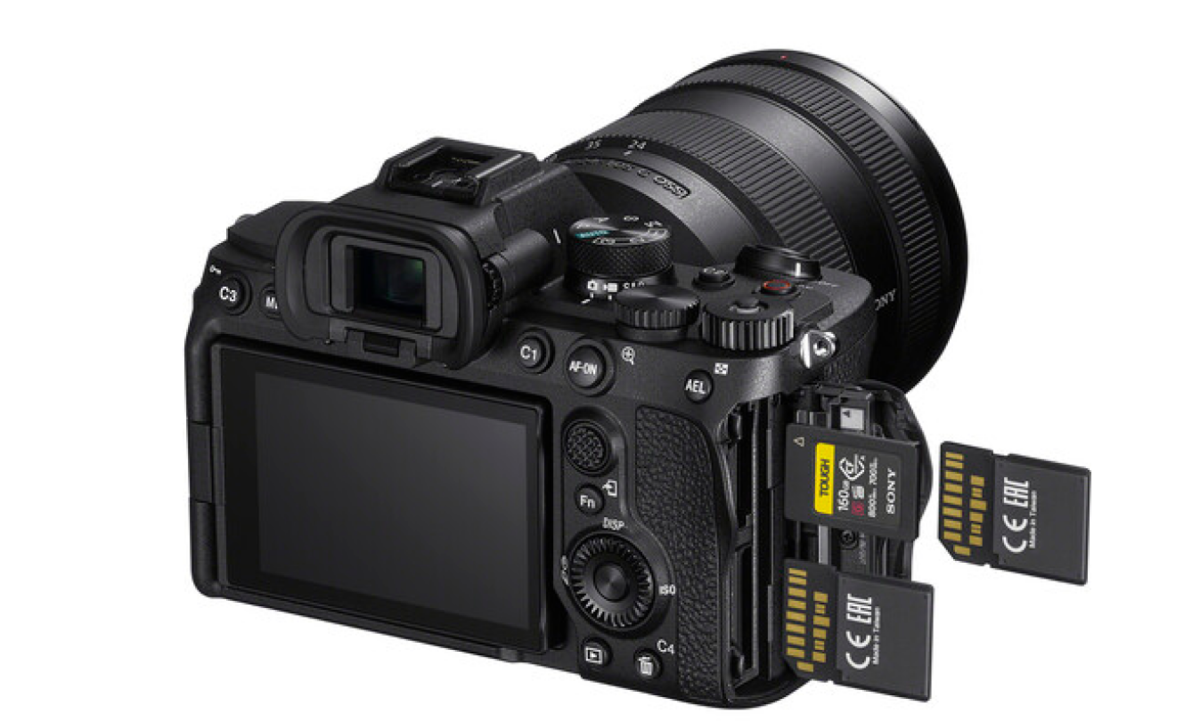
- Storage and Software Requirements: It boasts a dual card slot where the combo slot supports ultra-high-speed CFexpress Type A cards required for maximum high-bitrate video modes, while standard UHS-II SD cards suffice for RAW photos.
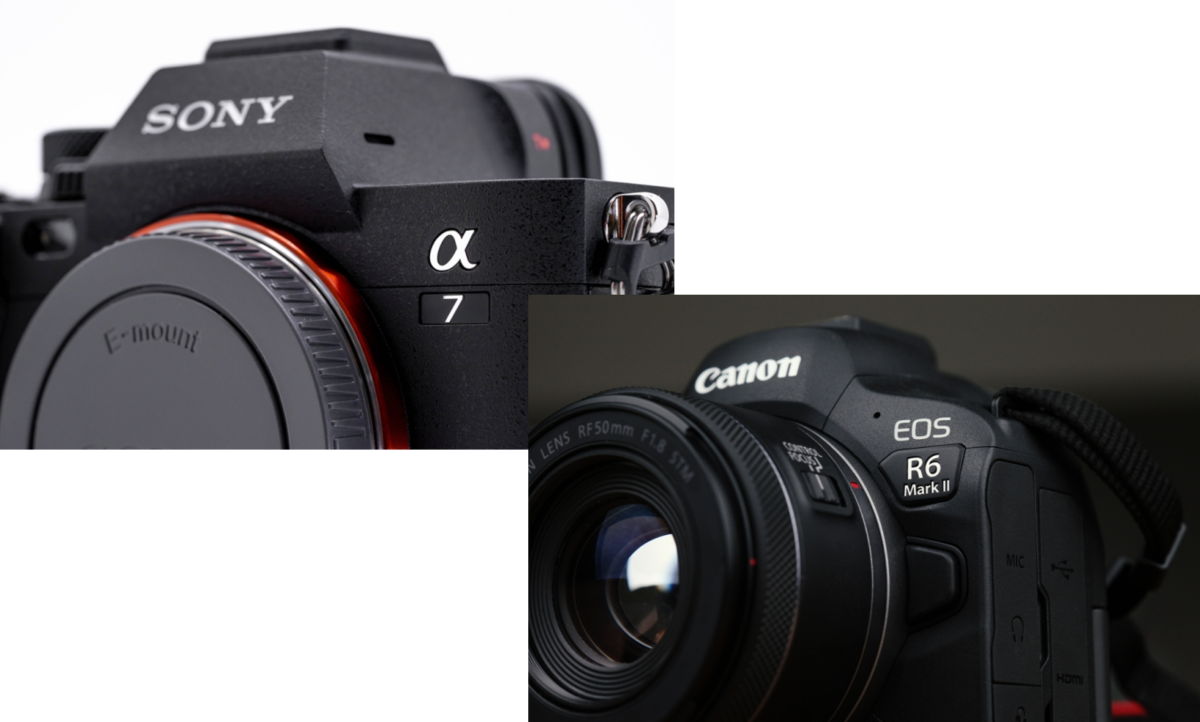
- Comparison with Canon EOS R6 Mark II: Sony offers a higher 33 MP resolution for cropping compared to Canon’s 24.2 MP. However, Canon provides a massive speed advantage alongside softer, more artistic skin tones straight out of the camera.
- Low-Light Capability vs. Sensor Readout: The 33-megapixel Exmor R sensor, paired with the BIONZ XR processor, excels at pulling out details from deep shadows in night photography and astrophotography.
Overview of the Sony A7 IV
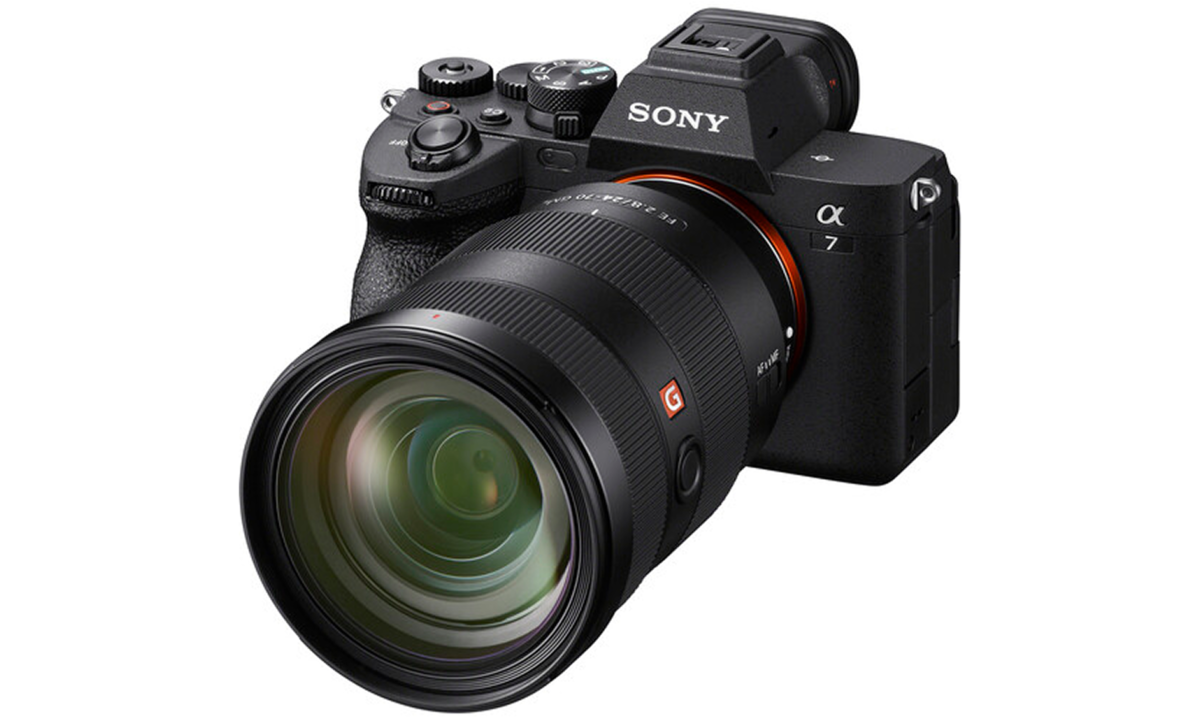
The camera’s hybrid nature is highlighted by the main photo/video/S&Q switch located beneath the main mode dial. Changing this dial completely alters the behavior of the Sony A74, its menus, and the assigned buttons.
For focusing precision, the system utilizes tracking algorithms derived directly from the flagship Sony A1 model to deliver highly accurate subject detection. The real-time eye-tracking autofocus independently locks onto people, animals, and birds, maintaining a reliable hold across both high-resolution photography and video recording modes.
Focus breathing compensation corrects changes in focal length when shifting focus between different subjects. Additionally, the interface introduces a visual focus map overlay that represents the current depth of field using intuitive colored blocks, offering a clearer alternative to standard focus peaking lines.
Personal Experience with Sony Cameras
No matter how mixed the opinions on the device may be, all users describe how amazed they are by the real-time autofocus. Compared to older models, it feels like you’re “cheating at photography.” You no longer need to aim for the focus point or think about composition while moving. The camera finds the eye on its own and locks onto it, even if the subject turns their back for a second.

The new firmware and menu of the Sony A7 IV mirrorless camera have improved greatly, though beginners often complain that they get lost in the customization options. The camera requires configuring every button, which can be difficult without spending a long time learning the features or getting help from a professional.
Many photographers find the camera’s color rendering too digital and lacking in artistic “character.” Because of this, RAW files from the Sony A7 IV almost always require post-processing. Users suggest using tools like Structure AI to add more detail and contrast to images.
The community is unanimously complaining about the lens. Beginners who buy this kit often post on Reddit saying things like: “I spent a ton of money, and the photos don’t look any better than on my iPhone 15 Pro.” And if they follow the forum’s advice and buy at least a budget prime lens, do they realize what true depth of field, volume, and detail from a full-frame sensor really are?
Transitioning Back to Sony
It’s obvious that people are returning to Sony because of its sharp focus. Especially during dynamic news coverage or when shooting portraits at wide apertures, the camera does all the work for the photographer.
However, you’ll have to get used to the Sony A7IV image quality that is flat and “too digital”. You’ll definitely need to “tweak” the files in a photo editor to breathe life into them. Of course, you can inject color into your images with Luminar unless you want to bother with manual adjustments. Today, artificial intelligence can correct the sensor’s flatness, automatically adding depth and proper lighting to your shots.
Exclusive Tools of Endless Possibilities in One Editor
Key Features and Compatibility
In addition to its hybrid system and autofocus, the Sony A74 boasts a new 33-megapixel sensor. Exmor R, combined with the powerful BIONZ XR processor, helps photographers to experiment with night photography or astrophotography, as the sensor excels at “pulling out” details from deep shadows.
- Lenses and Mount. Sony A74 is compatible with a vast array of high-quality lenses from third-party manufacturers such as Sigma, Tamron, or Samyang. By the bye the camera switches to Super 35 mode (1.5x crop) during shooting 4K/60p. Additionally, the proprietary focus breathing compensation feature is supported only with certain original Sony lenses.
- Memory cards. The camera is equipped with a dual card slot. The first slot is a combo slot and supports both ultra-high-speed CFexpress Type A cards and standard UHS-II SD cards. The second slot is compatible exclusively with UHS-II SD cards. Fast SD cards are suitable for shooting photos in RAW or standard video, though for maximum high-bitrate video recording modes, you’ll need the speed of CFexpress.
- Software. The camera is fully compatible with the latest Creators’ App for remote control and file transfer. However, Sony’s camera requires strict adherence to the update sequence, otherwise there is a risk of system failure.


Sometimes the Sony A7 IV sensor requires compensation for sensor noise and dynamic range. There are many photo editors available, so you need to calculate your budget on software websites, such as Luminar Neo price.
Your AI-Powered Photo Editor for MacOS and Windows
Comparing Sony A7 IV with Canon
Photographers often find themselves torn between the precision of automatic settings and the artistic interpretation of an image. Sony’s full-frame sensor offers high resolution that captures the finest textures, while Canon’s system traditionally appeals to photographers with its speed and soft skin tones. Both brands have sought to balance the core parameters influenced by the official specifications and technical capabilities of each model.
| Specifications | Sony Alpha 7 IV | Canon EOS R6 Mark II |
| Resolution | 33 MP—provides room for cropping | 24.2 MP—the standard for reportage |
| Continuous shooting speed | Up to 10 fps (drops at maximum quality) | Up to 40 fps with electronic shutter |
| 4K Video at 60p | With a forced 1.5x crop (Super 35) | Full-frame |
| Autofocus | Intelligent tracking of humans, animals, and birds | Proprietary Dual Pixel CMOS AF II with vehicle recognition |
| Ergonomics & color | Computer-like menu system | Comfortable deep grip; artistic colors straight out of the camera |
| Lens ecosystem | Vast selection of third-party lenses (Sigma, Tamron) | Limited choice of third-party native optics supporting autofocus tracking |
| Release date | October 21, 2021 | November 2, 2022 |
| Price (Body only) | $2,499 USD | $2,499 USD |
The choice of camera comes down to the specs of your particular tasks. For commercial shoots, where you need large files for print and want to save money on third-party lenses, a Sony will serve you well. Canon, on the other hand, offers a noticeable advantage in terms of speed, although the cost of a kit with original RF-series lenses can be quite high.
That said, you can still produce dynamic reports with your Sony. Of course, this won’t be possible without tools to adjust contrast or studio lights to simulate studio flashes. Always consider the unique capabilities of each system, how you plan to capture your footage, and how much time you’re willing to spend on post-processing.
Elevate Your Photography with Our Advanced Software
Image Quality and Performance
As mentioned earlier, Sony’s 33-megapixel sensor captures the finest details or crops images without losing sharpness. However, as users have noted in discussions, this high resolution can sometimes seem too “sterile,” requiring hours of editing. For the most part, this comes down to contrast to emphasize your view or portrait. Avoid the hassle of manual adjustments and use a smart contrast enhancer to manage highlights, midtones, and shadows.
In terms of pure speed, the camera supports shooting up to 10 frames per second, though users note that the frame rate drops when switching to maximum quality in uncompressed RAW format. The sensor’s readout speed can cause a slight rolling shutter effect when panning dynamic scenes, however, the result will still be stable.
Final Thoughts on the Sony A7 IV

The Sony Alpha 7 IV lives up to its reputation as a hybrid workhorse thanks to its intelligent autofocus and wide dynamic range. The complex menu takes time to master and requires customizing the buttons to suit your needs. The sensor’s signature color profile is geared toward cold, mathematical precision, so images straight out of the camera often appear too digital, flat, and lacking in artistic “character.”
The camera is marketed as a professional-grade model, requiring precision and a high level of technical expertise from the photographer. Since the raw files tend to lack dynamic range, your final results will depend largely on post-processing and the choice of software, which will help infuse your images with the desired mood and texture.