The competition for the best smartphone camera 2026 is closer than ever, so I spent weeks testing the biggest flagship cameras side by side.
Over the past few months, I used the iPhone 17 Pro Max, Samsung Galaxy S26 Ultra, and Google Pixel 10 Pro XL in the same real-world shooting conditions. These are widely considered some of the best phones for photography, so I wanted to see how they actually performed beyond their specs.
It soon became evident that there is no winner. Every phone is suited to its own set of situations, and your best bet depends on the type of photos you take. Here is how they stacked up against each other after several weeks of comparison tests.
Key Takeaways
- The iPhone 17 Pro Max wins on video quality and color consistency, making it the strongest pick for content creators.
- The Samsung Galaxy S26 Ultra has the most versatile hardware, with two telephoto lenses reaching 3x and 5x optical zoom.
- The Google Pixel 10 Pro XL produces the most natural low-light photos thanks to its Night Sight processing.
- Budget phones like the Google Pixel 10a now deliver computational photography quality that was flagship-only three years ago.
- Megapixel count alone does not predict image quality; sensor size and processing software matter more.
Best Smartphone Cameras for Different Photography Styles
Here is the comparison table I put together after putting all three flagships through identical scenes and lighting.
| Feature | iPhone 17 Pro Max | Samsung Galaxy S26 Ultra | Google Pixel 10 Pro XL |
| Main sensor | 48MP, f/1.78 | 200MP, f/1.4 | 50MP, f/1.68 |
| Ultrawide | 48MP, f/2.2 | 50MP, f/1.9 | 48MP |
| Telephoto | 48MP, 4x optical, f/2.8 | 10MP 3x f/2.4 + 50MP 5x f/2.9 | 48MP, 5x f/2.8, up to 100x zoom |
| Video features | ProRes Log, Dolby Vision, professional video workflow | 8K APV, Super Steady | 8K with Video Boost |
| Best for | Video, color | Zoom range | Low light, stills |
iPhone 17 Pro Max

I have used the iPhone 17 Pro Max in various indoor and outdoor settings, and what caught my attention is how consistent it is. Its colors and skin tones stay true regardless of the lighting, whether under bright sunlight or in low-light indoor conditions. The 4x telephoto lens performs exceptionally well, while Samsung covers a wider zoom range with dedicated 3x and 5x telephoto cameras. When it comes to video, this is the best phone I have tested yet.
Samsung Galaxy S26 Ultra

When it comes to zoom photography, the Galaxy S26 Ultra does not disappoint. With its 200 MP primary camera, 50 MP ultrawide camera, and two telephoto cameras, it offers far more freedom than the iPhone or Pixel. In my experience, photos taken with the 5x telephoto camera were sharper and clearer than those taken with the 3x lens, especially when photographing birds and buildings at a distance. Yet, with Samsung’s processing, the pictures come out quite bright and saturated.
Google Pixel 10 Pro XL

From my experience, the Pixel 10 Pro XL can be the best camera phone in the world for night photography. It uses a 50 MP main lens with an aperture of f/1.68, which produces cleaner shadows, balanced exposure, and natural detail in difficult lighting. The improved Pro Res Zoom can zoom up to 100x, while the new Camera Coach feature enables you to capture great images effortlessly. Video quality has gotten better, but Apple wins in pro videography.
In-Depth Comparison of Camera Performance Across Leading Phone Brands

Specs are not everything. In daylight, all three cameras are very effective. Still, in the dark, you only see the difference in performance between them, with the iPhone camera offering better features, such as ProRes Log and Dual Capture.
For stills, here is what I noticed across repeated sessions:
- Dynamic range: The Pixel pulled the most detail from shadows in backlit scenes, with the Galaxy a step behind in default mode.
- Color science: Apple stays closest to true to life, Samsung boosts saturation, and Google leans warm.
- Detail retention: The Pixel held fine texture better than Samsung, whose processing scrubs detail, which it reads as noise.
- Zoom quality: Samsung and the Pixel both beat the iPhone past 5x, though all three soften noticeably beyond 10x.
If you’re wondering what phone has the best camera, the answer depends on what you shoot most. No device is the top camera phone in the world in every category.
How to Choose the Right Smartphone Based on Your Photography Needs

The best camera phone depends on what you photograph most often. Match your shooting style to the phone’s biggest strengths.
| If you mainly shoot… | Prioritize this | Best fit |
| Portraits and street photography | Natural skin tones, reliable subject detection, and a quality telephoto lens | iPhone 17 Pro Max |
| Wildlife or sports | Long-range optical zoom and fast autofocus | Samsung Galaxy S26 Ultra |
| Video content and social media reels | Excellent stabilization, 4K recording, and consistent color | iPhone 17 Pro Max |
| Low-light and night scenes | AI-powered processing and strong dynamic range | Google Pixel 10 Pro XL |
Once you’ve captured the shot, editing can make an even bigger difference. I usually fine-tune my photos in Luminar for Mobile, especially when working with RAW files, since its AI tools make it easy to reduce noise, recover details, and enhance images directly on my phone.
Essential Camera Features That Matter Most in 2026 Smartphones
While megapixels make the headlines in terms of marketing, they do not affect image quality on their own. Counts matter little when sensor sizes are small and lenses used are of poor quality. Here is what I actually check now:
- Sensor size, not megapixel count, since larger sensors gather more light for cleaner files in dim conditions.
- Aperture width, because a wider aperture, like f/1.4, lets in more light without raising ISO.
- Optical image stabilization, critical for handheld low-light shots and video.
- Computational processing, since software now does as much work as the lens, especially at night.
- Optical zoom range, because digital zoom past the optical limit always sacrifices detail.
User Experiences: Top-Rated Camera Phones Among Mobile Photographers

Based on my experience and the consensus from professional reviewers, again, these are the camera phones most frequently recommended in 2026:
- iPhone 17 Pro Max: The best cell phone camera for video creators, natural color reproduction, reliable autofocus, and consistent performance across all lenses.
- iPhone 17: A great choice for users who want Apple’s signature image processing, accurate colors, and excellent video quality without stepping up to the Pro lineup.
- Samsung Galaxy S26 Ultra: The top choice for zoom photography, landscapes, and capturing fine details with its versatile telephoto system.
- Google Pixel 10 Pro XL: Excellent for point-and-shoot photography, portraits, HDR, and some of the best night photography thanks to Google’s AI processing.
Budget-Friendly Phones With Professional-Grade Camera Capabilities
You no longer need a flagship to capture excellent photos. If you’re shopping on a budget, these phones stand out based on my experience and expert reviews:
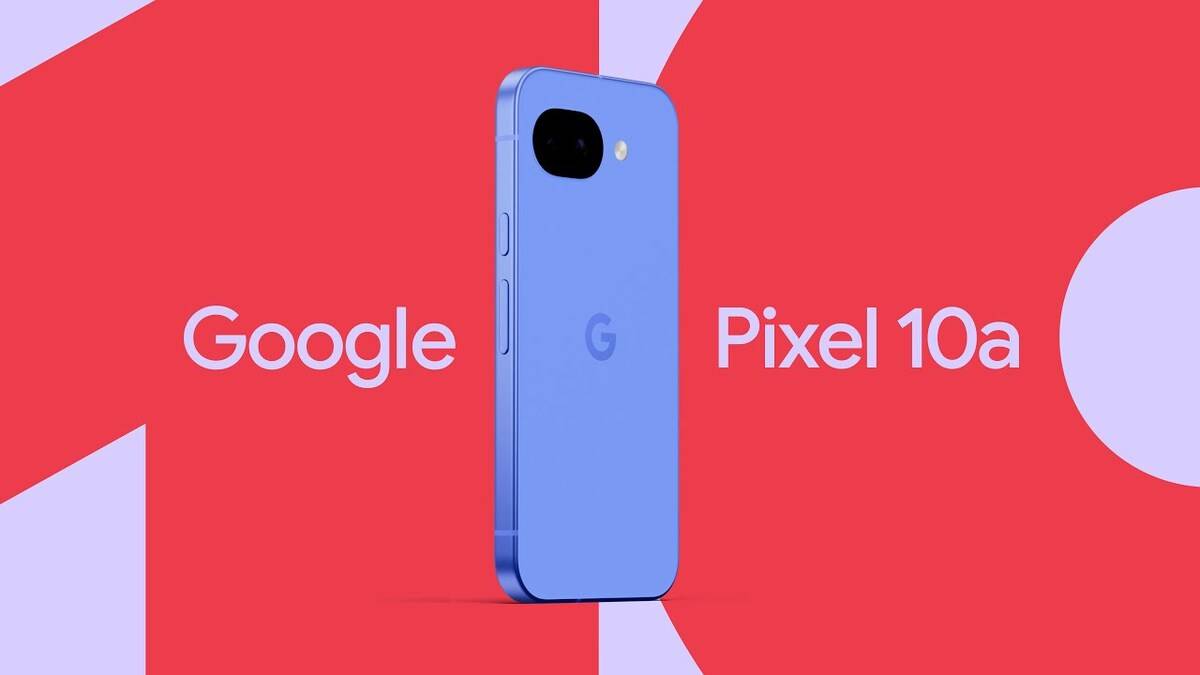
- Google Pixel 10a: The finest choice for photography, with excellent computational processing, natural colors, reliable HDR, and impressive low-light performance.
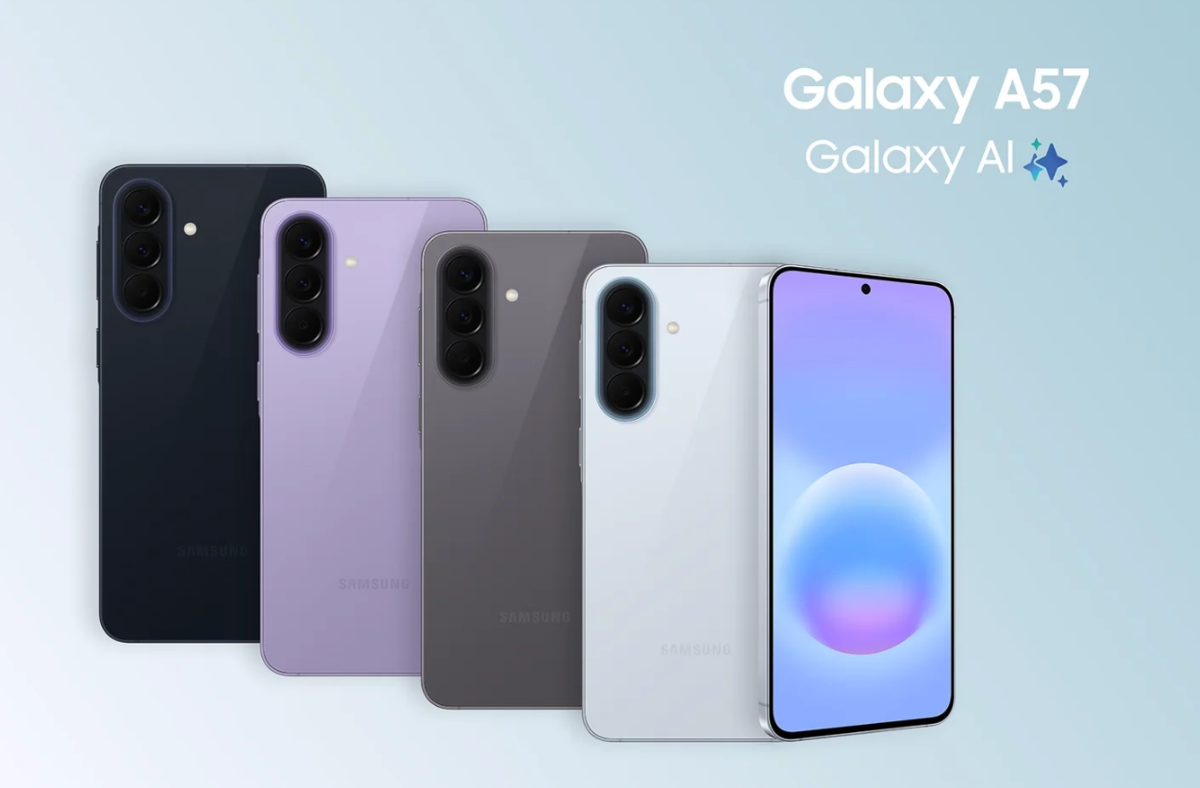
- Samsung Galaxy A57: It is an all-around option with a versatile camera setup, big screen size, and solid build quality, but its macro camera and lack of a separate telephoto camera are drawbacks when it comes to photography.
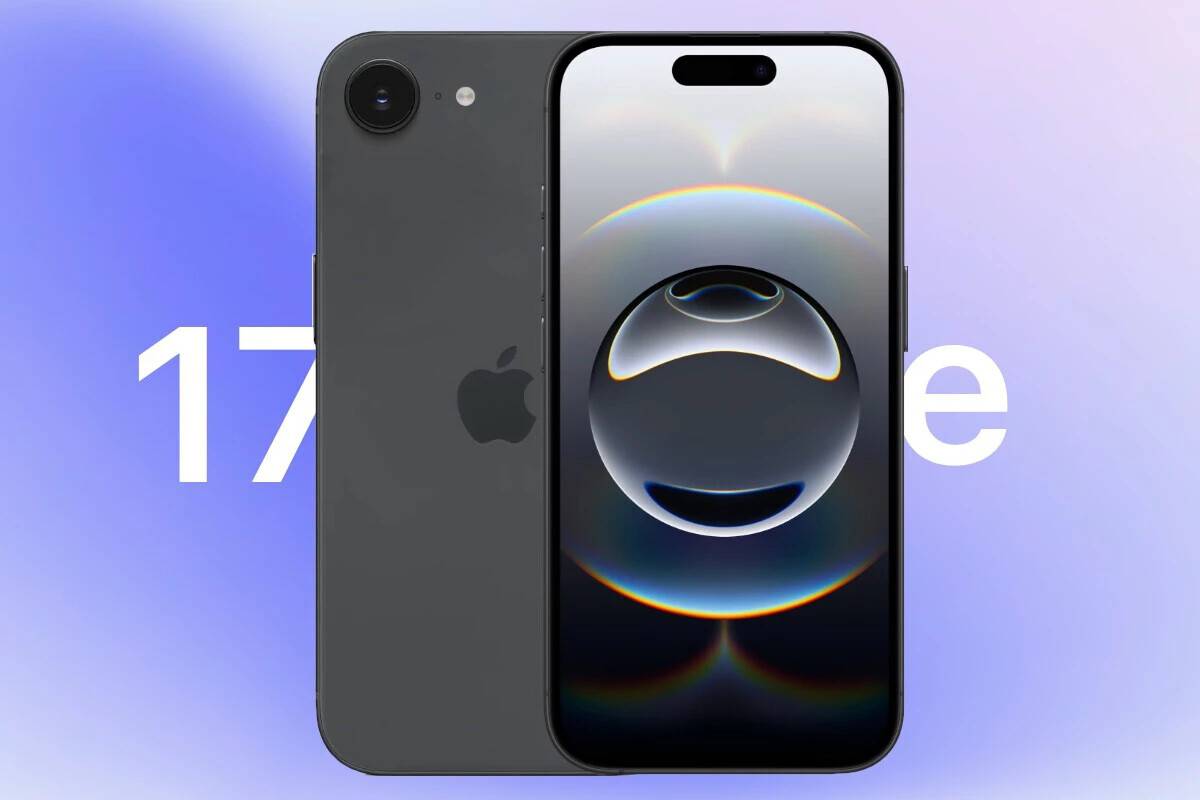
- iPhone 17e: A great budget-friendly choice for users who want Apple’s reliable image processing, accurate colors, and excellent video quality without paying flagship prices.


Cameras That Excel in Low-Light and Night Photography

After trying out these top-of-the-line devices in dark restaurants, streets, and city streets after dark, here’s how they work in low light conditions:
- Google Pixel 10 Pro XL: The best overall for night photography thanks to Night Sight, excellent HDR, and AI processing that recovers shadow detail while keeping noise to a minimum.
- iPhone 17 Pro Max: Produces the most natural-looking night photos with accurate colors, realistic lighting, and excellent video quality in low-light conditions.
- Samsung Galaxy S26 Ultra: Excels at bright, detailed nighttime photos with its improved Nightography mode and large 200 MP sensor, making it especially strong for cityscapes and zoom shots after dark.
Professional Editing. Now in Your Pocket.
Download Luminar on your Mobile Device
Feedback and Reviews on Latest Smartphone Camera Innovations
The latest reviews indicate that advances in smartphone camera technology in 2026 will depend more on software than on hardware. The iPhone sets new standards for video recording and color reproduction, Samsung excels at producing a variety of zoom systems, and Google sets a new bar for AI-driven photo-taking in high-dynamic-range and low-light scenarios. It seems that increasing the number of megapixels is no longer a priority for manufacturers.
My Final Take
If I had to recommend just one feature from each phone, it would be simple: choose the iPhone for video, Samsung for zoom, and the Pixel for effortless photography. Each one excels in a different area, so the right choice depends on how you use your camera.
There isn’t any clear winner in 2026 either. The best phone camera is the one that suits your photography style, whether it’s filming, long-range shooting, or simply snapping great pictures on the go.