Plan fall engagement outfits that suit your location and weather. Explore casual and dressy combinations, color palettes, and a simple preparation checklist.
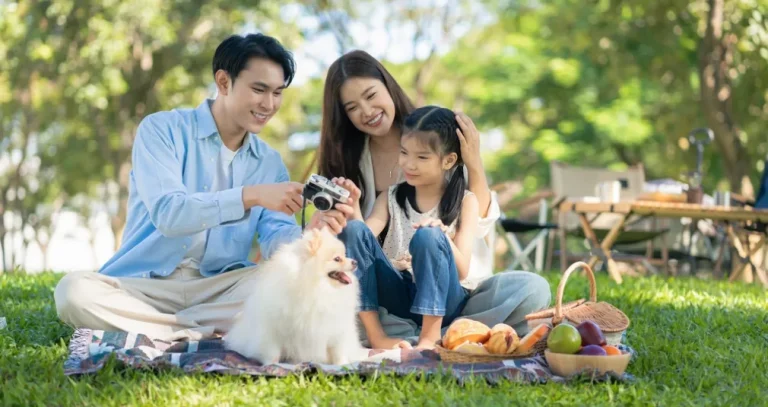
Fall engagement outfits work best when they suit the location, keep you comfortable, and look coherent together. That might mean knitwear and denim in a café, a dress and tailored layers in a park, or two polished coat-and-trouser combinations in the city.
Start with one outfit you already enjoy wearing, build your partner’s look around a compatible palette, and choose layers and shoes for the actual weather and terrain. Coordinate the level of formality rather than trying to match every item.
There is no requirement to wear orange, buy a new wardrobe, or wait for yellow leaves. These ideas help you create an autumn look around your own style and the setting you have.
Don’t feel like reading the whole breakdown? We’ve pulled together a quick summary below.
Key Takeaways
- Choose the location and mood first. An open field, café, and formal city setting call for different practical choices.
- Coordinate without duplicating everything. A shared palette, similar formality, and compatible textures usually provide enough connection.
- Plan warmth as part of the outfit. A coat, cardigan, or scarf can appear in the photographs rather than being something you need to hide.
- Test the complete look in movement. Walk, sit, and stand together before the session, including shoes and outerwear.
- Keep photography and editing realistic. Good light, readable framing, and careful finishing matter more than forcing an autumn effect into every image.
Fall Engagement Outfit Ideas at a Glance

Treat these as combinations to adapt, not fixed assignments for either partner.
| Setting or mood | One outfit | Coordinating outfit | Useful finishing detail |
| An open field | Olive midi dress, cream cardigan, ankle boots | Oatmeal knit, dark trousers, brown boots | A simple warm layer in a shared neutral |
| A colorful park | Burgundy dress or separates, dark boots | Navy jacket, pale shirt, charcoal trousers | Keep accessories quieter than the foliage |
| A neighborhood café | Ivory sweater, dark jeans, loafers | Fine-knit cardigan, cotton shirt, straight trousers | Coats that look good worn and carried |
| City streets | Tailored jumpsuit or dress, wool coat | Suit separates or a neat knit with tailored trousers | One restrained accent color |
| A relaxed rustic setting | Textured skirt or trousers, simple knit | Cotton shirt, cardigan, dark denim | A single checked or patterned piece |
| A cool lakeside session | Knit dress or separates, long coat, boots | Roll-neck knit, coat, textured trousers | Warmth and footwear suited to the ground |
You can also build either side of a pairing with trousers, a suit, or a dress. The relationship between the looks matters more than assigning a particular silhouette to each person.
The Photo Perspective Correction Tool You've Been Waiting For
How to Coordinate as a Couple

Begin With One Anchor Piece
Choose one item that establishes the mood: a burgundy dress, a navy coat, an olive jacket, or a favorite textured sweater. Then select the other outfit in relation to it.
If the first outfit contains a pattern, pull a quieter color from that pattern into the second look. If both are simple, use texture or a small accessory to create variation.
Avoid trying to solve every detail separately. Putting the complete outfits together makes it easier to see whether they belong in the same photograph.
Match the Level of Formality
A formal dress beside a very casual sports outfit can feel disconnected unless the contrast is deliberate. Likewise, one person in polished tailoring and the other in an outfit chosen mainly for hiking may need a shared plan.
You do not need identical garments. A simple dress and a cardigan can share a relaxed mood with neat denim and a knit. Tailored trousers can work beside another tailored outfit without matching its exact color.
Use a Manageable Palette
Choose a small group of compatible colors rather than making every piece a statement. A neutral base with one or two stronger colors is a useful starting point.
Lay both outfits on a bed or floor, including coats and shoes, and photograph them together. Then try them on: a flat arrangement cannot reveal fit, movement, or how the colors interact around your faces.
What Colors Work for Fall Engagement Pictures?

The most useful palette depends on the background and the finish you prefer. Strong foliage does not automatically require equally strong clothing.
| Palette | Where it can work | What to watch |
| Cream, olive, and dark brown | Fields, woodland, quiet outdoor settings | Check that pale pieces retain detail in bright light |
| Burgundy, navy, and soft gray | Yellow foliage or pale urban backgrounds | Keep enough distinction between adjacent dark layers |
| Camel, charcoal, and ivory | Cafés and city streets | Compare camel clothing against similarly colored walls |
| Dusty blue, oatmeal, and chocolate | Dry grass or warm-toned leaves | Make sure the palette still feels natural to your style |
| Muted rust, deep green, and cream | Mixed greenery and subdued autumn color | Rust can blend into an orange background |
| Black, off-white, and one accent | Architecture and a more formal look | Preserve separation between dark clothing and dark surroundings |
These are styling suggestions rather than rules about which colors suit particular people. Compare the clothes in daylight and in the setting when possible.
Ask the photographer how they usually render autumn color. A warm editing style can affect how creams, browns, and reds appear. Understanding color grading can help you discuss the intended finish, especially when accurate garment colors matter.
Six Outfit Combinations to Adapt
1. A Field Session With Soft Layers

Try an olive dress with a cream cardigan and boots, paired with an oatmeal sweater and dark trousers. The light and dark pieces create distinction without needing a bright accent.
For a trouser-based alternative, use an olive jacket over a pale top with a simple dark lower half. Keep the second outfit similarly relaxed.
Choose fabric that moves comfortably when you walk or sit. A flowing skirt can add movement, but a very long hem may become inconvenient on uneven or damp ground. Check the actual walking route before deciding on footwear.
This combination does not depend on a harvested field or peak foliage. Dry grass, open space, and suitable light can provide the setting.
2. Burgundy and Navy in a Colorful Park

A burgundy dress, knit set, or top can work beside navy tailoring and a pale shirt. Keep the remaining pieces relatively quiet so the couple remains distinct within busy leaves.
If both people prefer casual clothing, replace the jacket with a navy sweater and choose a less formal burgundy piece. The palette still connects the outfits.
Bring coats that fit the same mood. Removing them for every frame can leave you cold and limit how long you feel comfortable participating. A well-chosen outer layer can provide an additional look without a full change.
3. Knitwear and Denim for a Café

Pair an ivory sweater and dark jeans with a fine-knit cardigan, cotton shirt, and straight trousers. Loafers, neat boots, or another familiar shoe can complete the look according to the location.
Check how the clothes look when seated. Bulky scarves or sleeves may cover the hands if close-up photographs are part of the plan.
Choose a café because it is meaningful or visually useful, not because every engagement session needs coffee cups. Confirm that the session can take place there, and keep the planned activity simple enough to allow conversation and natural interaction.
4. Tailored Outfits for the City

A jumpsuit or simple dress with a wool coat can coordinate with suit separates or a roll-neck knit and tailored trousers. A shared neutral and one accent can connect the two looks without making them identical.
Suiting is a valid choice when it feels like you and fits the session. There is no reason to exclude it merely because the photographs are romantic or outdoors.
Bring comfortable shoes for moving between locations if the main outfit uses less practical footwear. Choose a route that suits the clothes rather than planning an outfit around poses you cannot comfortably maintain.
5. Textured Separates for a Rustic Setting

A skirt or trousers with a simple knit can work beside a cotton shirt, cardigan, and dark denim. Use texture to establish the mood before adding several vintage accessories.
If you want checks or a floral print, begin with one patterned item and keep the coordinating outfit simpler. Both people can wear patterns when they work together, but test the result rather than assuming all small prints will photograph clearly.
An older-looking setting does not require a costume. A few references to the style can be enough while keeping the clothes recognizable as something you would wear.
Exclusive Tools of Endless Possibilities in One Editor
6. Warm Coats for a Lakeside Session

Use a knit dress or separates under a long coat, paired with another coat over a roll-neck knit and textured trousers. Let the outerwear become part of the photographs.
Near open water, check the wind and ground conditions as well as the temperature. Secure accessories that are likely to need constant adjustment, and choose shoes suited to the route.
You do not need to wet clothing or enter the water to make the setting feel atmospheric. The shoreline, reflected light, and relationship between the couple and the space can carry the image.
Dresses, Suits, Jeans, and Jumpsuits: What Matters Most?

The garment category is less important than the complete look and how it functions during the session.
Dresses and Skirts
Try the outfit while walking, sitting, and turning. Check the hem, lining, and any areas that need frequent adjustment. Bring a warm layer that works with the silhouette.
A midi or maxi length can create movement, but a shorter dress can also work with appropriate styling and weather. There is no single required engagement-photo dress.
Suits and Tailored Separates
Check the fit when the jacket is open and closed, and when you sit or put an arm around your partner. Decide whether the shirt, knit, shoes, and accessories make the look formal or relaxed.
Two tailored outfits can coordinate through color or fabric without matching completely.
Jeans and Casual Pieces
Jeans can suit a relaxed session, particularly when the rest of the outfit looks deliberate. Choose a familiar fit and coordinate the layers and shoes.
Avoid adding formal pieces simply because the session feels like an occasion if you will spend the shoot adjusting them. A coherent casual outfit can communicate more confidently than uncomfortable styling.
Jumpsuits and Coordinated Sets
These can simplify the palette and create a clear silhouette. Test movement, seated positions, and how practical a change will be at the chosen location.
Keep the partner’s outfit at a compatible level of formality, and consider whether coats add or obscure the shape you want to show.
Layers, Fabrics, and Accessories

Choose outerwear you are happy to see in the final photographs. A coat, cardigan, or scarf can provide variation, and taking off one layer is often quicker than changing everything.
Mix textures deliberately. A textured knit beside a smoother shirt or coat can give each person definition without needing contrasting patterns. Very reflective fabrics may need more careful lighting, while fine repetitive patterns can be worth testing for unwanted visual interference.
Keep accessories useful. A hat should sit comfortably; a scarf should leave the face visible; jewelry should fit the intended look. If ring close-ups matter, check whether cuffs or gloves make those photographs practical.
Use props only when they belong in the session. A blanket can be useful for warmth or sitting, but it does not need to appear in every frame.
How Many Outfits Should You Bring?
For a shorter session, one complete outfit with a removable layer may be enough. If time and changing arrangements allow, a casual look and a dressier one can provide variety.
Discuss the plan with the photographer before packing. Each change uses part of the available light and shooting time. More clothing does not automatically create a more varied gallery.
Keep backup items practical: a warmer coat, suitable shoes, or a replacement for something likely to get damp. A manageable bag is easier to work with than several uncertain alternatives.
A Preparation Checklist

Before the session:
- Try both complete outfits together, including outerwear and shoes.
- Check fit and movement while walking, sitting, and standing close.
- Prepare fabrics according to their care instructions and remove distracting lint.
- Check the forecast and the photographer’s plan for changing conditions.
- Confirm the route, access, and any changing arrangements.
- Share outfit photographs with the photographer if feedback would help.
- Pack the agreed spare layers and small essentials.
If the location has little autumn color, use the light, textures, and clothing to establish the season. Bare branches, dry grasses, architecture, and a favorite indoor setting can all work without an artificial wall of orange leaves.
A Few Photography Choices That Help the Outfits

Choose framing that lets the clothes and the couple’s interaction remain readable. A wide photograph can establish the setting; a closer one can show expressions, fabric, or hands. These portrait composition ideas help connect the different views.
For outdoor sessions, golden hour can provide warm directional light when conditions cooperate. It is not the only option: overcast light or a window may suit the chosen look equally well.
Use an aperture and focus placement that keep the required faces sharp, especially when the two people are at different distances. A wide aperture is an option rather than a requirement for every couple portrait.
To encourage relaxed interaction, offer a simple activity and explain that you may continue photographing between directed poses. Walking slowly, sharing a conversation, or adjusting a coat together can provide natural moments without pretending the camera is off.
Your AI-Powered Photo Editor for MacOS and Windows
Refining Fall Engagement Photos in Luminar
Luminar on desktop provides exposure, white-balance, color, masking, and cropping tools for finishing a selected engagement gallery. It is useful when changing light leaves small differences between frames or when a subject needs a restrained local adjustment.
Start with exposure and white balance. Then use photo color editing tools to refine the palette while checking skin and clothing colors separately from the foliage.

Warm leaves do not require the entire photograph to become orange. Preserve believable skin tones, and be careful when a color adjustment affects a burgundy outfit and nearby red leaves at the same time. A selective mask may provide more useful control than a strong global change.
Use photo cropping tools to prepare different formats while retaining the details that make the clothing work: a coat’s shape, the movement of a skirt, or the relationship between two outfits.
Choose a Look You Can Enjoy Wearing
Build the outfits around the setting, weather, and a shared visual direction. Coordinate color and formality, test the clothes together, and leave room for movement and warmth.
A clear plan lets the session concentrate on the couple’s interaction. The best outfit is one that supports that experience and still feels like something you chose for yourselves.
FAQ
Cream, olive, navy, burgundy, brown, and muted blue are useful starting options. Choose according to the background and your preferences, and check that the two outfits remain distinct from each other and the setting.
Yes. Jeans can work well for a relaxed session when paired with deliberate layers and suitable shoes. Coordinate the overall mood with your partner rather than treating denim as automatically too casual.
They can, but matching is not necessary. Similar formality, a compatible palette, and a small shared detail can connect two different outfits.
One complete look with a removable layer can suit a shorter session. Two outfits may work when the schedule, changing arrangements, and available light allow it. Confirm with the photographer beforehand.
Use warm layers that fit the planned look, including outerwear you are happy to have photographed. Discuss breaks, a different location, or rescheduling if conditions no longer suit the session.