Master the art of child photography with this quick guide. Learn to capture genuine emotions and natural expressions.
Parents want to preserve kids’ photoshoots in a photo album. Who would have thought that capturing genuine, natural expressions from them would be one of the most challenging tasks in portrait photography? And that’s not even taking into account how fast kids can be…
Don’t feel like reading the whole breakdown? We’ve pulled together a quick summary below.
Key Takeaways
- Ditch Rigid Posing: Abandon the idea of “perfect” poses. Turn the photoshoot into a relaxed, lighthearted game where the child can explore, play with toys, and interact naturally with parents.
- Timing is Everything: Schedule the session when the child is guaranteed to be well-fed and well-rested to prevent fussiness.
- Capture the After-Laugh: Use playful prompts like the “fake monster laugh” technique. The genuine smile and relaxation that happen 1-2 seconds after the forced laugh are the golden moments for a candid shot.
- Focus on Action over Stasis: Encourage dynamic movements, twirling, hopping, or playing peek-a-boo and start with grounded positions to help them physically relax.
- Triggers for Toddlers: Keep toddlers engaged and distracted from the gear by introducing simple props like soap bubbles, interactive games, or asking them to spot a “secret bug” inside the lens.
- Polished Headshots: For classic school or portfolio portraits, angle the body at 45 degrees, have them gently turn their head toward the lens, and use soft storytelling to draw out a deep, focused gaze.
Preparing to Photograph Children

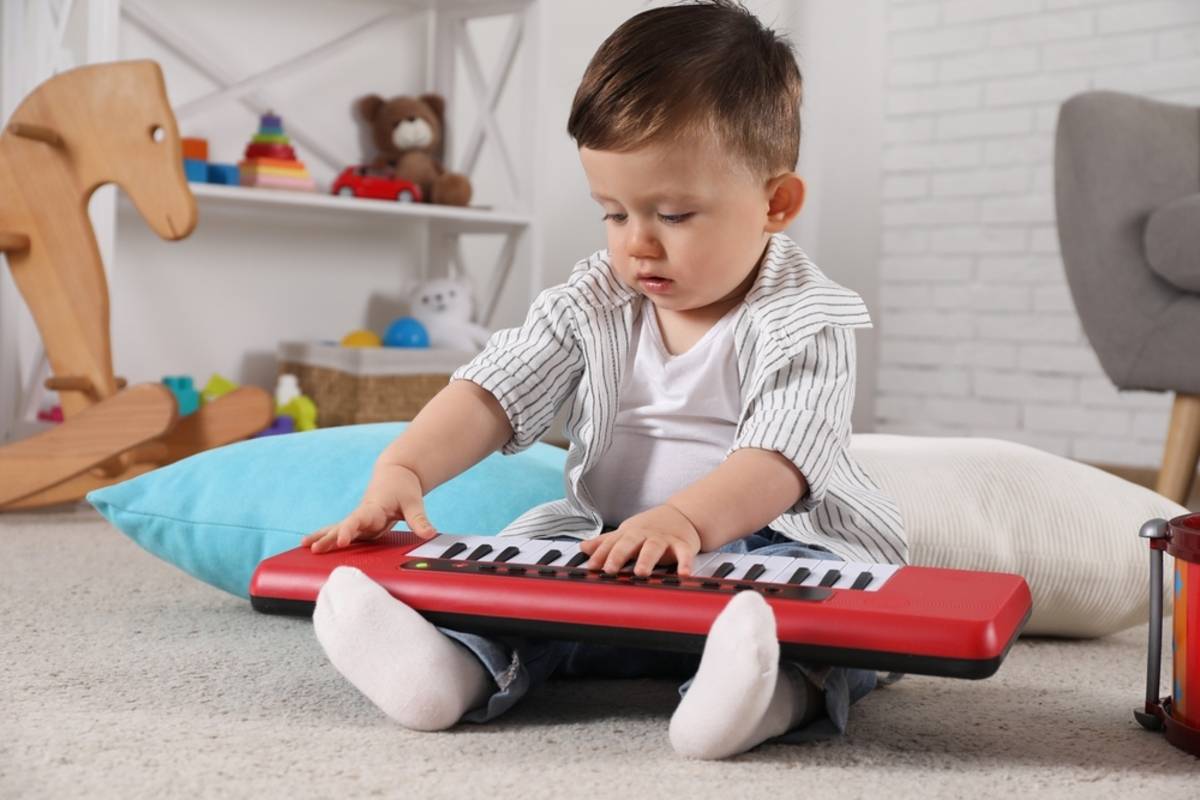
Little ones are incredibly sensitive to their surroundings, so the first step is to abandon the idea of “perfect” posing and coercion. It’s safest to schedule the session for a time when the child is guaranteed to be well-fed and well-rested, and to turn the shoot itself into a lighthearted, relaxed game where the photographer simply acts as an active observer. Instead of telling them to look at the camera, let the child explore the space, play with their favorite toys, or fool around with their parents.
It’s long been known that special attention is paid to a child’s face. If you’re not familiar with professional retouching or simply don’t want to spend time on it, there are plenty of tools to help. AI programs, such as Luminar, can assist with kid portrait ideas by gently evening out skin tone or removing accidental glare.
Exclusive Tools of Endless Possibilities in One Editor
Setting Up the Perfect Environment
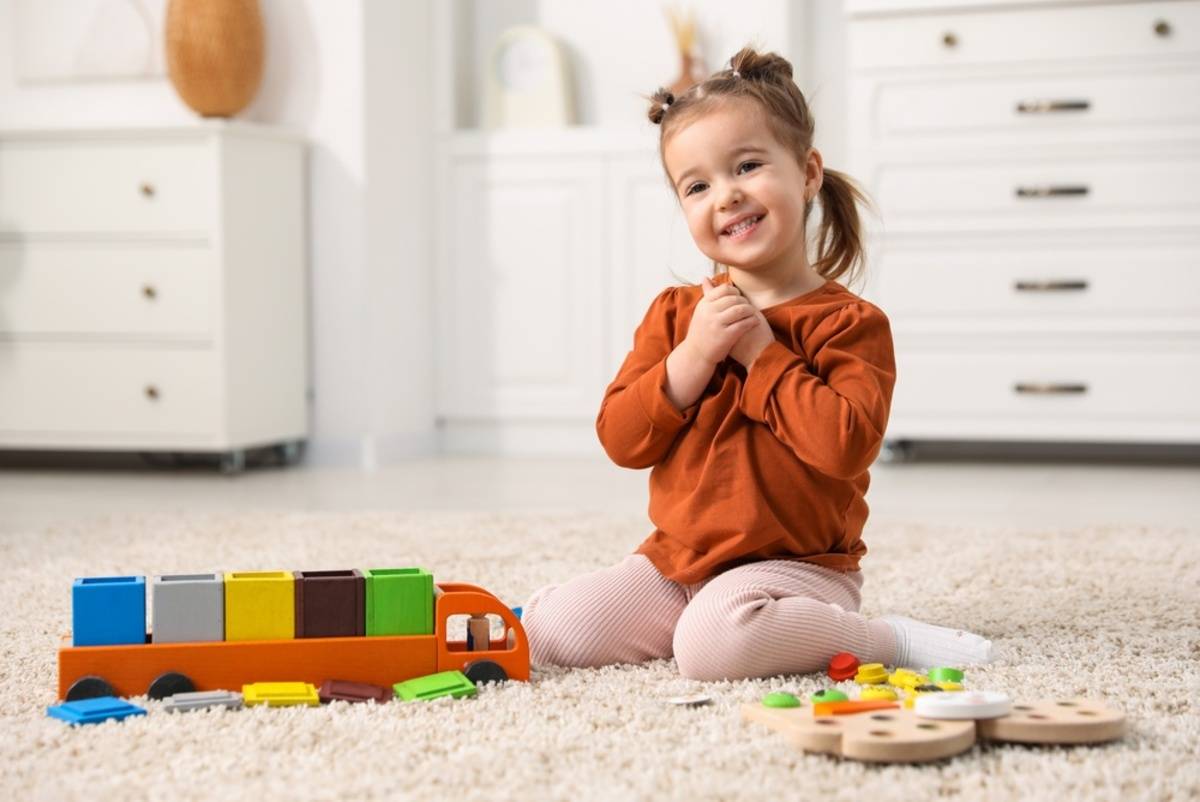
Consider your child’s comfort and an environment where they’ll feel safe and able to freely express their emotions. For example, their own room, a cozy living room, or their favorite spot in the park. Focus on having plenty of soft, natural light, and remove any clutter so it doesn’t distract your child. On the other hand, tips for photographing toddlers often revolve around using triggers—whether it’s their favorite toys or soap bubbles to help them forget about the camera.
- Favorite toys. Bringing a familiar stuffed animal or action figure helps the child feel secure and anchored in the space.
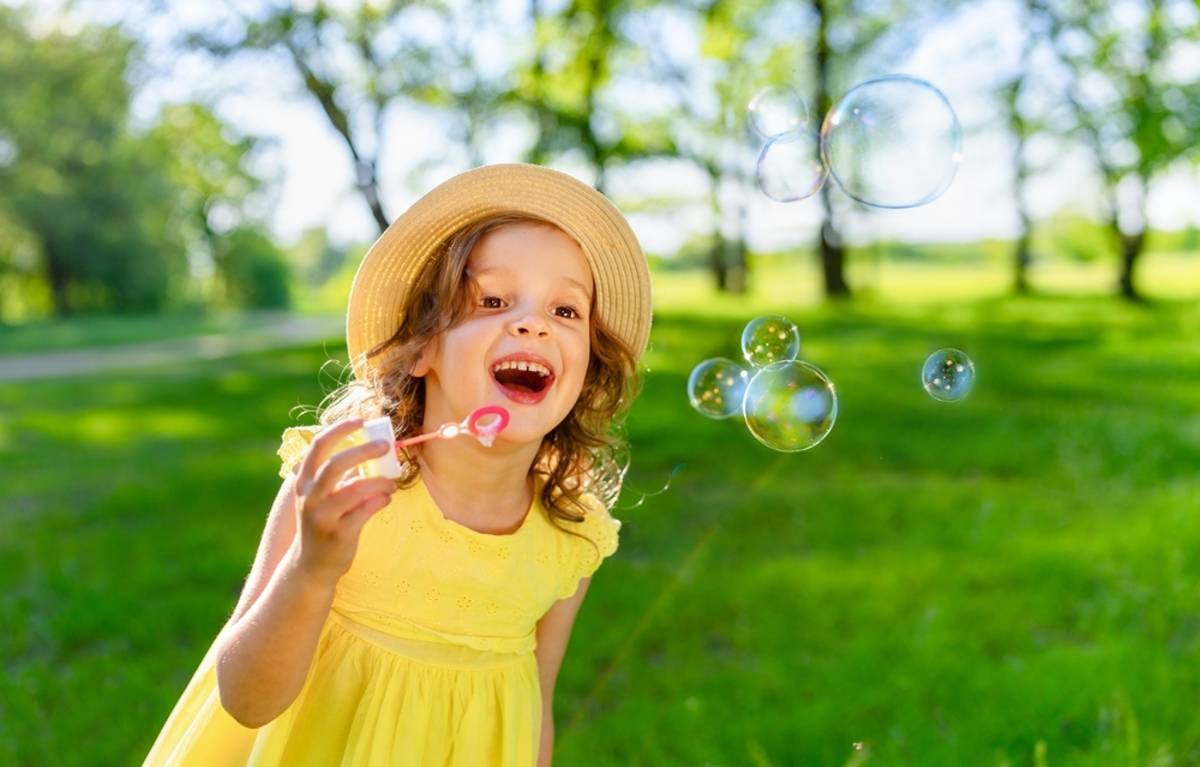
- Soap bubbles. Blowing bubbles is an excellent way to capture dynamic movement, natural curiosity, and upward-looking gazes.
- Interactive elements. Using items that make subtle sounds or require gentle concentration helps them completely forget about the presence of the camera gear.

Since the best moments last a fraction of a second, the device must support a high continuous shooting speed, letting you to capture at least 10-12 frames per second. As for the lens, fast prime lenses with a focal length of 50mm or 85mm and an aperture of f/1.8 or f/1.4 are the most suitable. If your child is too active and constantly changing distance, choose a fast 24-70mm f/2.8 zoom lens, which offers more flexibility for framing on the go.
Taking hundreds of shots involves selecting the exposure and color corrections. It’s worth considering a simple AI-powered photo editor for beginners to save time and gradually explore the world of photography. Such software basically backs up the photographer in the early stages and compensates for minor technical errors.
Tips for Capturing Natural Expressions
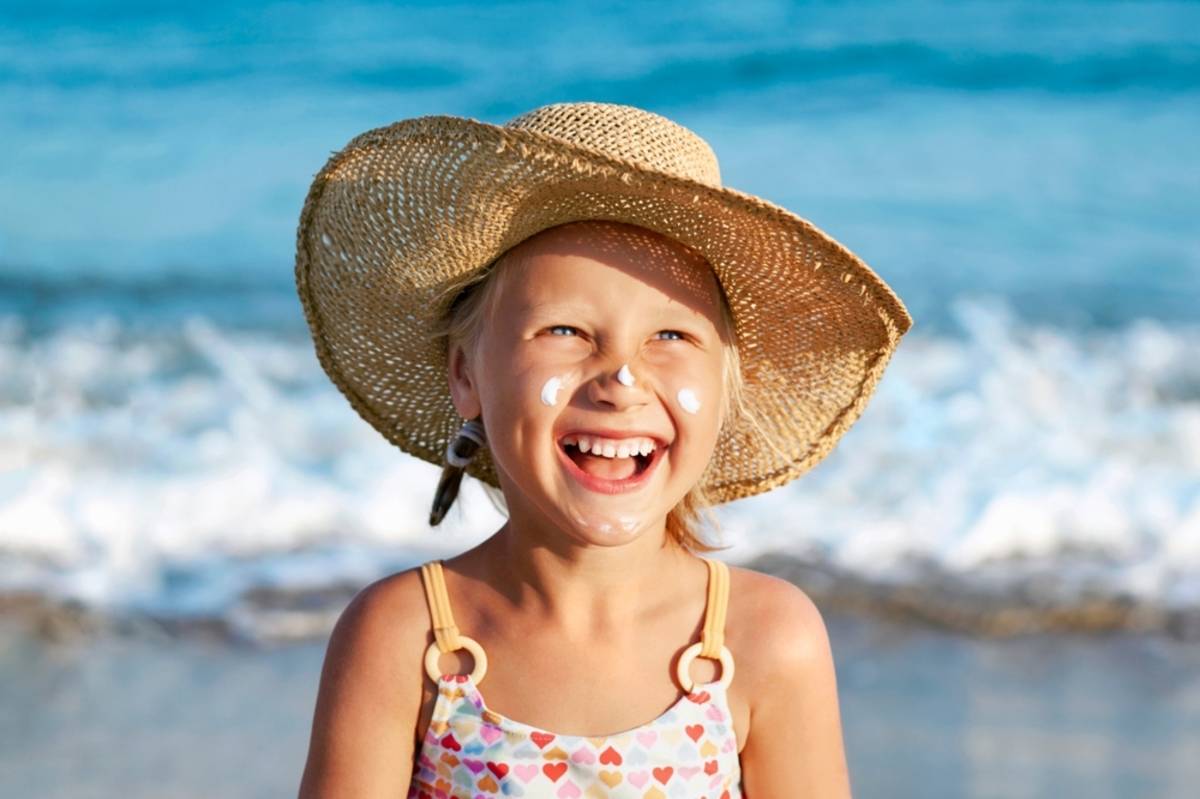
Have you ever heard that people are put off by fake smiles? Try not to force your little one to smile; instead, use interactive methods to elicit genuine emotions. Children live in the moment, and the best way to capture their true essence is to shift their focus away from the camera itself.
- Play interactive games. Suggest playing hide-and-seek with the camera, where the child peeks out from behind a tree, a wall, or their hands.
- Tell funny stories. Keep a repository of silly jokes, unexpected plot twists in familiar fairy tales, or funny sounds that naturally trigger a laugh.
- Get parents involved. Have mom or dad stand directly behind you to make funny faces, mimic cartoon characters, or dance just above the camera lens.
- Use the “fake laugh” technique. Ask your little one to mimic the loud laugh of a funny monster or a cartoon villain. In nine out of ten cases, within a second, the child will genuinely find their own silly sound hilarious and it’s precisely in those next few moments that you need to be ready to press the shutter button.
Experienced photographers combine the flexibility of candid photography with professional techniques. For example, there are guides on newborn family photography to help you practice. This genre requires special patience and the ability to remain an unobtrusive observer, capturing shots in the gaps between the baby’s everyday activities. If, during such dynamic shooting, you’re unable to set the lighting perfectly or the child suddenly turns away from the light source, modern editing technologies can help salvage the shot.
Your AI-Powered Photo Editor for MacOS and Windows
Posing Ideas for Kids
Instead of making your little one sit up straight, ask them to twirl around, hop in place, hug their favorite toy, or peek at the camera over Mom’s shoulder. 


If you’re tasked with taking a headshot of a school-aged child, turn the child’s body slightly to the side at a 45-degree angle to the camera, and ask them to gently turn their head toward you.
Managing Lighting for Children’s Photos

Photographing children requires maximum flexibility, since young models won’t wait patiently while the photographer sets up the lighting. The safest choice is soft, natural light that doesn’t blind the eyes or scare the child with bulky equipment. If the shoot is indoors, a good location is near a large window where the light falls at an angle, creating dimensional shadows and beautiful highlights in the pupils. Outdoors, however, you should avoid direct midday sun, which casts harsh shadows under the eyes and makes the child squint. When implementing various creative child photography ideas, such as shooting against the sun to create a magical halo around the child’s hair, it’s worth remembering the risk of underexposing the face, so always keep a simple white reflector on hand.
When the child is moving, it’s practically impossible to maintain perfect lighting in every shot. Very often, the most genuine emotions happen precisely when the child runs into a dark corner of the room or turns their back to the window. During post-production, set aside some time to use a family photo editor, where you can brighten the child’s face, bring out details from deep shadows, or tone down overly bright highlights in the background.
Engaging Children During the Shoot

Trying to force a child to sit still or obey adult commands will merely exhaust them, so it’s better to turn the photo shoot into an exciting adventure. Suggest that your little one find a “secret bug” inside the camera lens, blow some soap bubbles, or play hide-and-seek, where they have to suddenly peek out from behind a tree or Mom’s dress. Once the child is fully immersed in the playful scenario, their body relaxes, and their face lights up with that same pure, genuine delight that every photographer strives to capture.
Is there even a chance for a good photo shoot without a studio or a professional photographer? If you think about it, you really don’t have to stress look for alternatives. You’ll end up choosing certain tools or entire websites with suggested lists. At Luminar Pricing, select the best option for a subscription or a perpetual license.
Elevate Your Photography with Our Advanced Software
Editing and Enhancing Children’s Photos

A child’s skin requires almost no textural corrections, so rather than heavy beauty retouching, it’s best to focus on gently evening out the skin tone, removing any random redness caused by vigorous running, and restoring the overall harmony of light in the frame. The main focus in a children’s portrait is always on the eyes, which should remain clear and full of life. A slight, delicate increase in the natural highlight in the pupils instantly makes the gaze deep and expressive, restoring depth to the face, even if the shoot took place in overcast weather or under insufficient indoor lighting.