Welcome to the exciting world of pet photography! In 2026, taking photos of pets is not just fun, it’s also a great way to start a business. If you love animals and enjoy taking pictures, this blog post is perfect for you.
In this post, we’ll show you how to photograph pets. Whether they are running around or just looking cute, you’ll learn how to capture those special moments. Plus, if you’ve ever thought about making money from pet photography, we’ve got you covered. We’ll talk about how to start your own business!
So, grab your camera and get ready to explore how to photograph animals in their happiest moments.
Let’s turn your love for pets and photography into something really special!
Don’t feel like reading the whole breakdown? We’ve pulled together a quick summary below.
Key Takeaways
Give the pet time to become comfortable before you start shooting.
Focus on the eyes and photograph from the animal’s level.
Use a fast shutter speed and continuous autofocus for action.
Choose soft natural light or a controlled, pet-safe lighting setup.
Keep sessions short and allow breaks whenever the animal shows stress.
Build a focused portfolio before offering paid sessions.
Use contracts, clear pricing, suitable insurance, and any licenses required in your location.
Edit distractions and exposure carefully without changing the animal’s natural appearance.
Mastering the Art of Pet Photography
Capture Personality, Not Just a Pose
Spend a few minutes observing the pet before taking photos. Notice whether it is energetic, cautious, playful, or most comfortable beside its owner. This helps you plan images that feel natural rather than forcing the same pose on every animal.
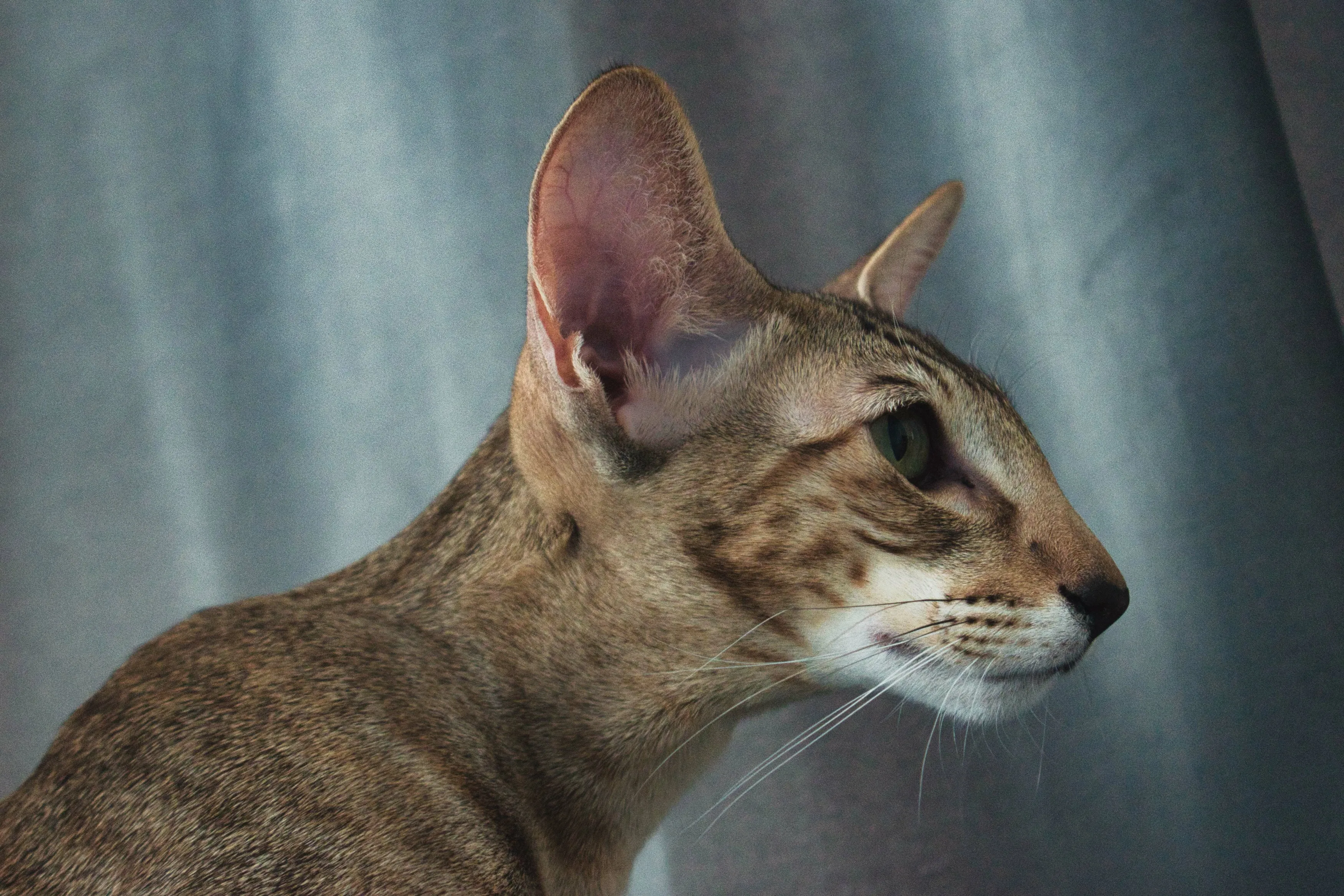
Get down to the pet’s eye level whenever possible. This creates a stronger connection with the viewer and avoids the familiar top-down snapshot look. Focus on the nearest eye, especially when working with a shallow depth of field.
Keep a toy or treat near the lens to attract attention, but ask the owner about allergies, dietary restrictions, and training rules first. Use sounds sparingly: an unfamiliar noise may produce an alert expression once, but repeated noises quickly lose their effect or make a nervous animal uncomfortable.
Patience matters more than perfect obedience. Keep the camera ready for head tilts, stretches, interaction with the owner, and other brief expressions that reveal character.
There is no single group of settings for every pet. A sleeping cat beside a window requires a different approach from a dog running outdoors. Use the following values as starting points:
Situation
Shutter speed
Aperture
ISO
Calm portrait
1/250 sec or faster
f/2.8–f/5.6
Auto ISO or ISO 100–1600
Walking or playing
1/500 sec or faster
f/3.5–f/5.6
Raise as needed
Fast action
1/1000 sec or faster
f/4–f/8
Raise as needed
Two pets together
1/500 sec or faster
f/5.6–f/8
Raise as needed
Use continuous autofocus—often labeled AF-C or AI Servo—and select animal eye detection if your camera supports it. Burst mode can help with action, but short bursts are easier to review and less likely to fill the camera buffer.
A wide aperture creates a soft background, yet an extremely shallow depth of field can leave the nose or second eye blurry. Stop down when the pet is angled toward the camera or when several animals must be sharp.
Choosing a Lens and Other Equipment
A mirrorless camera or DSLR offers the most control, but a modern phone can also produce strong results in good light. Useful lenses include:
35 mm or 50 mm: environmental portraits and indoor sessions;
85 mm: close portraits with comfortable working distance;
70–200 mm: outdoor action and shy animals that need more space;
24–70 mm: flexible framing when conditions change quickly.
A zoom lens is convenient, but it is not essential. A camera with reliable autofocus and a lens you understand will usually be more useful than unfamiliar premium equipment. For phone sessions, these iPhone photography tips can help with focus, exposure, and composition.
Lighting, Composition, and Backgrounds
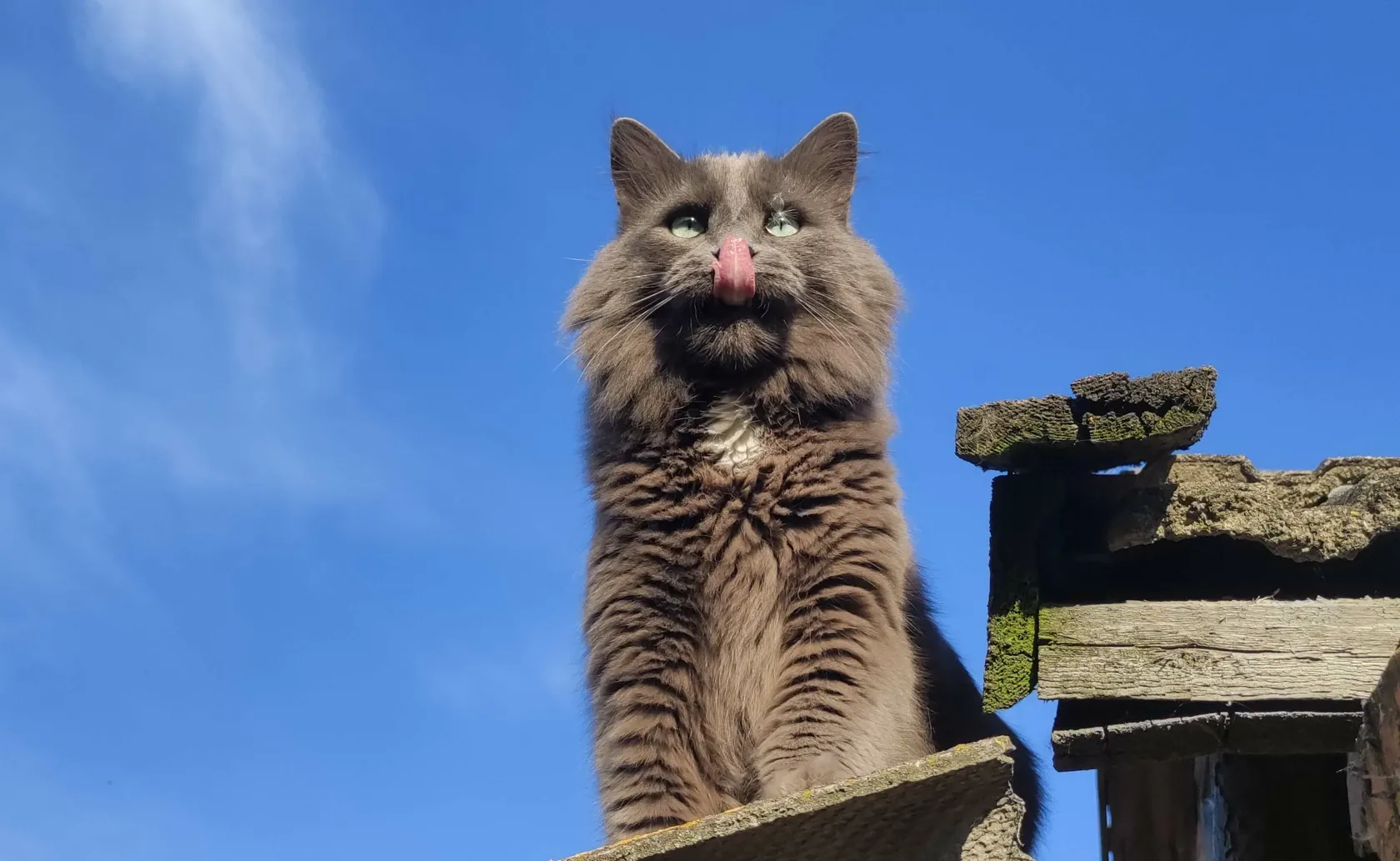
Soft window light works well indoors, while open shade offers even illumination outside. Golden hour can create warm backlight, but it is not the only suitable time to shoot. Overcast conditions are often excellent for pets because the light is soft and consistent.
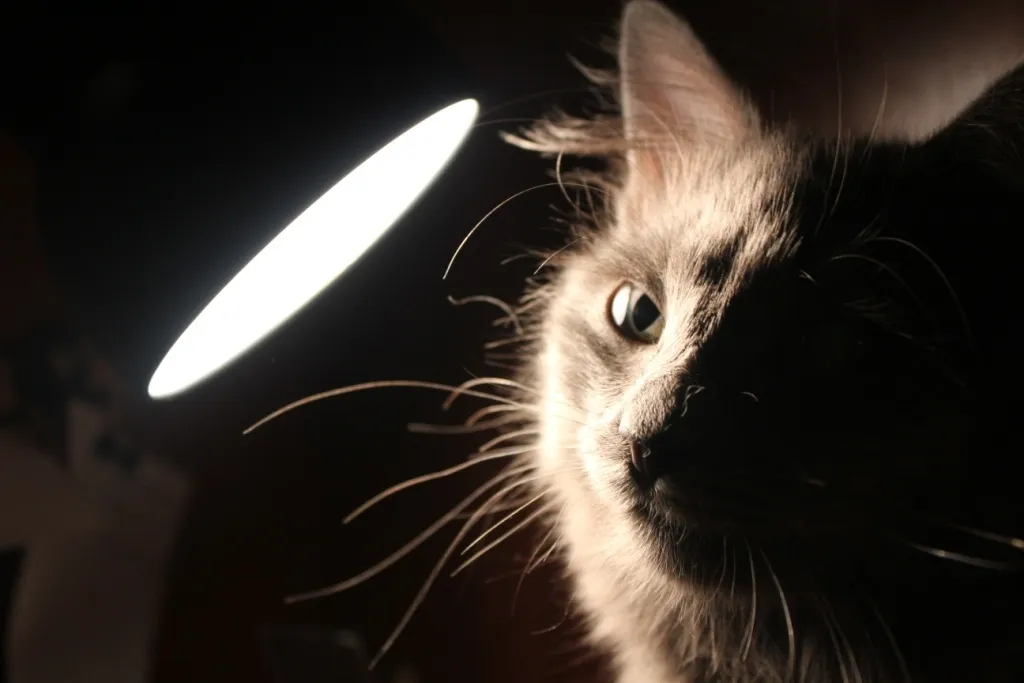
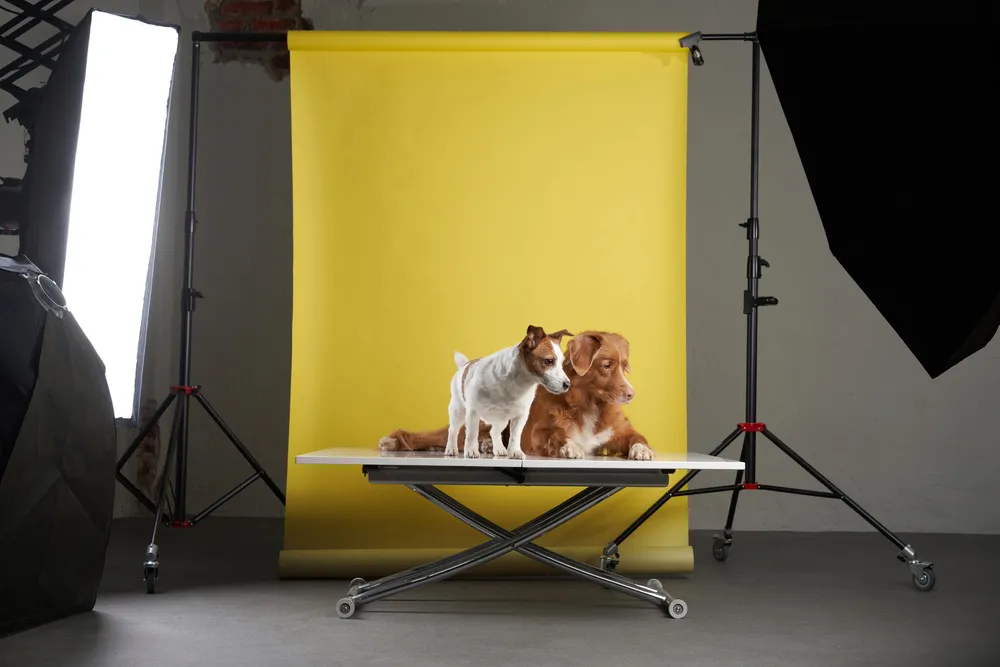
Avoid direct flash close to the animal if it reacts to sudden light. If flash is necessary and the pet remains comfortable, bounce or diffuse it and keep cables and stands secure.
Choose a simple background that contrasts with the animal’s coat. A dark pet may disappear against a black backdrop, while white fur can lose detail against a very bright surface. Check the edges of the frame for leads, bins, signs, bright patches, or objects that appear to grow out of the animal’s head.
Leave space in front of a moving pet and use paths, furniture, or natural lines to guide the viewer’s eye. Mix full-body images with close portraits and detail shots of paws, whiskers, ears, or collars.
Working Safely With Pets
The animal’s welfare comes before the photograph. Ask the owner about temperament, triggers, mobility limitations, recall, and interactions with unfamiliar people or animals before the session.
Begin in a familiar or quiet location.
Let the pet approach the camera and equipment at its own pace.
Keep sessions short and schedule breaks.
Never force a pose or remove a lead in an unsecured area.
Use an owner or trained handler when attention or restraint is needed.
Stop if the pet repeatedly hides, freezes, tries to escape, growls, pants excessively, or otherwise appears distressed.
Outdoor locations should be chosen with traffic, weather, other animals, local leash rules, and safe footing in mind. For portraits where a lead must remain attached, it is safer to remove it carefully in post-processing than to risk letting the pet loose.
Exclusive Tools of Endless Possibilities in One AI Editor
Strong animal-handling skills are as important as photography skills in this niche. Before accepting paid work, practice with pets of different ages, sizes, coat colors, and temperaments. Ask owners for permission before publishing the resulting images.
Elevate Your Photography with Our Advanced Software
Review local photographers’ services, visual styles, pricing structures, and client experience. Decide whether you will focus on studio portraits, outdoor sessions, action photography, owner-and-pet portraits, or events.
2. Build a Focused Portfolio
Show a small selection of consistently strong images rather than every successful photo. Include different animals and lighting conditions, but keep the editing and presentation cohesive.
3. Define Packages and Pricing
Account for consultation, travel, shooting, culling, editing, delivery, equipment, software, taxes, insurance, and marketing—not only the time spent with the client. State clearly how many edited images or products are included and when they will be delivered.
4. Prepare the Business Essentials
Requirements vary by country and location, so check the rules that apply to you. Depending on the business, you may need registration, tax records, permits, a separate bank account, and liability or equipment insurance.
Use a written contract covering payment, cancellation, rescheduling, delivery, copyright, image usage, and model or property releases where relevant. Do not rely on informal messages for important terms.
5. Find Clients and Partners
Create a simple website and make it easy for clients to understand your style, prices, location, and booking process. Build relationships with shelters, trainers, groomers, pet-friendly venues, veterinarians, and independent pet shops. Always ask before leaving promotional material or photographing on private property.
An introductory portfolio session can attract early clients, but avoid permanent underpricing. Testimonials, referrals, a reliable client experience, and recognizable work usually support a business better than constant discounts.
Your AI-Powered Photo Editor for MacOS and Windows
Editing should direct attention toward the pet without making its fur, eyes, or coloring look artificial. In Luminar, start with exposure and white balance, then refine highlights and shadows so detail remains visible in both bright and dark fur.
Use Structure carefully to enhance fur texture without creating harsh edges. Remove small background distractions only when they do not affect the authenticity of the scene. Cropping and subtle local adjustments can often improve the image more effectively than dramatic effects.
If the pet is darker than the background, Relight can help balance the foreground and surroundings. Background blur can also reduce distractions, but check the mask around whiskers, ears, and fine fur before exporting.
Conclusion
Good pet photography comes from preparation, fast reactions, and respect for the animal. Learn to read behavior, choose settings that match the movement, and keep each session safe and enjoyable. If you want to turn the skill into a business, combine a focused portfolio with clear pricing, professional agreements, and a reliable client experience.
Frequently Asked Questions
What shutter speed is best for pet photography?
Use at least 1/250 sec for a calm portrait, around 1/500 sec for play, and 1/1000 sec or faster for running or jumping. Increase ISO when necessary to maintain the required shutter speed.
How do I get a pet to look at the camera?
Place a permitted treat or favorite toy close to the lens, or use one brief sound. Ask the owner what motivates the animal and avoid repeating stimuli that cause stress or excitement.
Is flash safe for pet photography?
Flash can be used responsibly, but some animals find sudden light or equipment stressful. Avoid direct close-range flash, use diffusion or bounce when appropriate, and stop if the animal reacts negatively.
Do I need an expensive camera to photograph pets?
No. Reliable autofocus, sufficient light, and good timing matter more than price. A phone or entry-level camera can produce excellent portraits, although a camera with continuous autofocus and a fast lens makes action easier.
What should a pet photography contract include?
It should clearly cover fees, deposits, cancellation or rescheduling, session scope, image delivery, copyright, client usage, photographer portfolio rights, and liability terms appropriate to local law.
Subscribe to know first
Our delivery owl will bring you our best deals and news about Skylum news.