Looking for the ultimate Chicago photography locations? This eclectic city will present everything you need, from classic architecture to breathtaking backdrops to capture lifetime memories.
Chicago offers an unusually rich mix of architecture, public art, parks, waterfront views, and elevated cityscapes. The best location depends on whether you want classic skyline images, street photography, greenery, reflections, or night scenes.
This guide covers ten reliable Chicago photography locations and the practical details worth checking before you arrive.
Don’t feel like reading the whole breakdown? We’ve pulled together a quick summary below.
Key Takeaways
- Visit popular landmarks early in the morning for cleaner compositions and fewer people.
- Check current opening hours, tickets, event schedules, and photography rules before visiting.
- Buckingham Fountain is normally off from mid-October through April.
- Navy Pier’s fireworks follow a seasonal schedule rather than running every evening.
- The Art Institute allows personal photography but prohibits flash, tripods, monopods, and selfie sticks.
- Commercial or formal portrait sessions in Chicago parks may require a permit.
- A wide-angle lens is useful for architecture, while a short telephoto can isolate skyline details.
- Chicago weather changes quickly, so protect your equipment and prepare for wind near the lake.
Preparing for a Chicago Photoshoot
Pack for the type of photography you plan to do rather than bringing every lens you own. A practical city kit may include:
- a camera or smartphone;
- a wide-angle or standard zoom;
- spare battery and memory card;
- microfiber cloth for rain and fingerprints;
- compact rain protection;
- comfortable walking shoes;
- water and a power bank;
- a tripod only where it is allowed and genuinely useful.
Check the forecast, sunrise and sunset times, public-transport changes, venue rules, and planned events. If you are organizing a paid shoot, wedding session, or setup with substantial equipment, verify permit requirements with the venue or Chicago Park District.
For a full packing guide, check out the complete list here: Travel Packing Checklist.
Exclusive Tools of Endless Possibilities in One Editor
1. Millennium Park and Cloud Gate
When to Go: Early morning, less crowded, and late afternoon, for the golden hour.
Perfect For: Iconic city shots, fans of modern architecture.
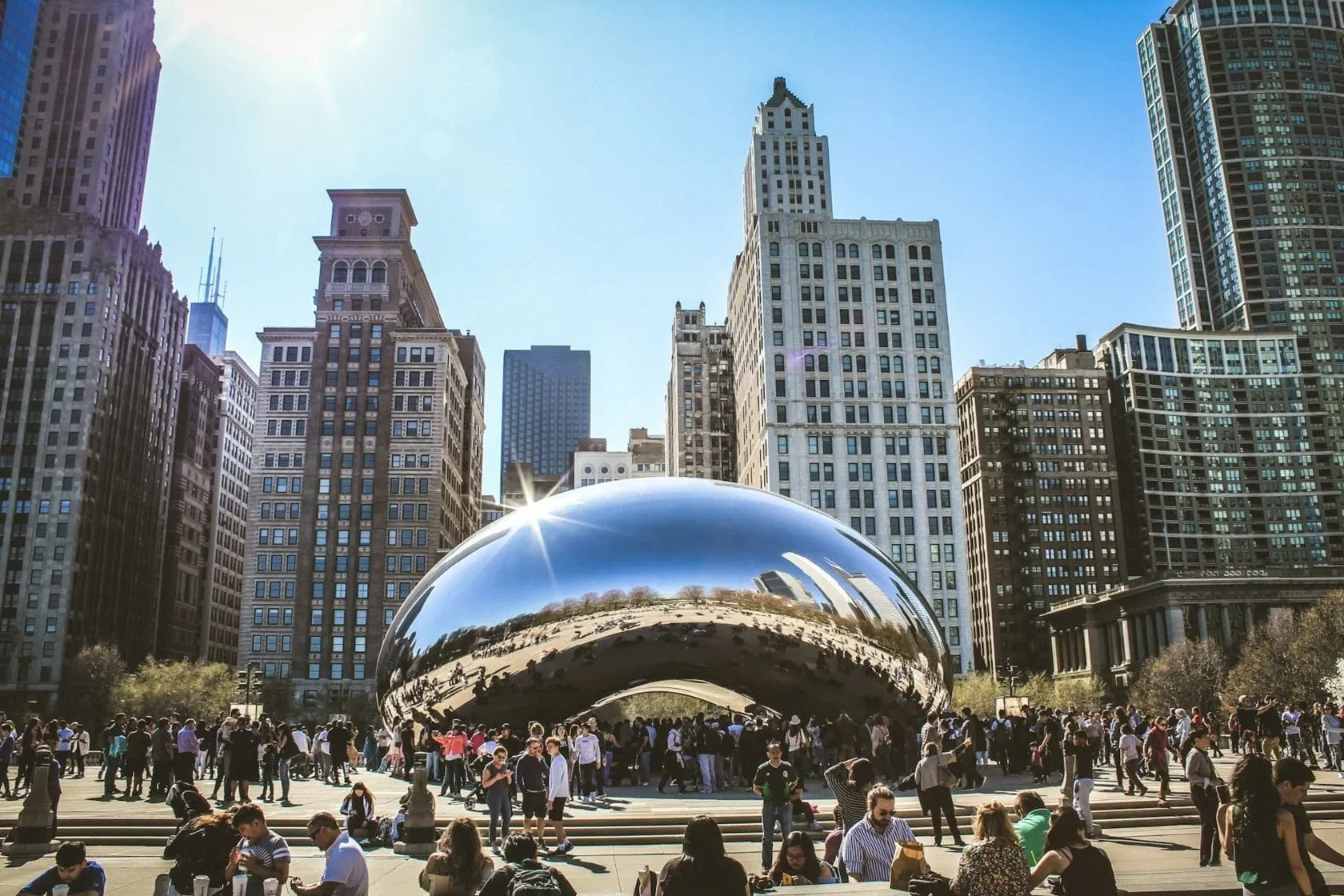
Cloud Gate—better known as “The Bean”—reflects the skyline, plaza, and people around it. Walk around the sculpture rather than settling for the first front-facing composition. Its curved surface creates abstract reflections from low and side angles. Lurie Garden and the surrounding modern architecture add variety within the same area. Arrive early if you want fewer visitors in the frame, but remember that people can also provide useful scale and urban energy.
Spot 2. Navy Pier
When to Go: Summer evenings for fireworks, winter for a festive atmosphere.
Perfect For: Waterfront views and cityscape backdrops.
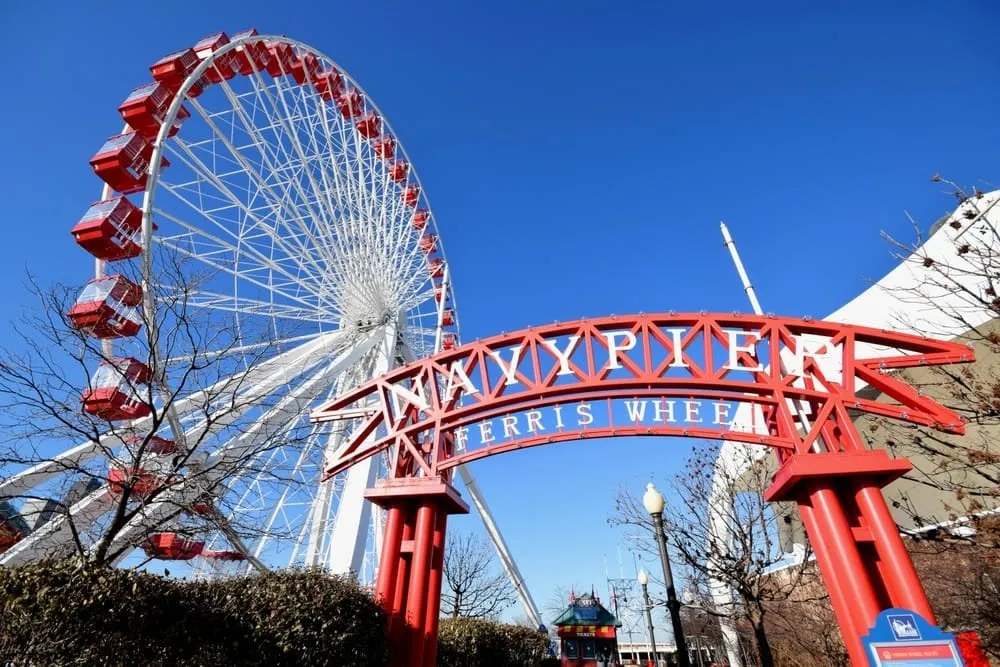
Navy Pier extends into Lake Michigan and provides open views back toward the city. The end of the pier is useful for wider skyline compositions, while the Centennial Wheel, boats, and reflections offer closer subjects.
Fireworks are seasonal. In 2026, the official summer schedule lists shows on Wednesdays at 9 p.m. and Saturdays at 10 p.m. from late May through early September. Schedules can change, so confirm the specific date before planning the shoot and arrive early for a stable viewpoint.
3. The Art Institute of Chicago
When to Go: Weekdays to beat the big crowds.
Perfect For: People who love art and architectural photography.
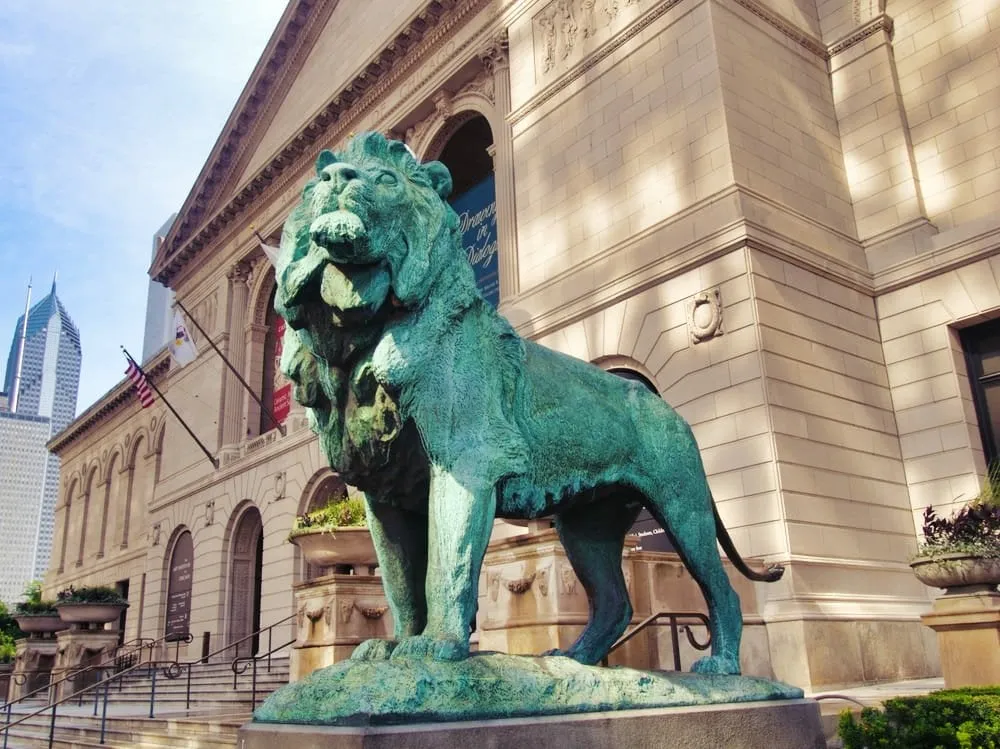
The Michigan Avenue entrance, bronze lion statues, stairs, and façade provide recognizable exterior compositions. Inside, use the architecture, galleries, and changing exhibitions to build visual connections between people and artworks.
The museum permits personal photography in many areas, but flash, tripods, monopods, selfie sticks, and other extraneous equipment are prohibited. Some works or exhibitions may have additional restrictions, so follow posted signage and staff instructions.
Spot 4. Lincoln Park Zoo & Conservatory
When to Go: Spring, summer for lush greenery; fall for warm hues.
Perfect For: Nature lovers, wildlife photography.
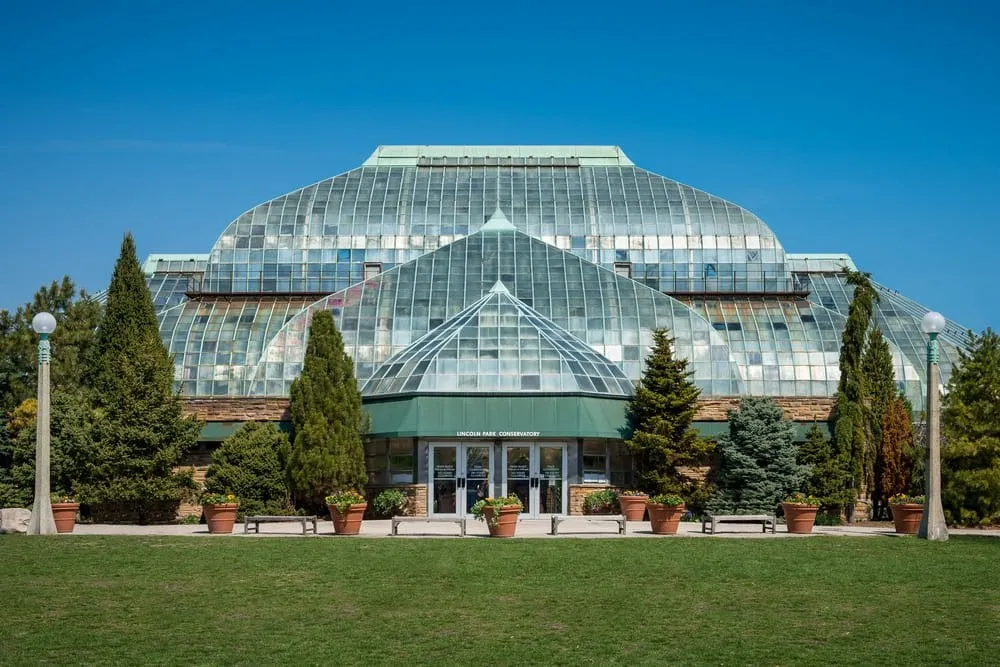
The Lincoln Park area combines zoo habitats, conservatory plants, ponds, paths, and skyline views. The Nature Boardwalk is particularly useful for placing the city behind trees and water rather than photographing another direct skyline panorama.
Check current entry and reservation requirements before visiting the conservatory. Formal, posed, or commercial photography may require permission or a permit, even when casual personal photography does not.
Spot 5. Chicago Riverwalk
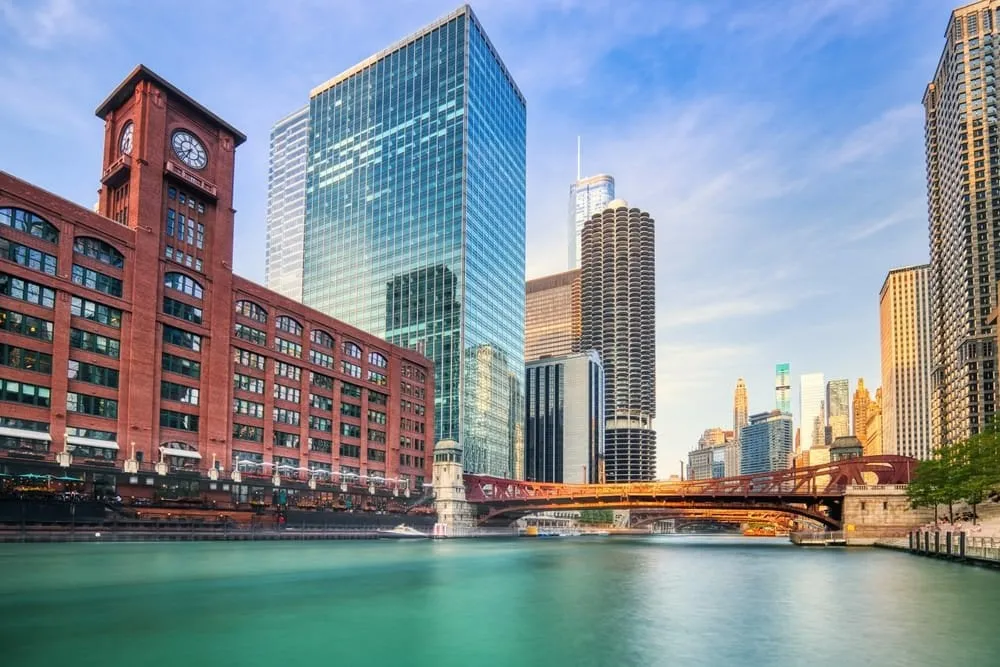
When to Go: Late afternoon for golden light on the river.
Perfect For: River views, modern architecture.
The Riverwalk places the camera close to the water and below many surrounding buildings, creating strong leading lines and dramatic vertical perspectives. Bridges, passing boats, reflections, and pedestrians can add movement to otherwise static architecture.
Try both wide views and tighter compositions that isolate repeating windows, bridge structures, or reflected color. For a very wide scene, capture overlapping frames from a fixed position and combine them later with panorama stitching.
Elevate Your Photography with Our Advanced Software
6. Wrigley Building and DuSable Bridge
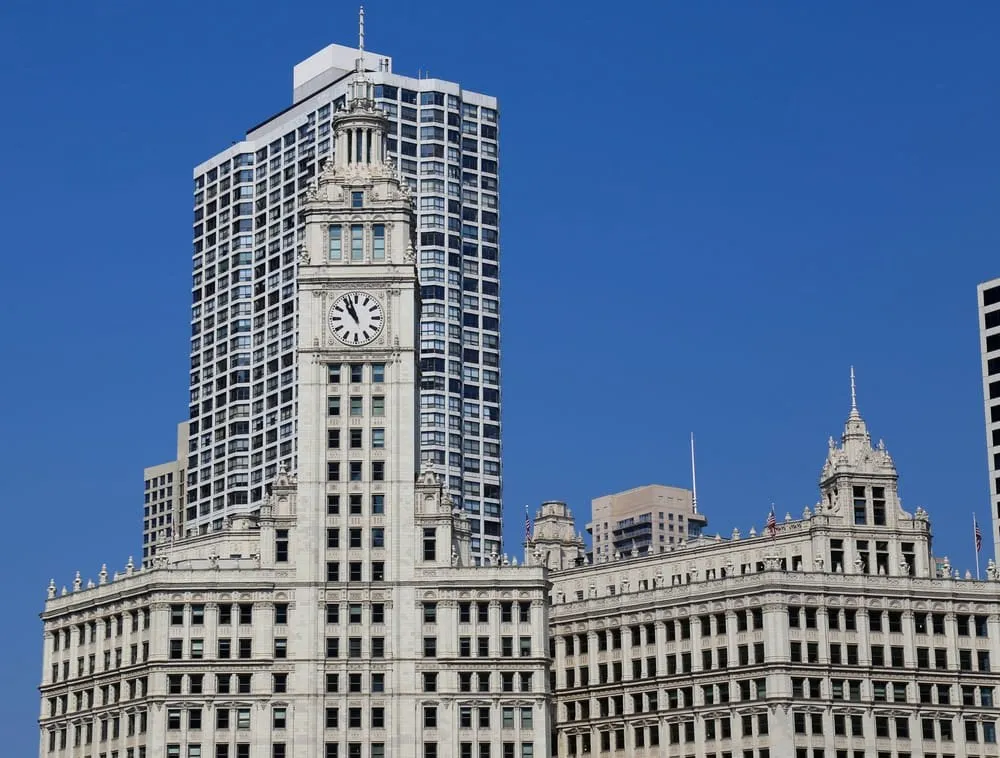
When to Go: At sunset for more dramatic lighting.
Perfect For: Historic architecture, city lights.
The Wrigley Building’s light terra-cotta façade catches warm evening light and contrasts with the darker buildings nearby. DuSable Bridge provides a useful viewpoint for including the building, river, and neighboring architecture in one frame.
Use a wider lens for the full setting or a longer focal length to compress the towers and isolate ornamental details. Watch for traffic and pedestrians when composing from bridge walkways.
Spot 7. Buckingham Fountain
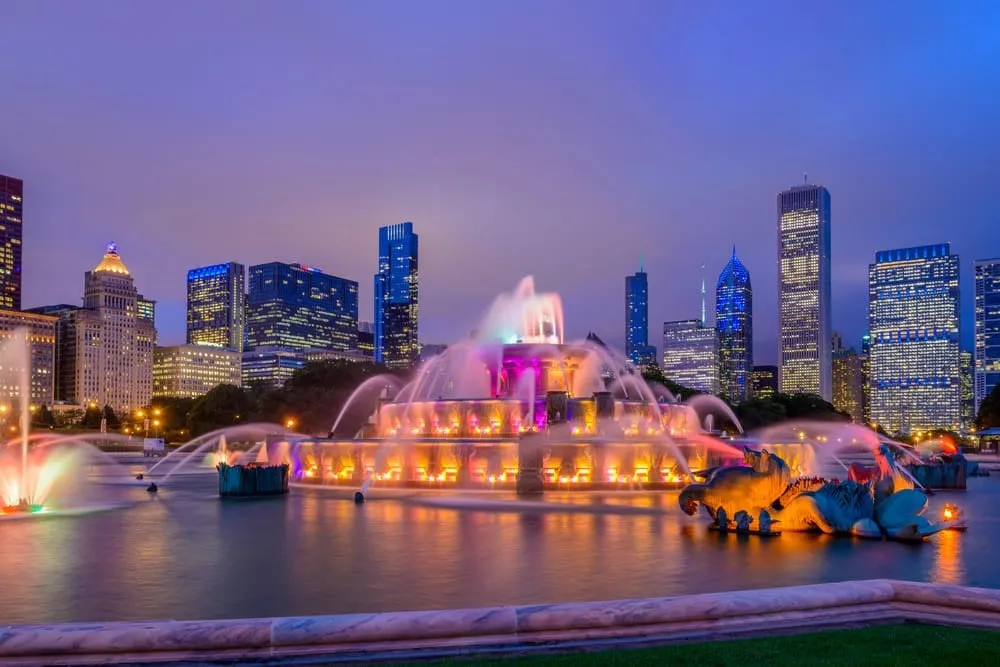
When to Go: Light and music show at night.
Perfect For: Grand, picturesque shots.
Buckingham Fountain creates a strong symmetrical foreground for the city skyline. A moderately slow shutter speed can add motion to the water, while a faster exposure preserves individual droplets.
The fountain is normally off from mid-October through April, so check its current operating schedule before visiting. For formal portrait or commercial work in the park, confirm whether a Chicago Park District permit is required.
Spot 8. Chicago Theatre
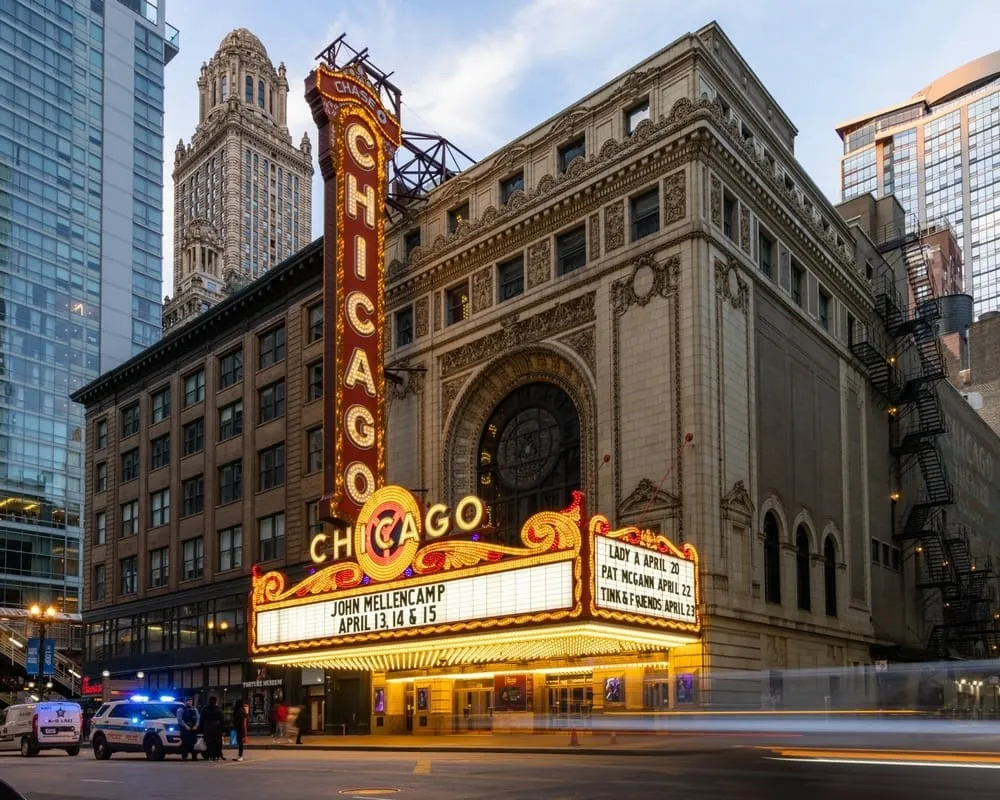
When to Go: Night for neon lights.
Perfect For: Vintage charm, night photography in cities.
The illuminated marquee is one of the city’s most recognizable night subjects. A position across State Street can show the full sign and façade, but the scene is busy, so wait for a clean gap or deliberately include traffic and pedestrians.
Expose carefully to preserve detail in the bright sign. RAW capture and exposure bracketing can help when the marquee is much brighter than the surrounding street.
Spot 9. 360 Chicago Observation Deck
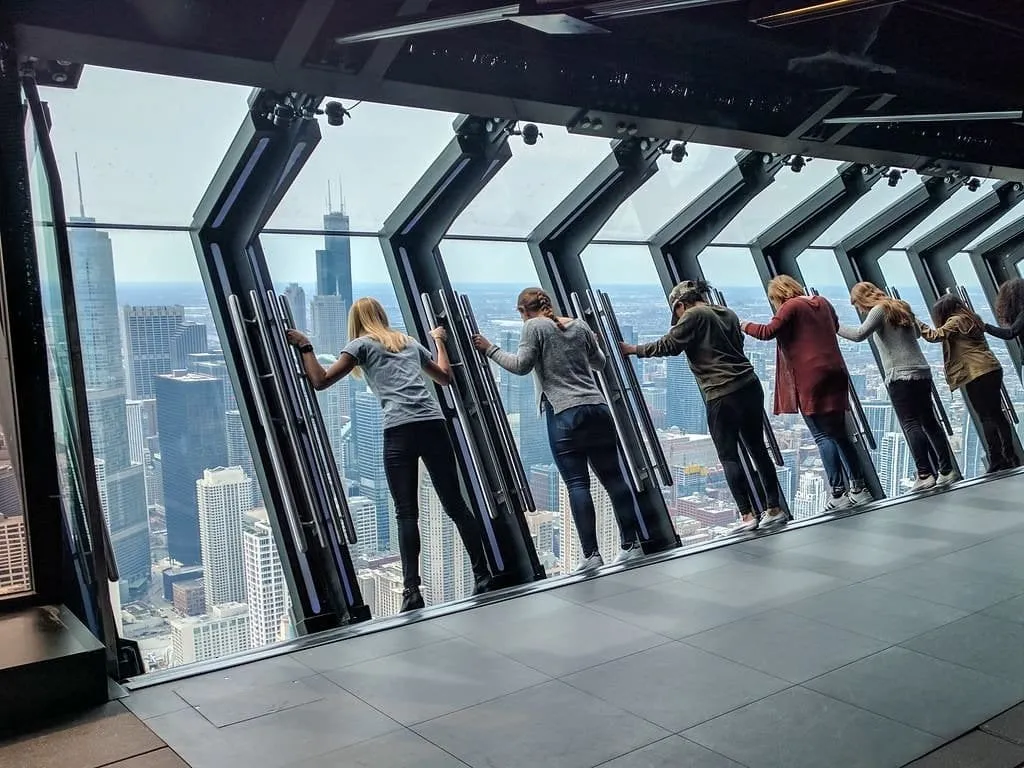
- When to Go: Sunset for golden hour transitioning into night.
Perfect For: Panoramic aerials, city skylines.
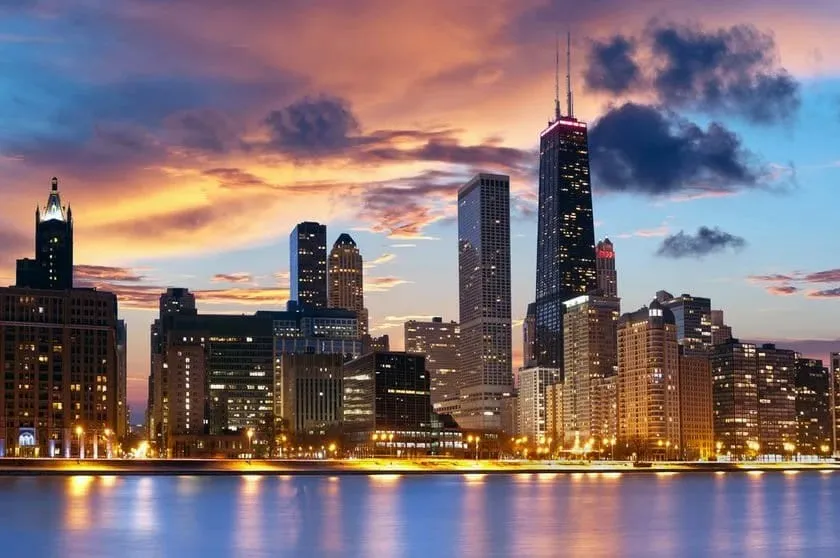
Located high in the former John Hancock Center, 360 Chicago provides broad views over downtown and the lake. Arriving before sunset lets you photograph daylight, golden hour, blue hour, and city lights during one visit.
Glass reflections are the main challenge. Wear dark clothing, move the lens close to the glass without touching it, and shield stray light with a hand or flexible lens hood. Confirm current opening hours, ticket rules, and tripod restrictions before bringing support equipment.
Spot 10. Humboldt Park
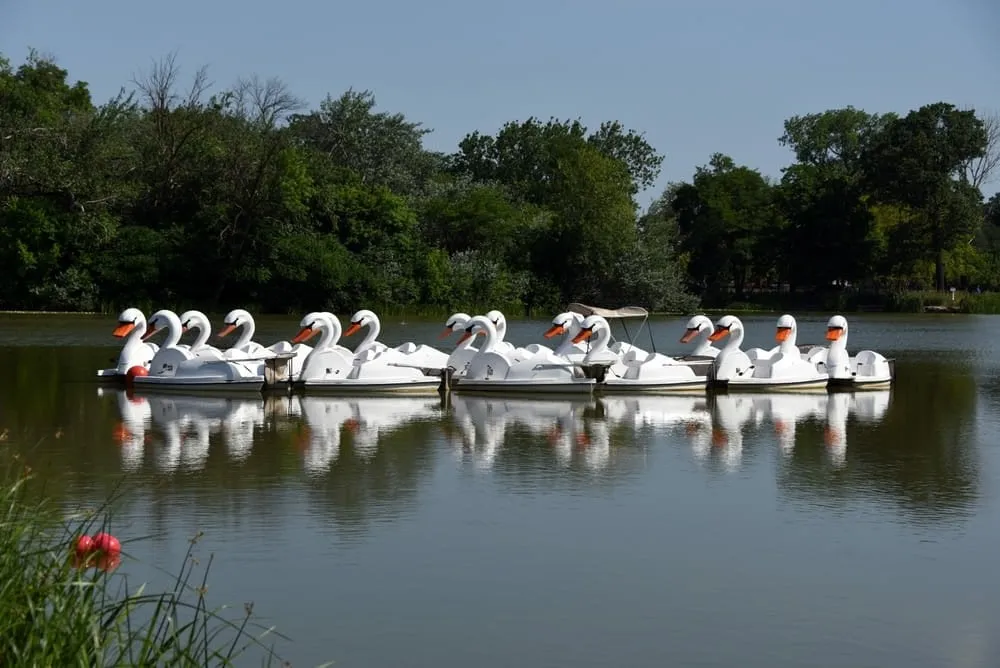
When to Go: Fall for vibrant foliage; spring for blooming flowers.
Perfect For: Nature sceneries, aspects of culture.
Humboldt Park offers a quieter alternative to downtown locations. Its lagoons, boathouse, formal garden, bridges, and historic features allow for landscape, architecture, and portrait compositions.
The park is also closely connected with Chicago’s Puerto Rican community. Photograph cultural sites and events respectfully, and ask before making close portraits of individuals. Permit requirements may apply to formal or commercial sessions.
Your AI-Powered Photo Editor for MacOS and Windows
Editing Chicago Travel Photos With Luminar
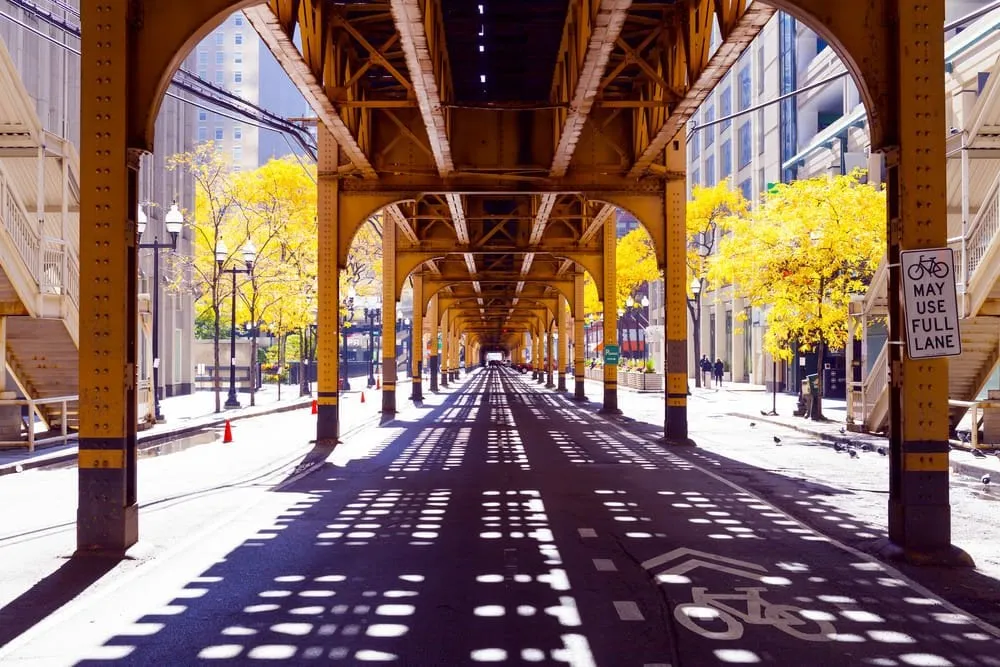
Chicago scenes often combine bright skies, reflective water, shadowed streets, artificial light, and strong architectural lines. Luminar can help refine exposure, recover highlights and shadows, adjust color, correct perspective, and remove small distractions.
Keep recognizable architecture and public art truthful, particularly when the image is intended as travel documentation. Back up the original files before editing and keep a consistent color treatment across a photo series.
For more tips, check out these secrets to travel photography.
Wrapping Up
Chicago just resembles one huge playground for photographers, consisting of iconic landmarks, ultra-modern architecture, and, finally, some picturesque natural beauty. By visiting the best photography spots in Chicago, you’ll capture the city’s unique blend of urban charm and scenic beauty. Be it the sweeping, dramatic skyline shots, the tranquil park scenes, or more artistic composition shots, the city offers full value in every shot.
So pack up your gear, hit the vibrant streets, and let every picture tell a story of this unforgettable city. With the right spots and a little creativity, you’ll bring your Chicago memories to life for years to come!
Frequently Asked Questions
The best time to visit Chicago is during the spring (April to June) and fall (September to October), when the weather is pleasant and many events occur.
Top spots for street photography include Wicker Park, the West Loop, and Pilsen, which are known for their vibrant street art and diverse urban scenes.
While most public places allow photography, some places, such as museums and private property, may have restrictions. Always check local regulations.
Great places for night photography include Millennium Park, the Chicago waterfront, and the Willis Tower Skydeck, which offers stunning city views.
Yes, you can take fantastic photos in Chicago with your smartphone, especially with the city’s vibrant landscapes and architectural beauty. You can also add effects to the image to enhance it further.