From versatile focal lengths to stabilization tips—discover which lenses hit the sweet spot between weight and image quality.
The transition to mirrorless technology has opened up entirely new optical possibilities, and the Nikon Z-mount system has grown from a handful of basic lenses to extensive lineups on the market. The wider 55-millimeter mount and shorter flange focal distance, established by Nikon back in 2018, continue to give engineers more room to maneuver. This guide takes a detailed look at the best Nikon Z lenses, from affordable everyday primes to specialized optics.
Don’t feel like reading the whole breakdown? We’ve pulled together a quick summary below.
Key Takeaways
- Choose your equipment based on your actual needs: select focal lengths and apertures based on the subjects you photograph most often, rather than chasing the highest technical specifications or buying a complete kit right away.
- Advantages of prime lenses: Prime lenses (such as the Z 35mm f/1.8 S or Z 85mm f/1.2 S) offer excellent light-gathering ability, nearly silent autofocus, and a level of background blur that zoom lenses cannot match.
- Strategic choice of zoom lenses: Zoom lenses with a constant aperture (f/2.8) provide predictable exposure when shooting events and in low-light conditions, while models with a variable aperture (f/4-6.3) are a lighter and more economical alternative for travel.
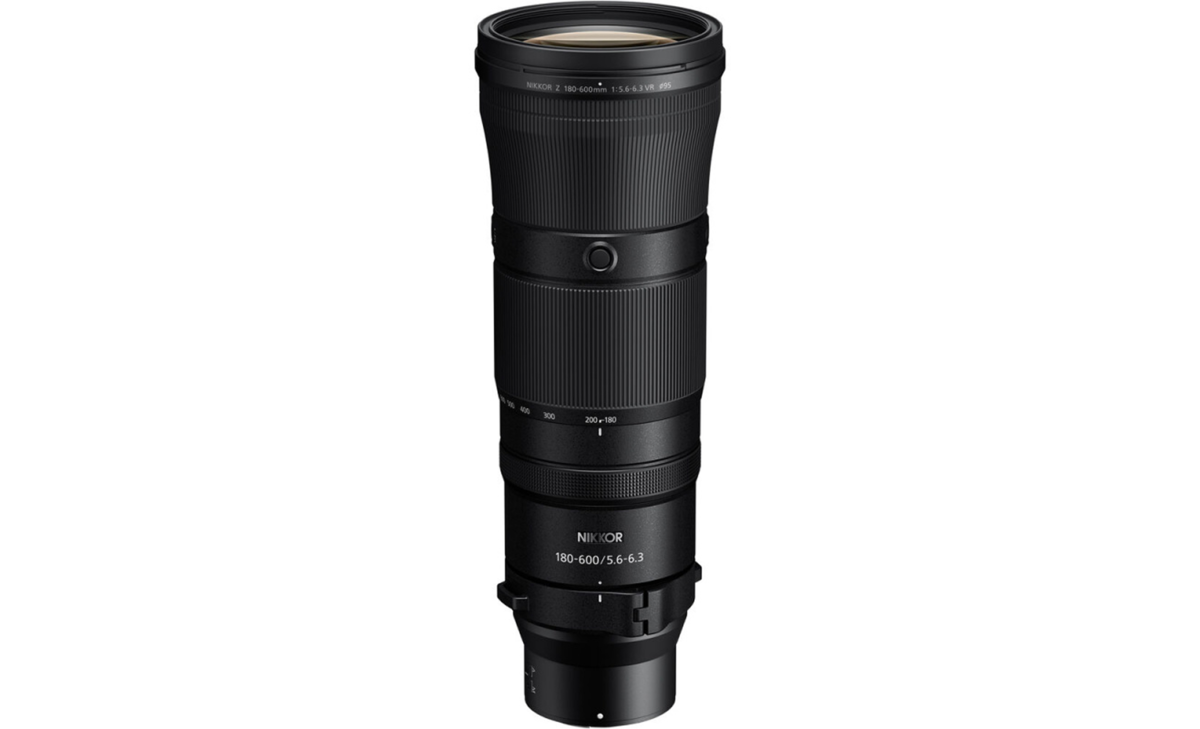
- Affordable Optics for Wildlife Photography: Models with long focal lengths, such as the Z 180-600 mm f/5.6-6.3 VR, provide wildlife photographers with true telephoto magnification.
- Smart Budget Allocation: Investing in a combination of one zoom lens and one prime lens typically covers a wider range of real-world use cases than spending your entire budget on a single premium lens.
Overview of Top Nikon Z Lenses in 2026

The Z 24-70mm f/2.8 S remains the all-around workhorse in the Nikon Z lens lineup. Its second-generation model is lighter and features faster autofocus, while maintaining the same sharpness. For photographers on a budget, the Z 24-50mm f/4-6.3 is also available, offering a compact and affordable solution for everyday shooting.
| Shooting style | Strong starting pick | Why it fits |
| Everyday and travel | Z 24-200mm f/4-6.3 VR | One lens covers wide to telephoto |
| Portraits | Z 85mm f/1.8 S | Fast aperture with reliable autofocus at a moderate price |
| Wildlife | Z 180-600mm f/5.6-6.3 VR | Real telephoto reach without a flagship price tag |
| Picturesque nature | Z 14-30mm f/4 | Wide coverage in a lighter body for long hikes |
Most photographers can already put together a powerful setup using the models currently available on the market. First and foremost, this includes lenses, complemented by powerful photo-editing software for fast and professional results.
Exclusive Tools of Endless Possibilities in One Editor
Lenses Ideal for Everyday and Professional Use
For more complex photo shoots, such as weddings or travel, bring the Z 24-70mm f/2.8 S II and the older Z 24-120mm f/4 S so you don’t have to keep switching lenses.
Photographers who don’t need the f/2.8 maximum aperture use the Z 24-200mm f/4-6.3 VR, since this single lens covers everything from group shots to distant details while traveling.
Prime Lenses with Exceptional Image Quality
The Nikon Z Prime lenses produce high-quality images and are much more consistent than almost any zoom one in the catalog. The Z 50mm f/1.8 lens delivers sharper images than the older Nikon 50mm f/1.4G for the F-mount, as well as near-silent autofocus, which is ideal for video shooting.
The 35mm focal length provides a working distance that naturally includes both your subject and their surroundings in the frame. Combined with an f/1.8 aperture to softly blur distractions, it handles the daily demands of street reportage and travel shoots. Meanwhile, the Z 85mm f/1.2 S features a wider aperture that lets in more light and reduces the depth of field.
Photographers who use these lenses at their widest apertures often notice more minor imperfections in the resulting RAW files. To avoid fixing this by hand, they usually turn to modern software like Luminar Neo, which replaced Luminar AI after Skylum discontinued the older version in October 2022. These can handle details and skin retouching, the need for which becomes most apparent at f/1.2.
Elevate Your Photography with Our Advanced Software
Zoom Lenses for Versatile Photography Needs
Your choice of the best zoom lens for Nikon depends largely on your priorities, whether it’s maximum aperture or size. The Z 24-70mm f/2.8 S II and Z 70-200mm f/2.8 VR S models let in four times more light than lenses with an f/5.6 aperture, allowing you to keep the ISO low even in dimly lit rooms.
- Zoom lenses with a constant aperture (f/2.8 or f/4 at all focal lengths) are more expensive but provide predictable exposure throughout the entire zoom range.
- Variable-aperture zooms, such as the 24-200mm f/4-6.3, sacrifice low-light performance in exchange for a lighter and more affordable design.
- Internal-zoom designs maintain a constant length when zooming, which is useful both for mounting video equipment and for better protection against the elements.
Wide zooms in particular tend to show some distortion and vignetting at their fullest settings, and lens correction software automatically corrects these issues once profiles are matched to the exact lens used.
Best Choices for Wildlife and Nature Shots
Long-focus lenses covers from budget zoom lenses to flagship prime one.
- Z 180-600mm f/5.6-6.3 VR. Provides wildlife photographers with true magnification at a fraction of the cost of Nikon’s professional super-telephoto lenses.
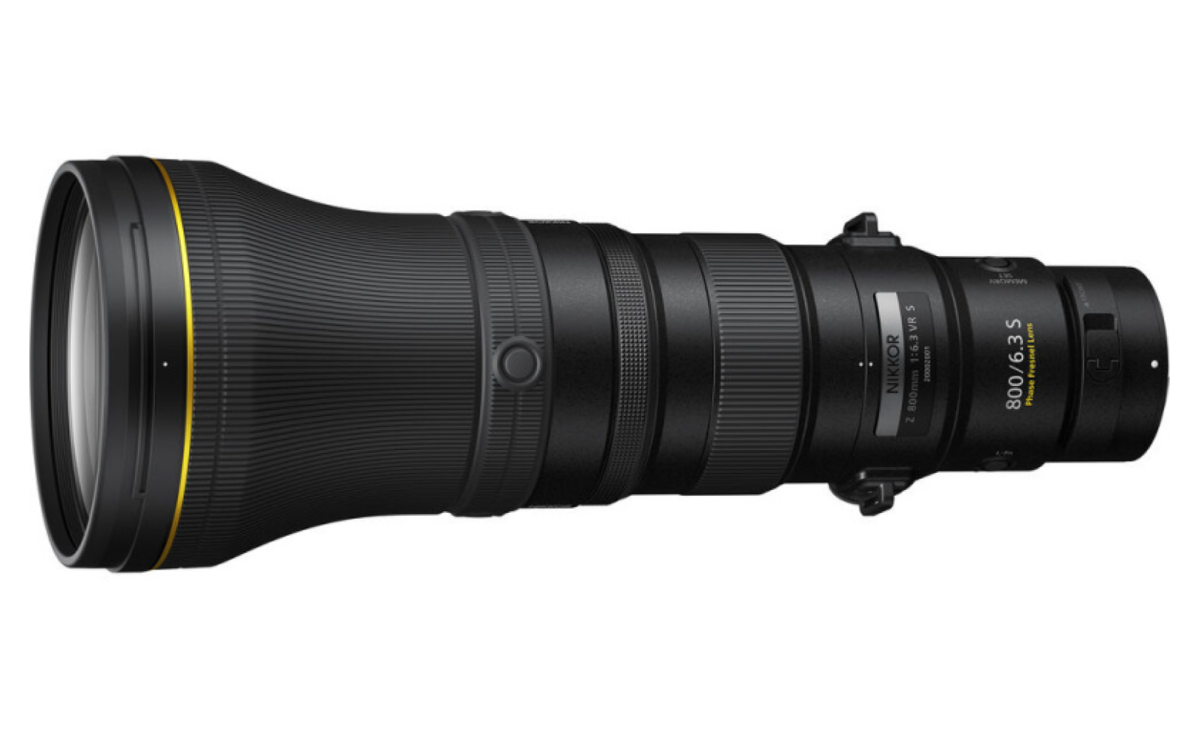
- Z 800mm f/6.3 VR S. A solution for photographers willing to invest more. It’s surprisingly lightweight for its focal length and has become an absolute favorite among bird photographers who have to carry their gear on foot for long periods.
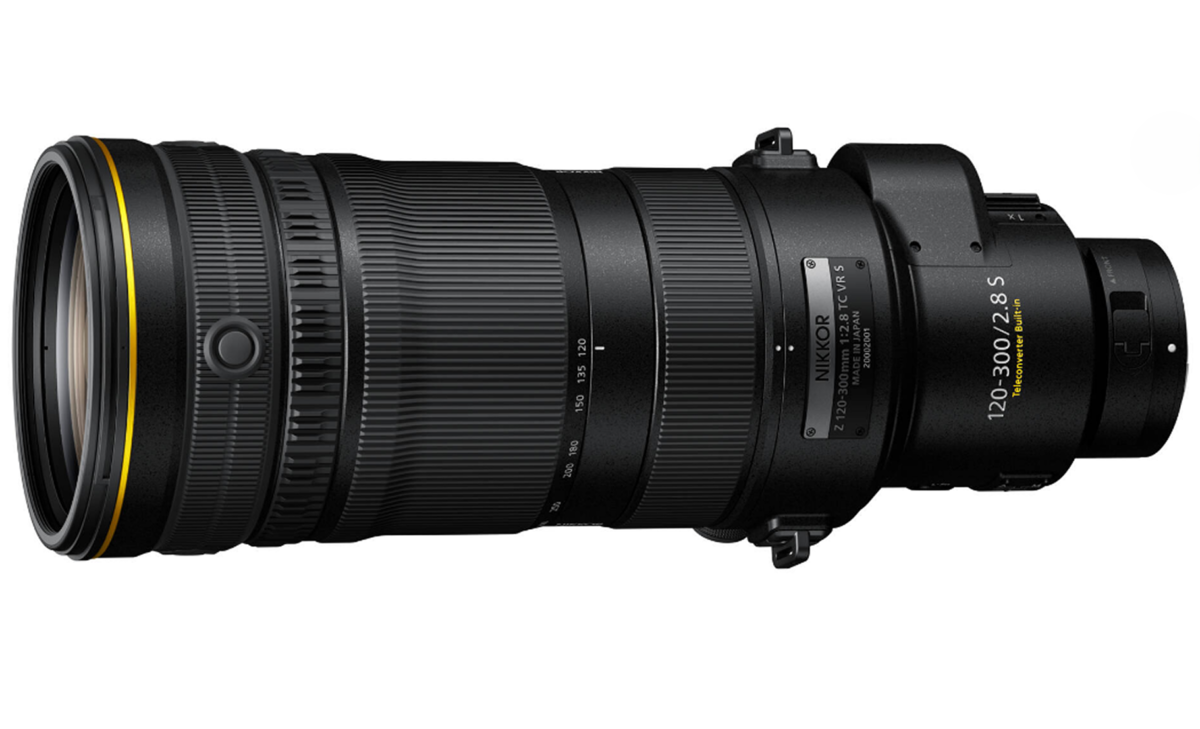
- Z 120-300mm f/2.8 TC VR S (development announced). Expected in the second half of 2026 with a built-in 1.4x teleconverter. A fast and versatile zoom that covers the needs of sports and wildlife photography without the need to switch to a fixed telephoto lens.


Wildlife shots taken at long focal lengths often exhibit noticeable noise due to high ISO settings or the use of teleconverters. In such cases, spot noise and photo correction restore much more useful detail than standard, blanket sharpening.
Portrait Lenses to Capture Stunning Details
While these two lenses might seem similar at first glance, the steep price gap comes down to physics. The f/1.2 requires a much more complex optical design and larger glass elements to gather that extra light. However, the f/1.8 S delivers fast, reliable autofocus and high sharpness even wide open, easily handling headshots and indoor portraits.
The shorter focal length of the Z 50mm f/1.8 S is better suited for small rooms or events. The MC 105mm f/2.8 S is both a macro lens and an option for long-focus portraits with a compressed, flat background, making it equally well-suited for shooting beauty close-ups and fine details.
Your AI-Powered Photo Editor for MacOS and Windows
Landscape Lenses for Wide and Crisp Views
The Z 14-24mm f/2.8 S delivers the sharpest edge-to-edge performance in Nikon’s wide-angle lineup.

Both lenses maintain excellent sharpness when the aperture is stopped down to f/8 or f/11—the settings at which most nature shoots are typically taken. Therefore, the choice between them often comes down to differences in weight and budget rather than purely optical characteristics.
5 tips for Choosing the Right Nikon Z Lens

Choosing Nikon Z mount lenses comes down to selecting the focal length and aperture that best suit the types of shots you take most often.
- Start with a single lens that’s best suited for your main subjects. Then expand your collection based on what you find lacking in that lens.
- Consider the aperture and weight. An f/2.8 zoom lens lets in more light, yet is heavier and larger than an f/4 alternative covering the same range.
- Before buying, check whether the lens is designed for the DX or FX format. Using a DX lens on a full-frame (FX) camera will result in a crop factor and a reduction in the overall resolution of the image.
- For wildlife and sports photography, prioritize autofocus speed and maximum magnification over maximum aperture, since most of these shots at long focal lengths are taken outdoors in good lighting conditions anyway.
- Allocate your budget to buying two lenses. A “prime + zoom” combination typically covers a much wider range of real-world shooting situations.
Build a collection of lenses that suits your needs. Avoid buying expensive gear that will just sit unused in your backpack.