
Photography trends come and go, but some styles and techniques remain useful long after their moment in the spotlight has passed.
While certain visual effects quickly become dated, approaches such as long exposure, macro, black-and-white, and panoramic photography continue to offer photographers creative ways to work with light, motion, composition, and perspective.
Some of the techniques below are photography genres, while others are shooting or editing methods. What they have in common is that they can help you develop practical skills and discover the type of photography you enjoy most.
Don’t feel like reading the whole breakdown? We’ve pulled together a quick summary below.
Key Takeaways
- Long exposure photography uses slow shutter speeds to capture movement as smooth trails or streaks.
- HDR photography combines multiple exposures to preserve detail across a wide range of tones.
- Macro photography reveals small subjects and details that are difficult to see with the naked eye.
- Black-and-white photography emphasizes light, contrast, texture, shape, and composition.
- Time-lapse photography compresses a long period of change into a short video sequence.
- High-speed photography freezes extremely fast movement in a single frame.
- Panoramic photography combines multiple images to create a wider field of view.
- Light painting uses long exposures and moving light sources to create patterns or illuminate a scene.
1. Long Exposure Photography
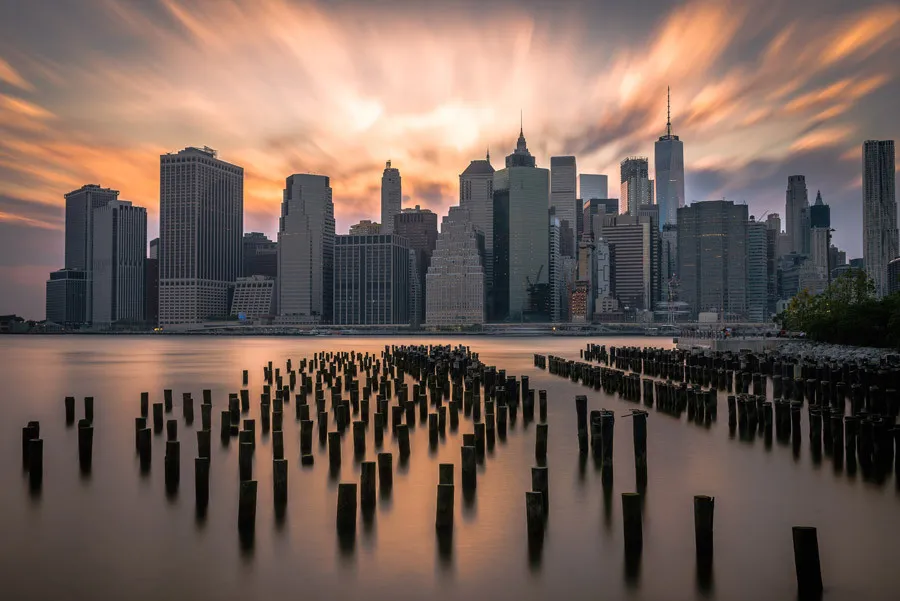
Long exposure photography uses a slow shutter speed to record movement over a longer period of time. Instead of freezing one instant, the camera captures what happens throughout the exposure.
This technique works particularly well with moving water, clouds, traffic, and other subjects that create recognizable trails. A tripod is usually essential because even slight camera movement can make stationary parts of the image blurry.
For very long exposures, photographers may also use a neutral density filter to reduce the amount of light entering the lens. In particularly dark conditions, Bulb mode can allow exposures longer than the camera’s standard shutter-speed range.
When editing a long exposure, pay attention to contrast and detail. Extended exposures can sometimes produce images that look flat, so carefully adjusting tones can help restore depth without making the photograph look overly processed.
Luminar can be useful at this stage for refining exposure, contrast, color, and detail after the photograph has been captured.
When to try long exposure photography:
- Waterfalls, rivers, and coastlines
- Nighttime city scenes
- Moving clouds
- Traffic and light trails
- Creative architectural photography
Exclusive Tools of Endless Possibilities in One Editor
2. HDR Photography
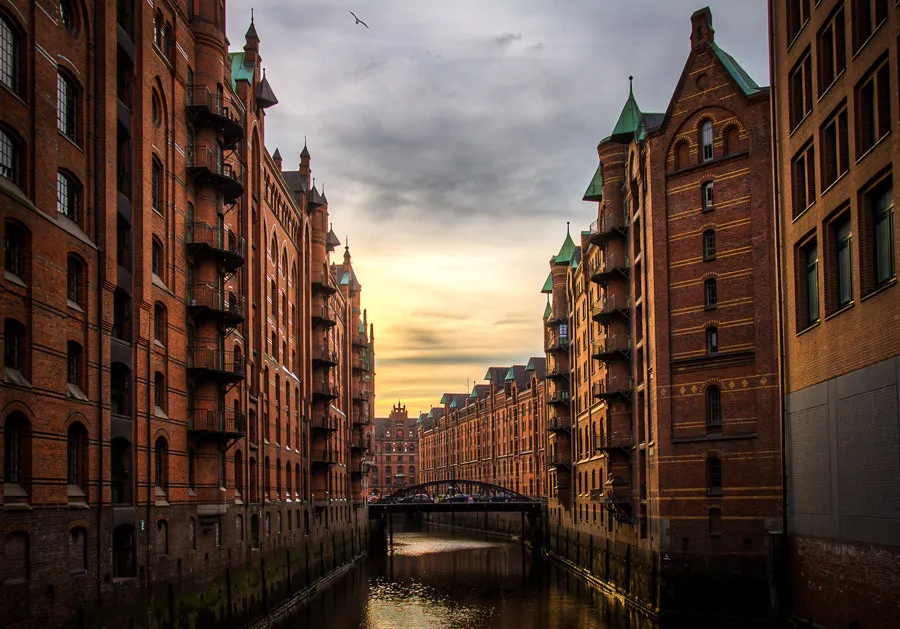
High Dynamic Range, or HDR, is a technique that combines multiple exposures of the same scene. The goal is to preserve useful detail in areas that are significantly darker or brighter than the rest of the image.
A typical HDR sequence consists of several photographs taken at different exposure levels. The images are then merged into one photograph and adjusted during post-processing.
HDR is particularly useful for landscapes, interiors, and other high-contrast scenes. It is not necessary for every photograph, though. Scenes with significant movement can create ghosting or alignment problems when multiple exposures are combined.
The most effective HDR images do not necessarily look heavily processed. A natural HDR result can preserve the original contrast and atmosphere of a scene while recovering detail from difficult highlights and shadows.
Luminar includes HDR Merge, which allows you to combine multiple exposures into a single image and continue editing it afterward.
HDR Photography: Pros and Cons
| Pros | Cons |
| Helps preserve detail across a wide tonal range | Moving subjects can create ghosting |
| Useful for high-contrast landscapes and interiors | Requires multiple exposures and additional processing |
| Can produce natural or stylized results | Excessive processing can make images look unnatural |
3. Macro Photography
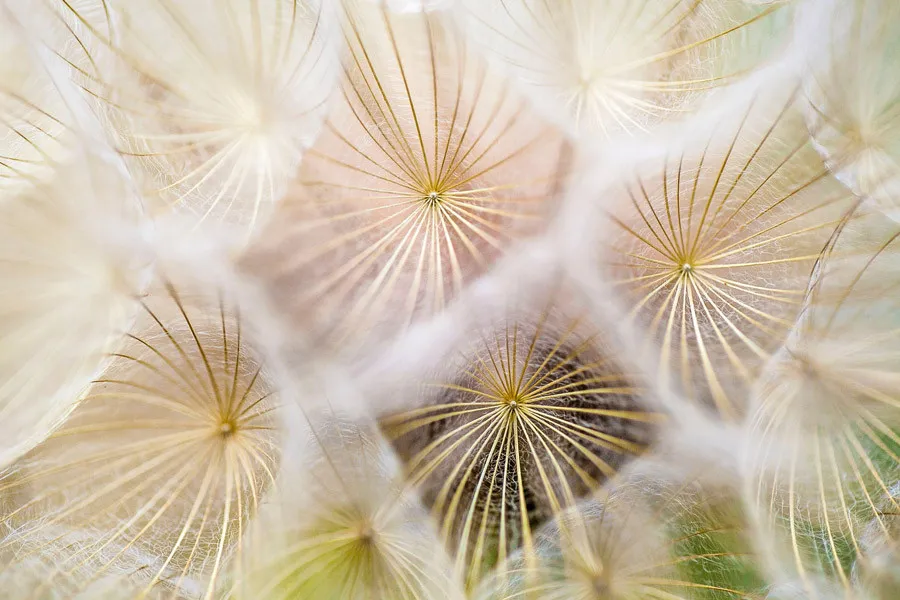
Macro photography brings small subjects into close view, revealing textures and details that are easy to overlook. It remains an evergreen photography style because almost any environment can provide potential subjects, from insects and flowers to everyday objects and natural textures.
A dedicated macro lens can make it easier to achieve high magnification, but you can also explore close-up photography with other lenses and accessories.
At high magnification, depth of field can become extremely shallow. Even a small change in camera position may move part of the subject outside the area of acceptable focus. For stationary subjects, focus stacking can help: you capture several images at different focus distances and combine them into one photograph with greater depth of field.
Good subjects for macro photography include:
- Flowers and plants
- Insects
- Textures and natural patterns
- Jewelry and small objects
- Food and product details
4. Black-and-White Photography
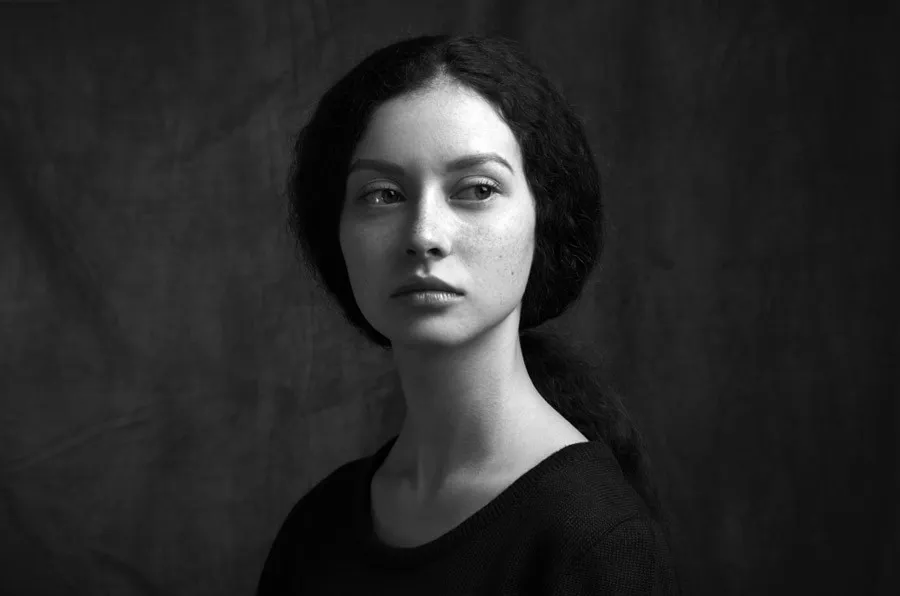
Black-and-white photography removes color from the image and puts greater emphasis on light, shadow, contrast, shape, texture, and composition. That is one reason it has remained relevant despite changing photography trends.
A monochrome treatment can be particularly effective when color does not contribute much to the image or when different colors distract from the main subject. Portraits, architecture, street photography, landscapes, and documentary images can all work well in black and white.
Simply removing saturation, however, does not automatically create a strong black-and-white photograph. When shooting, look for interesting tonal relationships, strong shapes, directional light, and textures.
You can refine a monochrome image in Luminar by adjusting contrast and brightness and controlling how different colors translate into grayscale.
Elevate Your Photography with Our Advanced Software
5. Time-Lapse Photography
Time-lapse photography captures a sequence of images at set intervals and combines them into a video sequence. The result compresses a long period of change into a much shorter amount of time.
This technique can reveal movement that is difficult to appreciate in real time. Clouds crossing a landscape, changing light over a city, traffic, or a flower opening can all make interesting time-lapse subjects.
A stable tripod is essential because the camera needs to remain in the same position throughout the sequence. Consistent exposure and focus are also important for creating smooth results.
Before you begin, consider how long the event will last, how frequently you need to capture a frame, and how many frames you need for the final video.
For example, a slowly changing scene may require a longer interval between photographs, while faster-moving subjects may benefit from shorter intervals.

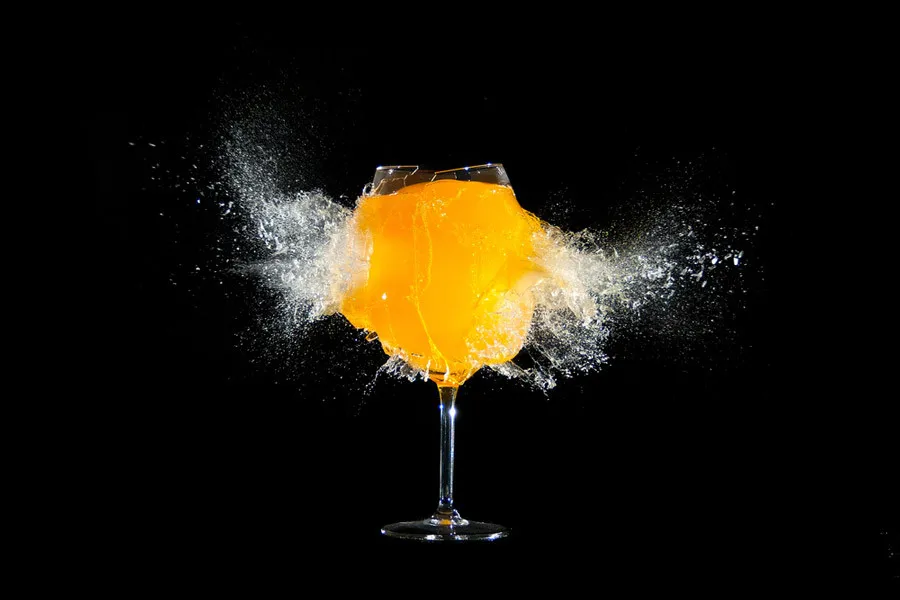
6. High-Speed Photography
High-speed photography freezes moments that happen too quickly for the human eye to observe clearly. A falling water droplet, a bursting balloon, or an object breaking apart can become a detailed still image when captured at precisely the right moment.
The technique requires more than simply selecting a fast shutter speed. Lighting, flash duration, focus, timing, and synchronization can all affect the result.
Flash can be particularly useful because a short flash duration can help freeze motion. Depending on the subject and setup, photographers may also use multiple speedlights, triggers, or specialized equipment.
If you’re new to high-speed photography, start with something predictable, such as a water droplet. Keep the camera stable and experiment with timing and lighting until you find a combination that works.
High-Speed Photography: Pros and Cons
| Pros | Cons |
| Reveals details that are difficult to see in real time | Requires precise timing and setup |
| Opens up many creative possibilities | Lighting and synchronization can be challenging |
| Can be practiced with relatively simple subjects | Successful results may require many attempts |
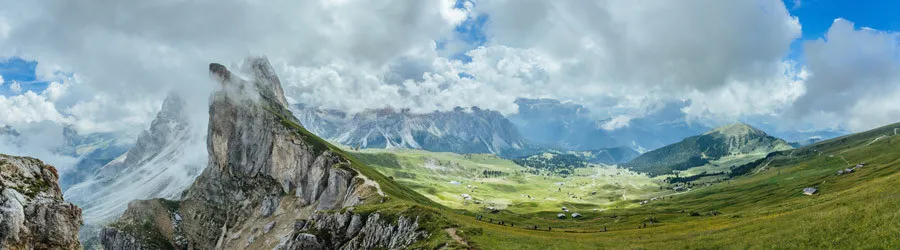
7. Panoramic Photography
Panoramic photography creates a wider field of view by combining multiple photographs into a single image. It is particularly useful when a single frame cannot capture the full scale of a landscape, cityscape, or architectural interior.
When shooting a panorama, keep the camera level and overlap adjacent frames so the software has enough information to stitch them together. Maintaining consistent exposure and focus across the sequence can also make the final image easier to process.
Modern software makes panorama stitching much simpler than it once was. Luminar’s Panorama Stitching tool can combine multiple photographs into a panoramic image and also supports HDR panorama workflows.
After stitching, inspect the edges of the final image carefully. Panoramas can sometimes contain uneven borders, perspective distortions, or other artifacts that need to be cropped or corrected.
Tips for better panoramic photography:
- Use a stable shooting position.
- Keep exposure and white balance consistent across frames.
- Overlap adjacent images sufficiently.
- Avoid moving subjects when possible.
- Check the final image for stitching artifacts before cropping.
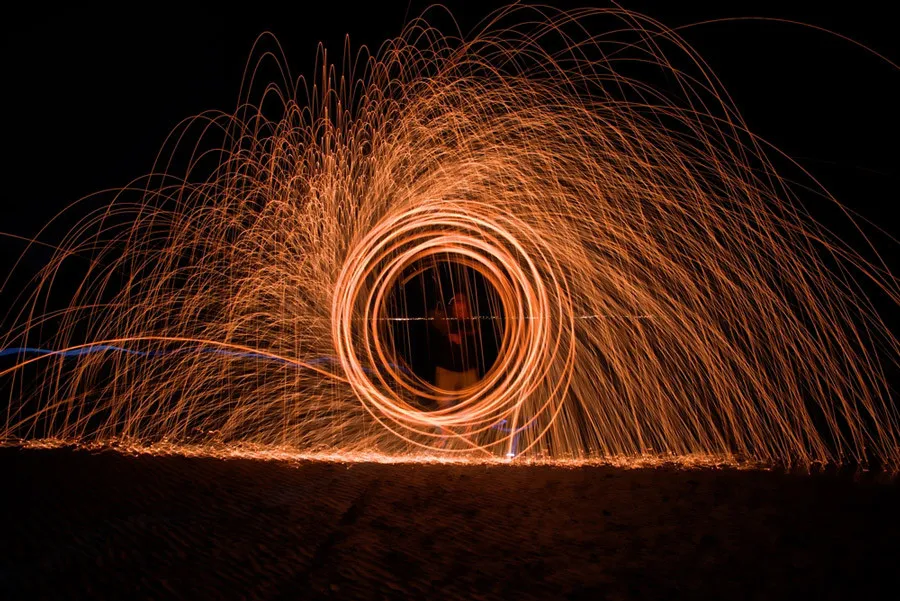
8. Light Painting
Light painting is a creative long-exposure technique in which a moving light source is used to create visible lines, shapes, or illuminated areas within a photograph.
The basic setup is simple: a camera, tripod, dark environment, and handheld light source are enough to get started. During a long exposure, you move the light through the frame. Because the shutter remains open, the movement appears as a continuous trail.
You can experiment with flashlights, LED lights, colored light sources, or other small lights. The camera should remain completely still, while manual exposure and focus can make the process easier to control.
Light painting is especially appealing to photographers who enjoy experimentation because the final image depends heavily on movement, timing, and composition.
Your AI-Powered Photo Editor for MacOS and Windows
How to Choose a Photography Style to Learn First
You don’t need to master every technique at once. The best place to start depends on the type of photography you enjoy and the skills you want to develop.
| Photography style or technique | Best for learning |
| Long exposure | Shutter speed, stability, and motion |
| HDR | Exposure and dynamic range |
| Macro | Focus, depth of field, and detail |
| Black and white | Composition, contrast, and light |
| Time-lapse | Planning, intervals, and sequencing |
| High-speed | Timing, flash, and motion freezing |
| Panorama | Composition, consistency, and stitching |
| Light painting | Long exposure and creative lighting |
If you want to understand how shutter speed affects an image, long exposure and high-speed photography are particularly useful. If composition is your priority, black-and-white photography can teach you to pay closer attention to shape, contrast, and visual balance.
For experimentation, macro and light painting provide plenty of opportunities to create unusual images without relying on complicated locations or elaborate setups.
Conclusion
The most worthwhile photography styles aren’t necessarily the ones that happen to be trending. Techniques such as long exposure, macro, black and white, HDR, panoramas, time-lapse, high-speed photography, and light painting remain useful because they teach practical skills and encourage you to look at familiar subjects differently.
Choose one technique that matches your interests, practice it consistently, and pay attention to what it teaches you about light, motion, focus, and composition. Over time, those skills can become part of a visual style that is genuinely your own.
Frequently Asked Questions
There is no single photography style that is universally the most popular. Portrait, landscape, street, wildlife, documentary, macro, and other approaches remain widely practiced, while techniques such as long exposure and HDR can be used across several genres.
Black-and-white photography is a relatively accessible place to start because you can practice with everyday subjects while focusing on composition, light, and contrast. Long exposure is another useful option if you want to learn how shutter speed affects an image.
Yes. HDR remains useful when a scene contains more dynamic range than a single exposure can comfortably capture. It is commonly used for landscapes and interiors, although it is less suitable for scenes with significant movement.
Absolutely. Many techniques work well together. For example, you can create an HDR panorama, use a long exposure in a black-and-white landscape, or combine macro photography with focus stacking.
Yes. Luminar provides tools for editing many of these images, including HDR Merge and Panorama Stitching, along with tools for adjusting exposure, color, contrast, and detail.


