Lifestyle photography turns everyday interactions into stories that feel personal and natural. Learn how to plan a session, guide your subjects, and capture moments without relying on rigid poses.
Lifestyle photography captures people in real-life situations while preserving a polished, visually appealing look. It combines storytelling with gentle direction, natural interaction, and careful attention to light, setting, and detail. Unlike traditional portrait photography, lifestyle images are not built around a fixed pose. The photographer creates the right conditions, gives simple prompts, and captures the moments that follow.
Don’t feel like reading the whole breakdown? We’ve pulled together a quick summary below.
Key Takeaways
- Lifestyle photography portrays people in natural-looking situations and meaningful environments.
- A lifestyle session may be carefully planned even when the final images appear spontaneous.
- Family, children, commercial, and travel photography can all include a lifestyle approach.
- The setting and surrounding details are part of the story, not merely a background.
- Gentle prompts usually create more authentic expressions than rigid poses.
- Natural light works well, but reflectors and flash can provide additional control.
- Lifestyle photos should be edited consistently without making people or environments look artificial.
- Luminar can help refine light, color, skin, and composition while preserving a natural result.
What Is Lifestyle Photography?
Lifestyle photography is a genre that portrays people in everyday situations, real-life events, or meaningful environments. Its purpose is to tell a story about how people live, interact, work, travel, or use a product.
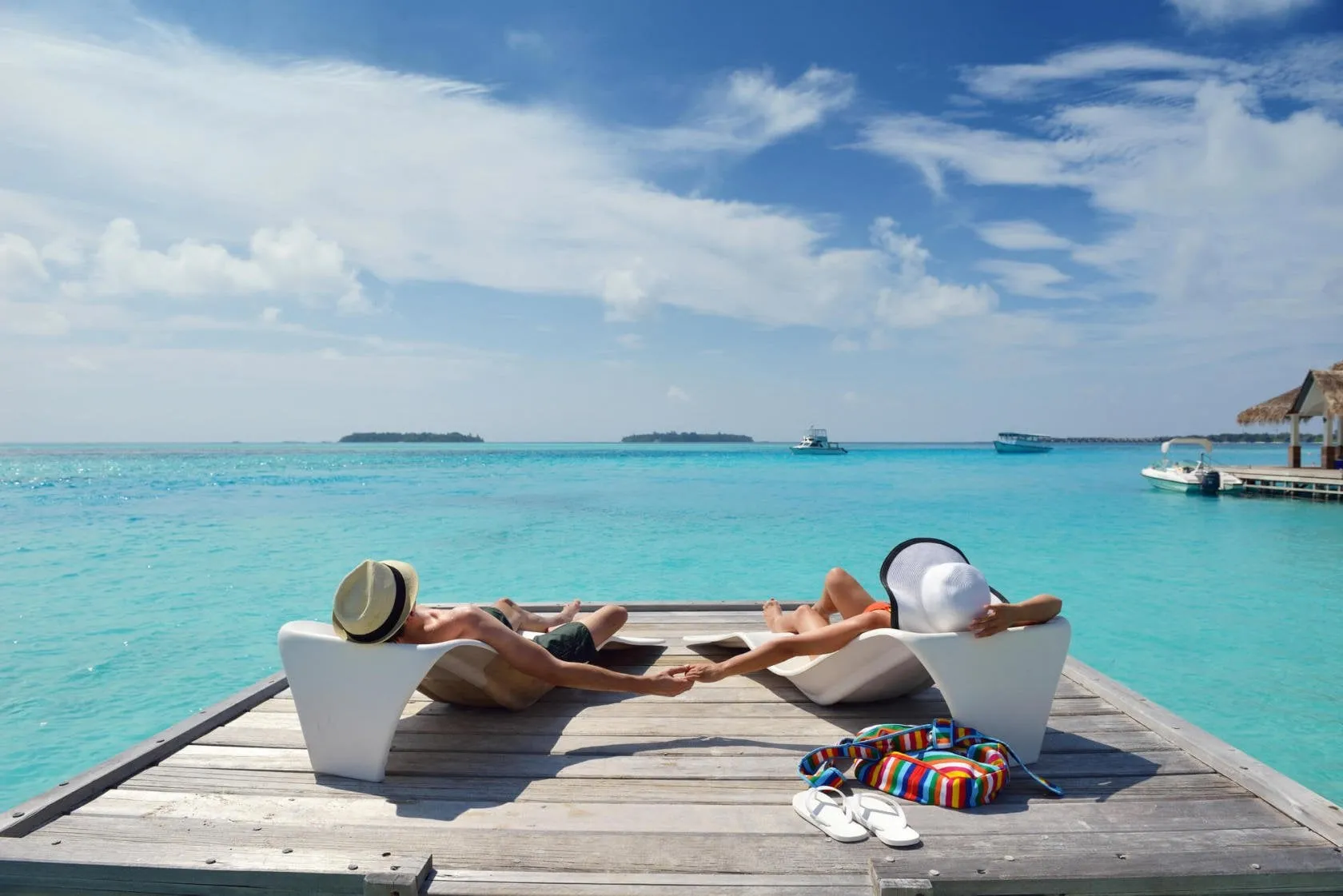
The images often look candid, but that does not mean the photographer has no control. A lifestyle photographer may choose the location, arrange the light, suggest an activity, or position the subjects before photographing their natural reactions.
This balance between preparation and spontaneity distinguishes lifestyle photography from both traditional portraiture and purely documentary photography.
Your AI-Powered Photo Editor for MacOS and Windows
Lifestyle vs Portrait and Documentary Photography
| Genre | Main purpose | Photographer’s involvement | Typical result |
| Lifestyle photography | Tell a believable story about people and their environment | Provides gentle direction and prepares the setting | Natural-looking but polished |
| Traditional portrait photography | Emphasize a person’s appearance or character | Directs the pose, lighting, and composition | Controlled and intentional |
| Documentary photography | Record events as they happen | Avoids influencing the scene whenever possible | Observational and unscripted |
| Commercial lifestyle photography | Show a product or service in a relatable situation | Plans the concept, casting, styling, and actions | Aspirational but believable |
The boundaries between these genres are flexible. A single photoshoot may combine posed portraits, directed lifestyle images, and completely candid moments.
Main Types of Lifestyle Photography
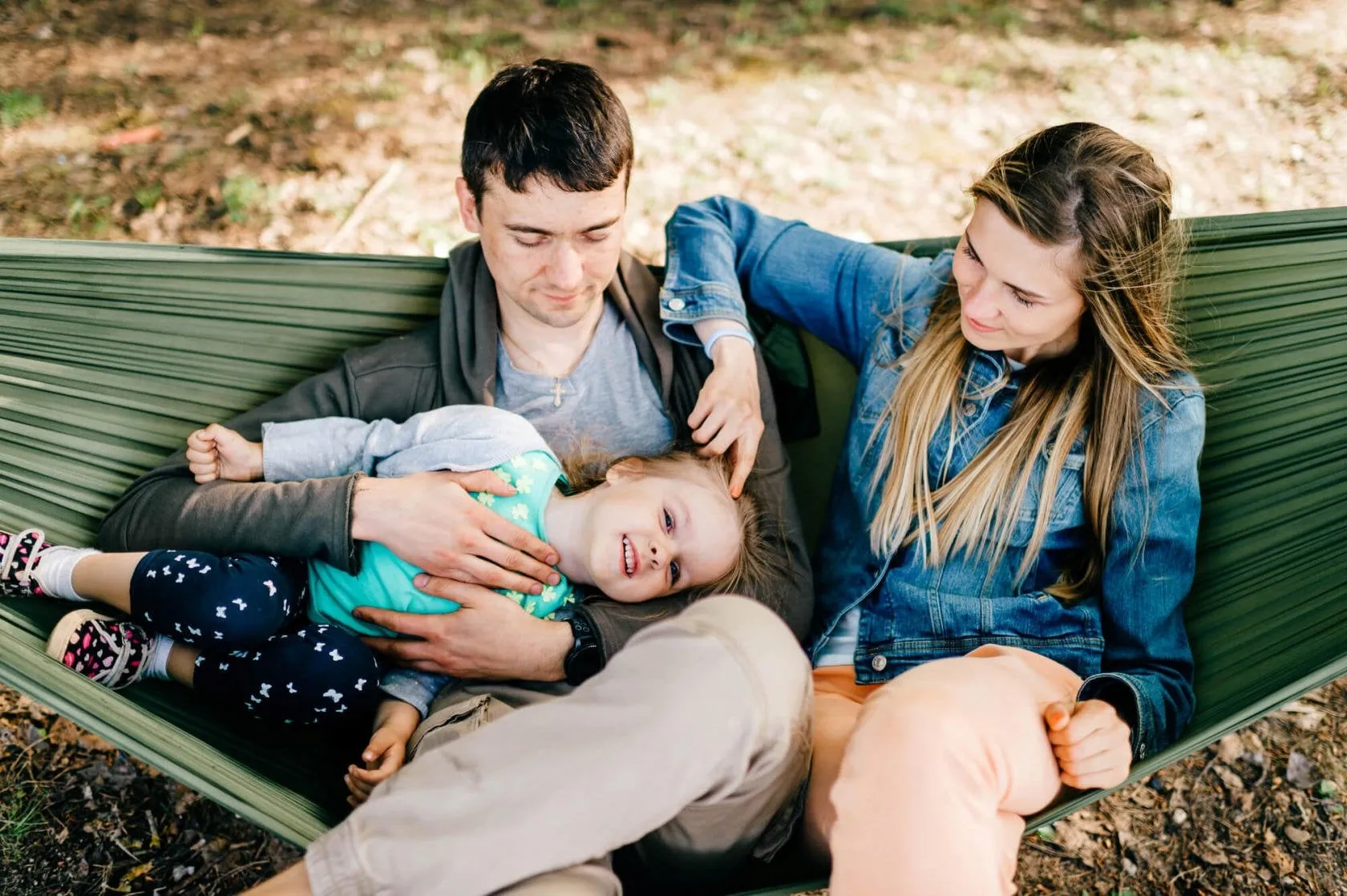
Lifestyle photography can be applied to personal, editorial, and commercial projects. These are some of its most common forms.
Family Lifestyle Photography
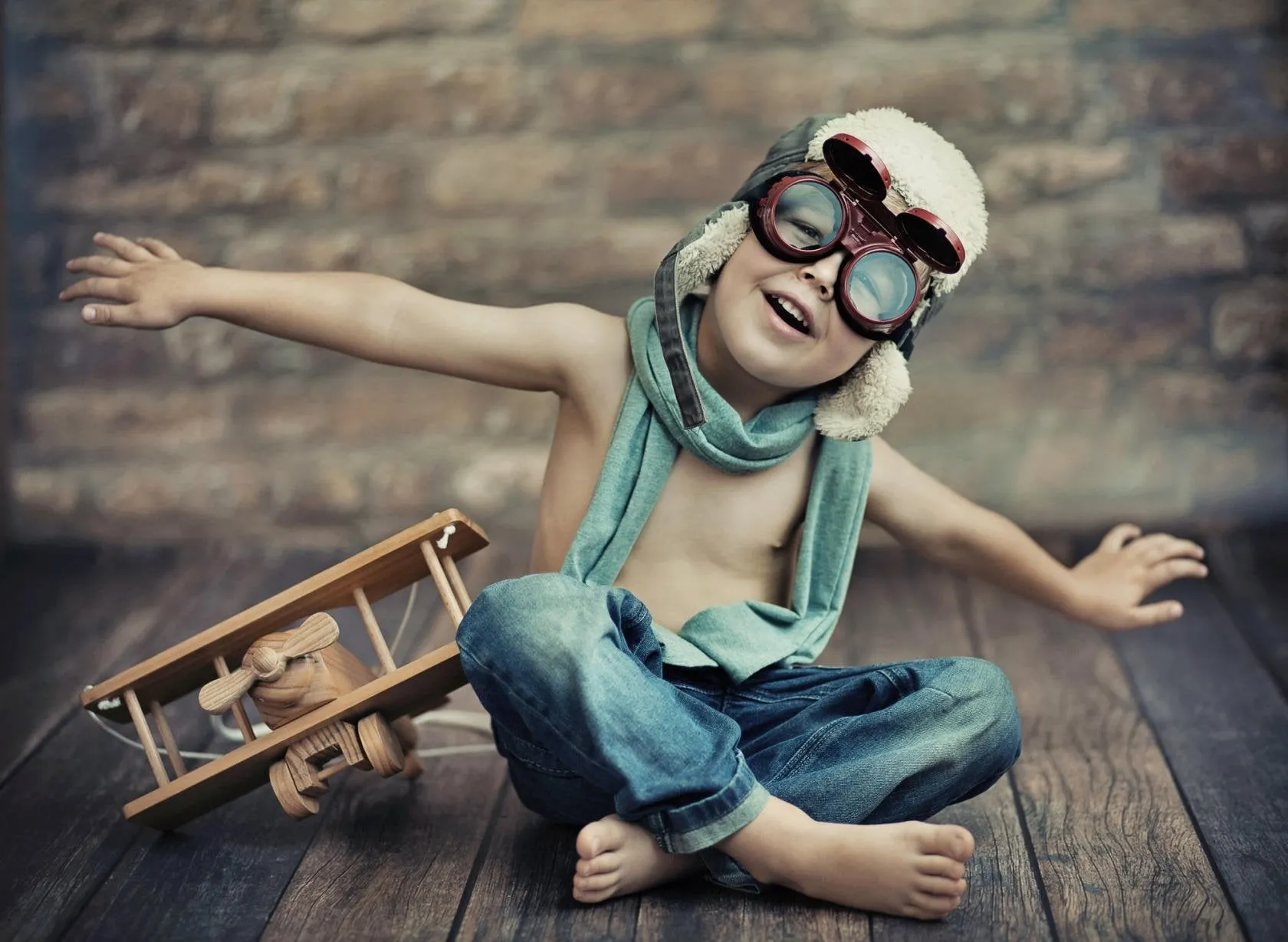
Family lifestyle photography captures relationships through familiar activities and natural interaction. Sessions often take place at home, outdoors, or in another location that has meaning for the family.
Instead of asking everyone to stand still and smile, the photographer might suggest that the family:
- Prepare breakfast together
- Play a game
- Read with the children
- Walk through a favorite park
- Decorate for a celebration
- Spend time in the garden
These activities give people something natural to do and create opportunities for authentic expressions.
A family session can still include a few traditional group portraits. The combination of directed and candid family photos creates a more complete visual story. For more guidance, explore these practical family photography tips.
Children and Newborn Lifestyle Photography
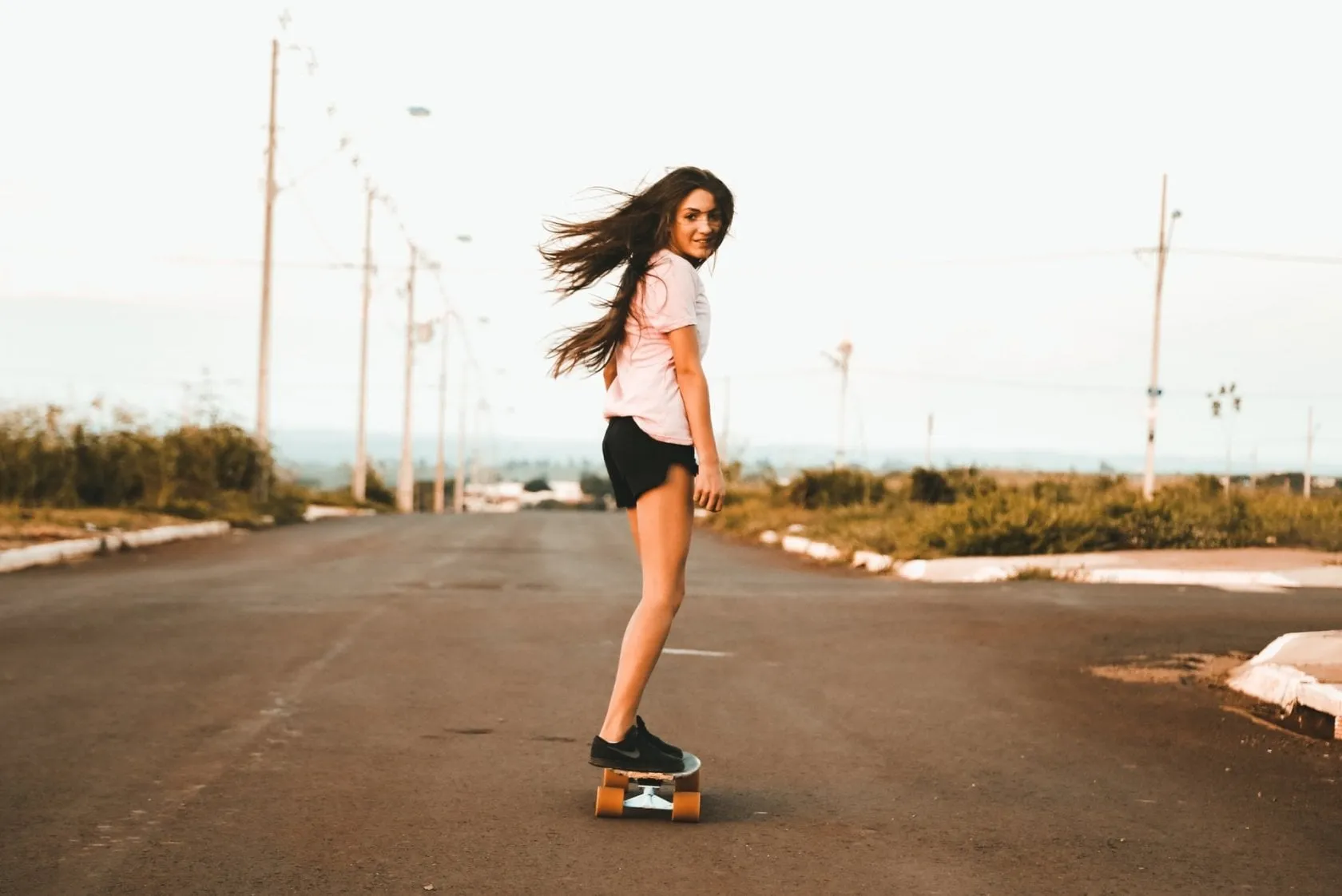
Children’s lifestyle photography focuses on a child’s personality, relationships, and everyday experiences. The session might include playtime, baking, reading, or exploring outdoors.
A child-friendly environment is more important than an elaborate collection of props. Familiar toys and activities can help, but too many accessories may distract from the child.
For newborn lifestyle photography:
- Work around the baby’s feeding and sleeping schedule.
- Keep the room warm and comfortable.
- Use safe, supported positions.
- Avoid placing a baby on unstable surfaces.
- Allow enough time for feeding and calming breaks.
- Include parents, siblings, and details of the home.
Newborn safety should always take priority over a pose or planned photograph.
Commercial Lifestyle Photography
Commercial lifestyle photography shows how a product, service, or brand fits into a person’s life.
The product may not be the largest element in the frame, but its purpose should remain clear. For example, a clothing campaign may show someone walking through a city, while a travel advertisement may focus on the experience of staying at a hotel.
A commercial lifestyle photoshoot usually involves more planning than a family session. The production may include:
- Models or real customers
- A stylist and makeup artist
- A location manager
- Props and wardrobe
- Artificial lighting
- A shot list
- Brand guidelines
Even when the final images look spontaneous, the composition, styling, and actions may be carefully designed. When people remain the main subject, techniques from portrait photography can help balance natural interaction with flattering light and composition.
Travel Lifestyle Photography
Travel lifestyle photography captures people experiencing a destination rather than showing only landscapes or landmarks.
Possible lifestyle photography ideas include:
- Exploring a local market
- Eating at a café
- Walking through a historic district
- Relaxing beside a lake
- Joining an outdoor activity
- Using public transportation
- Interacting with local crafts or traditions
The surroundings should provide context and help communicate a sense of place. Include wide shots to establish the location, medium shots to show activities, and close-ups to capture expressions and details.
When photographing people you do not know, respect local customs and ask permission when appropriate. Avoid presenting communities as props or reinforcing stereotypes simply to make a destination look exotic.
How to Plan a Lifestyle Photoshoot
A lifestyle photoshoot should feel relaxed, but it still requires preparation.
1. Define the Story
Decide what the images should communicate before choosing the location or equipment.
Ask:
- Who are the people in the story?
- What relationship or activity should the viewer notice?
- Where would this moment naturally happen?
- Which details help explain the situation?
- How will the images be used?
A family album may need intimate and personal moments, while a commercial campaign must also communicate a clear brand message.
2. Choose a Suitable Location
The location should support the story without overwhelming the subjects. Look for useful light, enough space for movement, and backgrounds without distracting objects.
A meaningful home can work better than a visually perfect studio because familiar surroundings often help people relax.
3. Prepare a Flexible Shot List
A shot list provides structure without forcing every image to follow a rigid plan.
Include:
- An establishing shot of the location
- Individual portraits
- Group interactions
- Close-ups of hands and expressions
- Environmental details
- Movement and activities
- A strong opening and closing image
Treat the list as a guide. Some of the best lifestyle photos will happen between the planned shots.
Elevate Your Photography with Our Advanced Software
Lifestyle Photography Tips
1. Give Prompts Instead of Rigid Poses
Lifestyle photography poses should encourage interaction rather than freeze people in place.
Instead of saying “Smile at the camera,” try prompts such as:
- Walk together and talk.
- Tell each other a funny story.
- Show your child their favorite book.
- Make coffee as you normally would.
- Look at the person beside you.
- Move closer and take a deep breath.
Photograph the transition after each prompt. Expressions often become more natural once people stop concentrating on the instruction.
2. Build Trust with Your Subjects
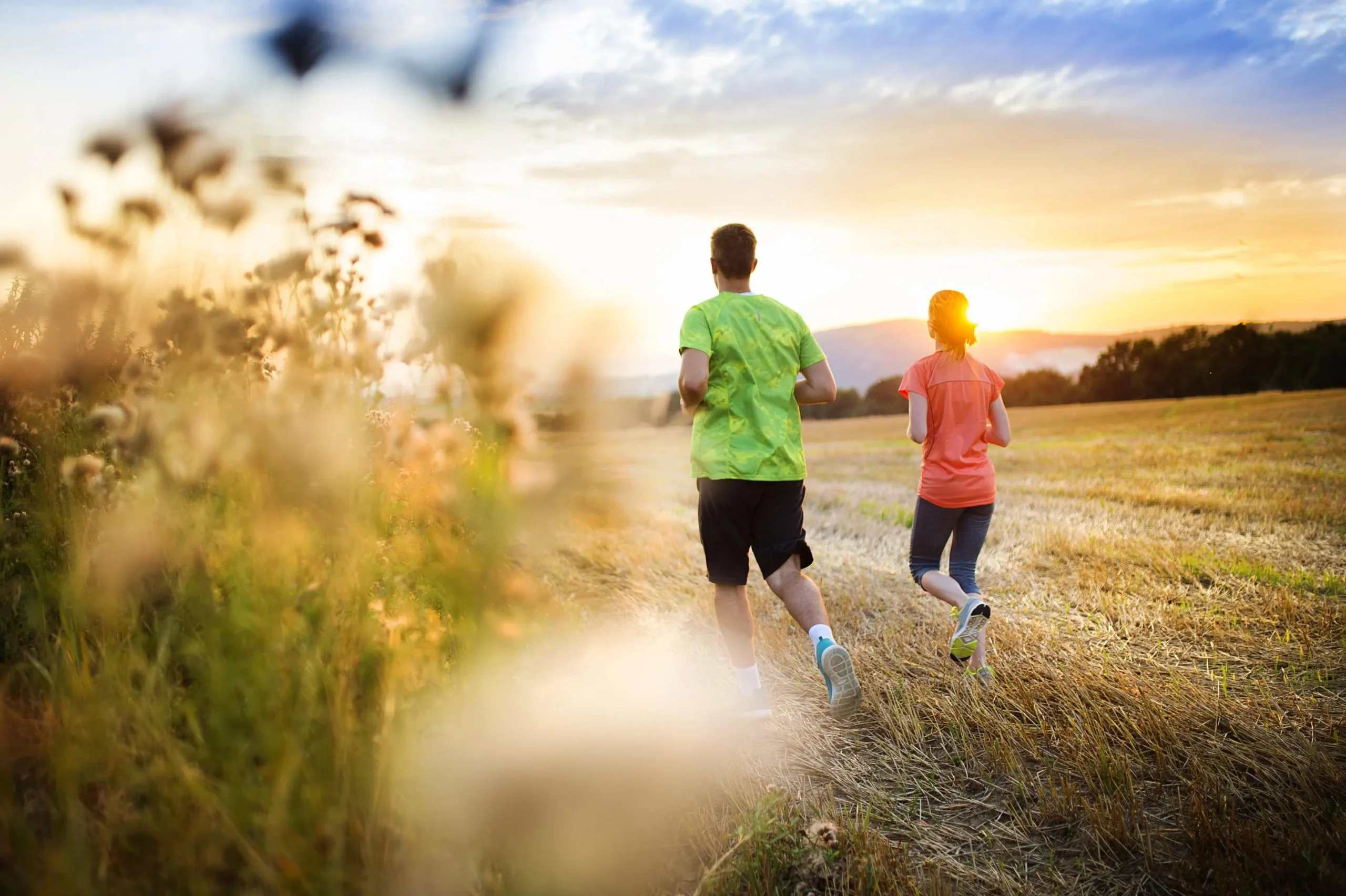
Explain what will happen during the session and check whether anyone has concerns about poses, physical contact, or how the photographs will be used.
Keep giving clear, calm feedback. Avoid touching or repositioning someone without permission, and never assume that a candid style removes the need for consent.
3. Use Natural Light Carefully
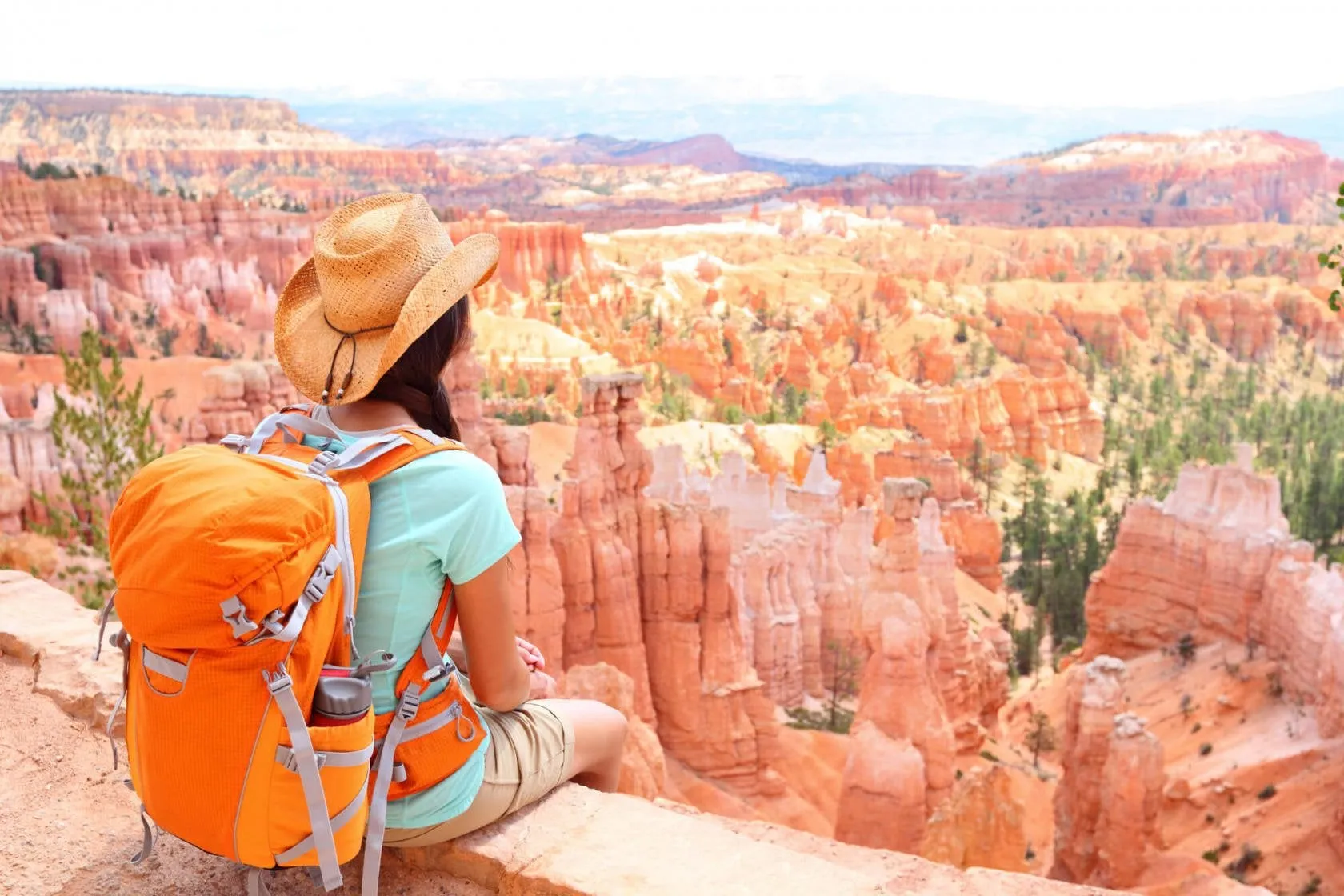
Natural light can make lifestyle photographs feel believable and relaxed, but it is not automatically flattering.
Window light works well indoors because it provides a large, soft source. Outdoors, open shade can produce more even results than direct midday sun. During golden hour, low-angle light adds warmth and dimension; Luminar’s Golden Hour tools can help refine that effect during editing without replacing good lighting at the shoot.
A reflector can brighten shadows, while a bounced or diffused flash can help when the available light is insufficient.
4. Choose Camera Settings for Movement
Lifestyle subjects rarely remain completely still, so prioritize a shutter speed that prevents motion blur.
A practical starting point is:
| Setting | Suggested starting point |
| Shutter speed | 1/250s for gentle movement; 1/500s or faster for active children |
| Aperture | f/2.8–f/4 for one person; f/5.6–f/8 for groups |
| ISO | Raise as needed to maintain the required shutter speed |
| Focus mode | Continuous autofocus with face or eye detection |
| File format | RAW for greater editing flexibility |
These are starting points rather than fixed rules. Adjust them for the light, lens, subject movement, and number of people in the frame.
5. Photograph Details and Context
Lifestyle storytelling depends on more than faces. Photograph the objects, gestures, and spaces that provide context.
These may include:
- Hands preparing food
- A child’s favorite toy
- Clothing and accessories
- Details of the home
- Food on the table
- A packed travel bag
- Signs and architectural features
Combine these details with wider environmental portraits to create a varied and complete photo series.
6. Vary the Perspective
Do not photograph the entire session from one height or distance. Move closer for emotional details, step back to include the environment, and photograph children at their eye level.
Use both horizontal and vertical compositions according to the scene and final format. Changing orientation simply for variety is less important than choosing the frame that best supports the story.
7. Build a Visual Narrative
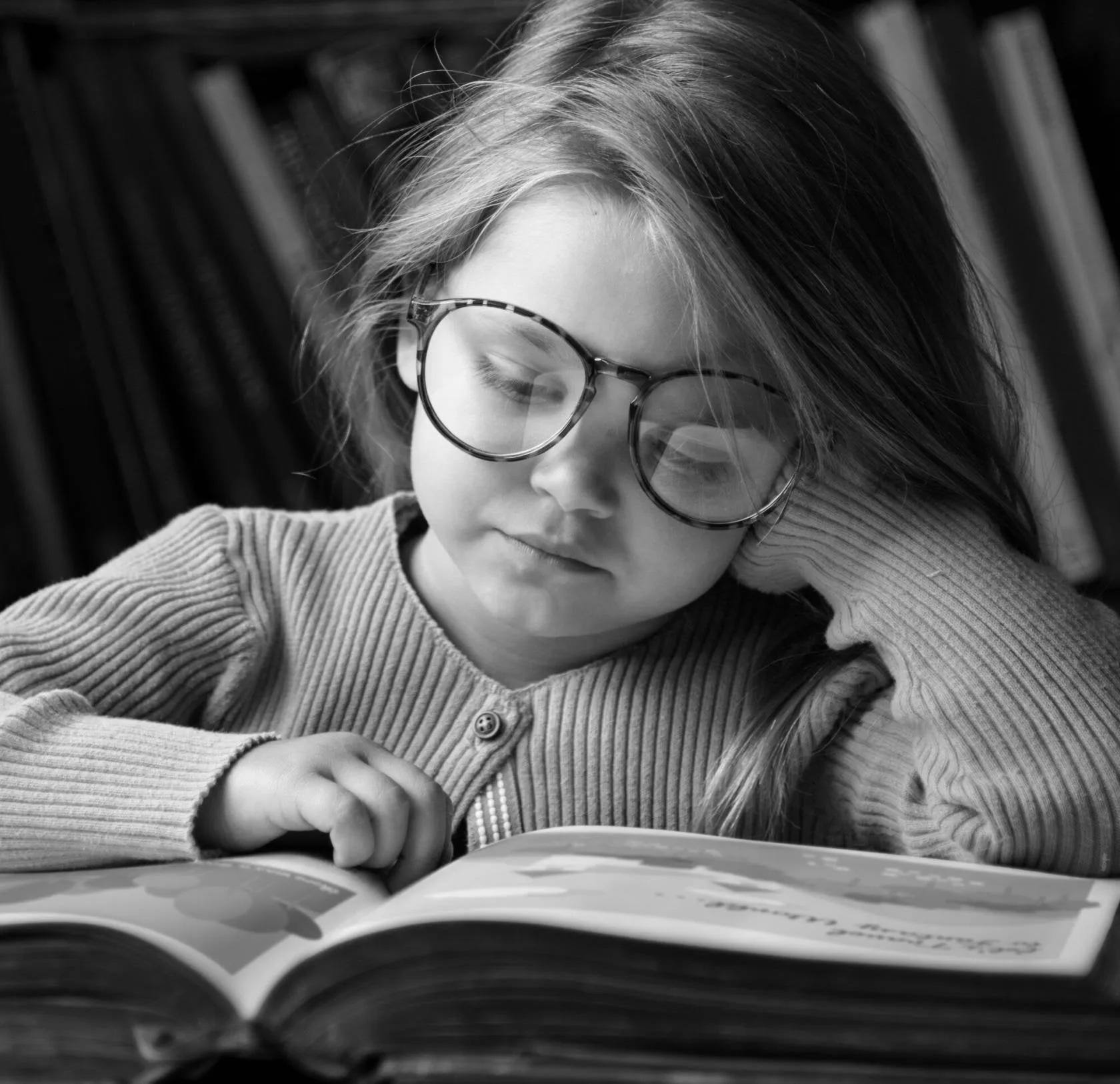
A lifestyle photo series should feel connected rather than like a random collection of attractive images.
A simple narrative can include:
- An establishing image that introduces the setting
- Details that provide context
- People beginning an activity
- Interaction or movement
- A strong emotional moment
- A closing image that completes the sequence
Look for repeated colors, objects, and gestures that connect the photographs. Consistent editing also helps the final gallery feel cohesive.
Exclusive Tools of Endless Possibilities in One Editor
How to Edit Lifestyle Photos in Luminar
Lifestyle photo editing should support the story while keeping people and environments believable.
Begin with basic corrections:
- Adjust exposure and white balance.
- Recover excessive highlights.
- Open shadows carefully.
- Correct the crop and horizon.
- Match color across the series.
- Remove small distractions.
- Apply restrained portrait retouching.

Luminar’s Skin AI can soften minor imperfections while preserving natural texture. Use a light touch: freckles, lines, and other individual features should not automatically be treated as defects.

The Color tool can help balance skin tones, correct color casts, and create a consistent palette across a lifestyle photoshoot.

Creative tools should also match the purpose of the image. Replacing the sky or adding dramatic light effects may be acceptable for clearly styled commercial work, but such changes can undermine the authenticity of documentary-style family and travel photographs.

Final Thoughts
Lifestyle photography combines planning with spontaneity. The photographer chooses the setting, light, and general direction, but leaves enough space for authentic interaction.
Strong lifestyle images do not need to show an idealized or perfect life. They should communicate a believable story through people, relationships, activities, and meaningful details.
Prepare carefully, give simple prompts, observe what happens between planned shots, and edit the final series consistently. This approach will create lifestyle photographs that feel polished without losing their emotional honesty.
Frequently Asked Questions
No. Many lifestyle photographs combine gentle direction with spontaneous reactions. The photographer may arrange the location or suggest an activity while allowing the interaction itself to unfold naturally.
A 35mm lens is useful for environmental portraits and small indoor spaces, while a 50mm lens provides a natural perspective with less background. An 85mm lens works well for tighter portraits but may be difficult to use indoors. A standard zoom offers more flexibility when events move quickly.
Start with continuous autofocus, eye detection, and a shutter speed of at least 1/250s. Use a wider aperture for individual portraits and a narrower aperture for groups. Raise the ISO when necessary rather than accepting motion blur.
Candid photography records an unplanned moment without directing the subject. Lifestyle photography may look candid, but the photographer often chooses the location, light, activity, and general composition.
Correcting exposure, color, crop, and temporary distractions is generally appropriate. Avoid excessive skin smoothing, artificial colors, or major scene changes when the goal is to preserve a believable real-life moment.